2026 Top Trends in Lycra Fabric for Activewear and Fashion?
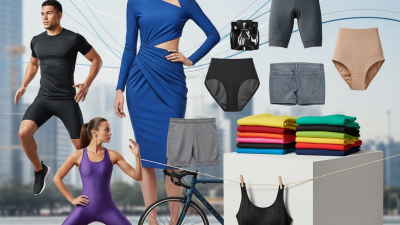
As we approach 2026, the world of fashion and activewear is set to be transformed by innovative uses of Lycra fabric. This unique material is known for its elasticity and comfort, making it a staple in athletic clothing. Yet, emerging trends indicate a shift in how designers and brands are incorporating Lycra into their collections.
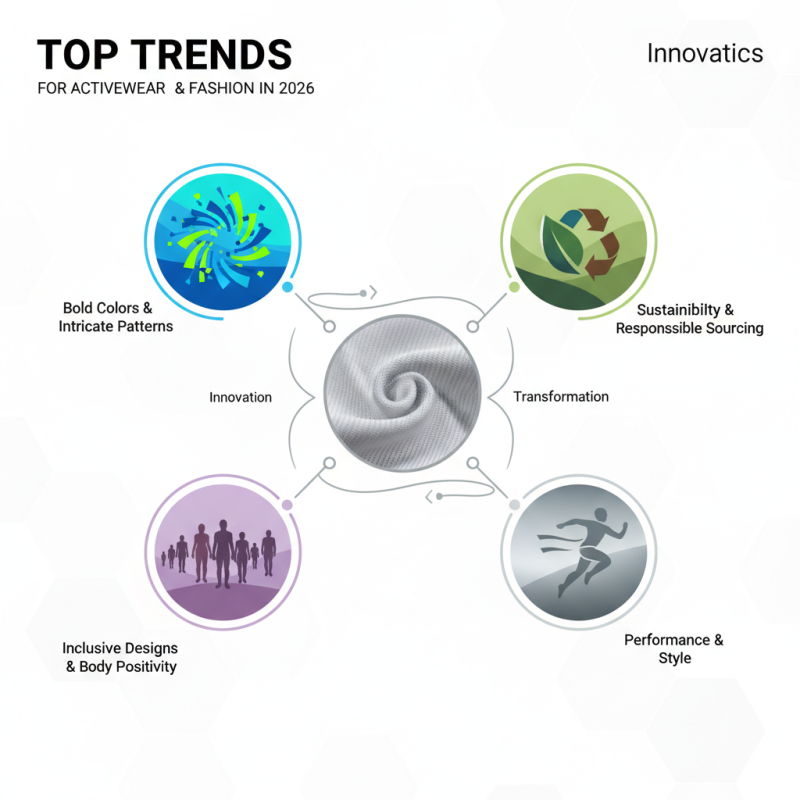
Lycra fabric is not just about functionality; it also enhances style. In 2026, we expect to see bold colors and intricate patterns that reflect individual expression. However, there’s a concern about sustainability in the fashion industry. While Lycra offers durability, its production raises environmental questions that need addressing. The challenge lies in balancing performance and responsible sourcing.
Furthermore, the rise of body-positive movements means Lycra is being used in more inclusive designs. While this trend aims to celebrate diversity, it also presents challenges in sizing and fit. As we explore these top trends, the journey of Lycra fabric is not merely about aesthetics but also about the values it represents in activewear and fashion.
Key Innovations in Lycra Fabric for Activewear in 2026
In 2026, Lycra fabric is set to redefine activewear and fashion trends. Key innovations focus on breathability and moisture-wicking properties. The fabric will feature enhanced stretch technology, allowing for greater freedom of movement during workouts. This makes it ideal for yoga and high-intensity training.
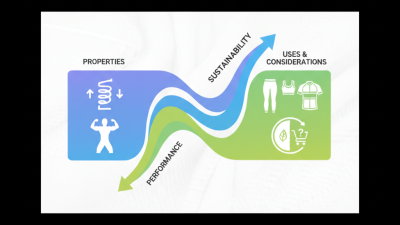
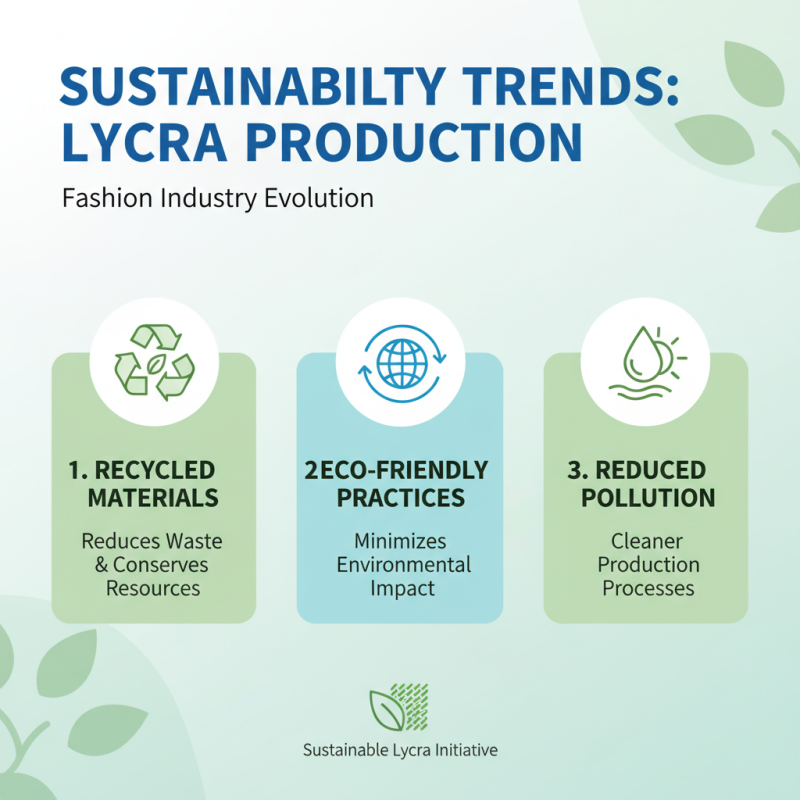
Another important aspect is sustainability. Manufacturers are exploring eco-friendly fibers and recycling methods. This shift aims to reduce the environmental impact of fashion. Even with these advancements, challenges remain. Some users may find that not all eco-friendly options provide the same performance level as traditional Lycra.
Colors and patterns will also take center stage. Expect bold, vibrant designs that stand out. However, trends can often overshadow functionality. It’s crucial to balance style with comfort. As activewear continues to evolve, the focus should remain on what works best for wearers in real-life situations.
2026 Top Trends in Lycra Fabric for Activewear
Technological Advancements in Lycra: Enhancing Performance and Comfort
Lycra fabric has evolved significantly in recent years, driven by technological advancements. These innovations focus on enhancing both performance and comfort, making them essential for activewear and fashion. In fact, the market for Lycra textiles is growing steadily, projected to reach $7.4 billion by 2025, according to industry reports.
The latest developments in Lycra include moisture-wicking properties and increased breathability. These features allow the fabric to keep wearers cool during intense physical activities. Additionally, new weaving techniques create a softer texture, improving the overall wearing experience. However, it’s essential to note that not all Lycra products provide the same benefits. Consumers should always check specifications carefully.
Tip: When choosing Lycra garments, look for options that list performance features clearly.
Another key trend is sustainability. Innovations are now focused on creating eco-friendly Lycra blends. This includes using recycled materials and reducing water consumption in production. Balancing performance and sustainability can be challenging. Some consumers may prioritize comfort over environmental impact, which doesn't always lead to the best choice.
Tip: Consider brands that emphasize both quality and sustainability.
2026 Top Trends in Lycra Fabric for Activewear and Fashion
| Trend |
Description |
Impact on Performance |
Comfort Features |
Sustainability Aspect |
| Moisture-Wicking Technology |
Fabric draws sweat away from the body to keep athletes dry. |
Enhances endurance by reducing overheating. |
Soft touch against the skin promotes longer wear. |
Can be produced with recycled materials. |
| 4-Way Stretch |
Fabric stretches in all directions for maximum mobility. |
Improves range of motion in high-intensity workouts. |
Offers a snug fit without constriction. |
Using eco-friendly production processes. |
| Anti-Odor Technology |
Inhibits the growth of odor-causing bacteria. |
Enhances enjoyment during workouts, keeping clothes fresh. |
Comfortable for extended wear without unpleasant smells. |
Conceived with sustainable chemical treatments. |
| UV Protection |
Fabric provides a barrier against harmful UV rays. |
Enables outdoor activities without sun damage risk. |
Lightweight and breathable for sunny conditions. |
Developed with consideration for skin health. |
| Smart Fabric Integration |
Incorporates sensors to track performance metrics. |
Provides real-time feedback to enhance training. |
Maintains comfort while delivering data insights. |
Supports the move towards smart clothing solutions. |
Fashion Trends: The Integration of Lycra in Everyday Wear
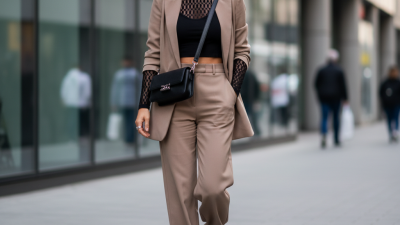
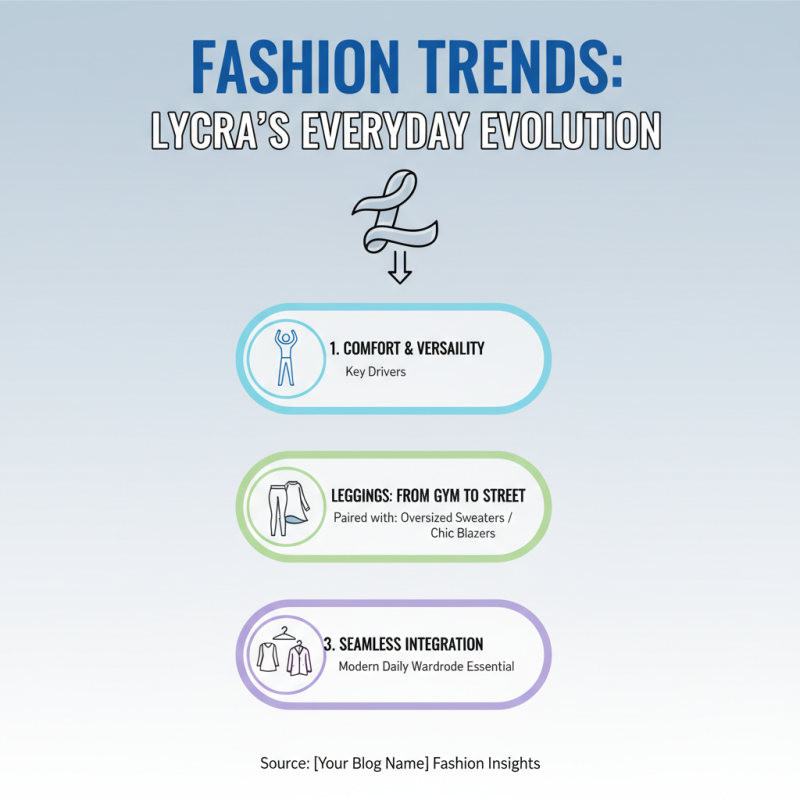
The rise of Lycra in everyday wear reflects a fundamental shift in fashion. More people are seeking comfort and versatility. Leggings, once reserved for workouts, have made their way into casual outings. They're paired with oversized sweaters or chic blazers. The combination is simple yet stylish, showing how Lycra integrates seamlessly into daily wardrobes.
However, this trend isn't without complexity. Many struggle with finding the right fit. Lycra stretches but isn't forgiving for all body types. This can lead to discomfort for some wearers. There's also the concern over sustainability. As demand for Lycra increases, the environmental impact grows. It’s essential to reflect on these challenges even as we embrace this fabric's benefits.
Moreover, the duality of Lycra's use is fascinating. It blurs the line between activewear and everyday fashion. Athleisure remains a powerful trend. But as we adopt these styles, we must ensure they are inclusive and considerate of all body types. Fashion should empower, not restrict.
Consumer Preferences: The Shift Towards Versatile Lycra Activewear
The shift towards versatile Lycra activewear reflects changing consumer preferences. Today, people prioritize comfort and style. They want fabrics that adapt to their daily activities. From yoga sessions to casual outings, Lycra is a versatile choice. It blends seamlessly into various lifestyles.
More consumers prefer clothing that can transition easily. They seek multifunctional designs that make life easier. This trend leads to increased demand for unique styles. Some people find it difficult to choose. The options can feel overwhelming. Yet, the right Lycra attire offers endless possibilities.
Quality is paramount, but not all fabrics deliver. Consumers are becoming more discerning. They need to consider durability and comfort. Investing in well-made pieces is essential. Some may rush to buy the latest trends. It’s a reminder to prioritize quality over quantity. Comfort should never be compromised for style.