inquiry
Inquiry
Form loading...

7 Best Stretch Mesh Fabric Suppliers for Global Buyers

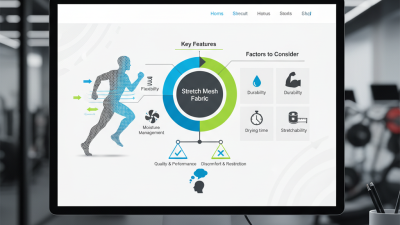
Stretch Mesh Fabric is used in activewear, dancewear, lingerie, and performance costumes. Its open structure can improve airflow, while stretch and recovery affect comfort and fit. But not every mesh behaves the same. Some fabrics feel soft against the skin; others may snag, curl, or lose shape after repeated wear.

For global buyers, choosing a supplier involves more than comparing price lists. Fabric weight, fiber content, stretch direction, color consistency, and minimum order quantities all matter. Ask for swatches, technical specifications, and clear testing details before committing to a large order. A sample can reveal useful things. It can also raise new questions.

This guide introduces seven Stretch Mesh Fabric suppliers for buyers exploring international sourcing options. It considers product range, customization, communication, and practical ordering support, rather than treating one supplier as right for every project. No shortlist is perfect. Availability, lead times, and service can change, so verify details directly with each company. Even a promising first sample may not match bulk production exactly. A little caution helps. The goal is to make supplier research more focused and give you concrete points to compare before requesting quotes.
7 Best Stretch Mesh Fabric Suppliers for Global Buyers

What Stretch Mesh Fabric Is and How It Is Used

Stretch mesh is an elastic, open-knit textile, often made from polyester or nylon blended with elastane. Its small openings allow air to pass, while the stretch helps the fabric follow body movement. Hole size and yarn thickness vary, so two meshes may feel quite different. A finer mesh can offer smoother coverage; a wider grid may feel cooler but reveal seams or skin more clearly.

In garments, stretch mesh is commonly used for ventilation panels, linings, sleeves, and supportive layers in activewear or dancewear. It can also form flexible pockets or inserts. Stretch alone does not guarantee durability. Repeated pulling, rough edges, and high heat may weaken recovery. Check stretch direction, opacity under tension, and seam behavior before choosing a fabric. Test a sample after washing, too. Small differences matter.

Tips: Hold a swatch against light, then stretch it gently across and along the grain. Check whether it returns flat. Ask for fiber content, usable width, and care guidance. One limitation: a small swatch cannot predict every wear condition.

7 Best Stretch Mesh Fabric Suppliers for Global Buyers - What Stretch Mesh Fabric Is and How It Is Used

Stretch mesh is an open-knit or open-weave fabric that combines mesh openings with some degree of stretch. It is commonly made from nylon or polyester, sometimes blended with elastane. The table compares seven supplier specializations to help buyers identify the right sourcing partner. These are supplier categories, not named companies; specifications vary by construction and should be confirmed with each supplier.

Supplier specialization Typical construction and weight Common uses What to verify before ordering Best fit for
Power mesh and lingerie mesh Usually warp-knit nylon or polyester with elastane; many styles fall around 70–180 g/m². Lingerie, shapewear panels, dancewear, and garment lining. Stretch and recovery in both directions, opacity, skin feel, colorfastness, and usable width. Buyers needing close fit, support, or a soft next-to-skin hand.
Lightweight fashion mesh Fine-gauge knit, often nylon or polyester with elastane; lightweight styles may be roughly 30–80 g/m². Sheer overlays, sleeves, inserts, and layered fashion garments. Snag resistance, transparency, dimensional stability, and shade consistency between lots. Brands and manufacturers seeking a sheer, lightweight appearance.
Sportswear and performance mesh Polyester- or nylon-based knit with stretch; weights vary widely, commonly around 80–220 g/m² across different constructions. Activewear panels, jerseys, sports bras, and breathable garment sections. Air permeability, drying behavior, pilling, abrasion resistance, and performance after laundering. Buyers prioritizing breathability and movement in apparel.
Printed and fashion-finish mesh Stretch mesh finished with printed, dyed, or embellished designs; base-fabric weight depends on the mesh selected. Costumes, occasionwear, dancewear, and decorative apparel panels. Print stretch compatibility, colorfastness, pattern alignment, minimum order quantity, and sample approval. Projects requiring custom colors, patterns, or surface effects.
Recycled-content mesh May use recycled polyester or recycled nylon, often combined with elastane; construction and weight are product-specific. Activewear, swimwear, and other apparel lines with recycled-fiber requirements. Scope of recycled content, chain-of-custody documentation, test reports, and availability of consistent lots. Buyers with documented recycled-material targets.
Compression and support mesh Denser stretch knit, often using elastane; heavier constructions may be around 120–300 g/m², depending on the intended garment. Shapewear, supportive apparel panels, and compression-style sportswear. Force-extension behavior, recovery, seam compatibility, and performance after repeated wear and washing. Garment makers needing a firmer hand and controlled stretch.
Technical and custom-knit mesh Engineered knit structures and fiber blends; weight, opening size, and stretch are specified for the application. Specialty apparel, equipment covers, and other applications requiring a tailored mesh construction. Opening size, tensile and tear properties, environmental suitability, testing standards, and production capability. Buyers needing custom specifications or application-specific testing.

Note: Weight ranges are indicative examples, not universal standards. Request a physical sample and confirm fiber content, fabric weight, stretch and recovery, testing method, lead time, minimum order quantity, and shipping terms before placing a bulk order.

How to Evaluate Stretch Mesh Fabric Suppliers

When evaluating a stretch mesh fabric supplier, start with the fabric, not the catalog. Request a swatch in the intended fiber blend, weight, width, and color. Check the openings in daylight; uneven holes can affect coverage and appearance. Stretch it across and along the grain, then note how well it recovers. A quick hand test helps, but it cannot replace measured testing.

Ask for technical data covering composition, GSM, usable width, dimensional change, and colorfastness. Confirm the test method, since results can differ between laboratories. If the fabric will be washed often, wash a sample and compare its shape, shade, and edge curl. Small differences matter.

Verify relevant certificates with the issuing organization; a PDF alone is weak evidence. A small trial order can also reveal whether delivered rolls match the approved sample.

Assess process reliability too. Get written details on minimum order quantity, lead time, batch consistency, packing, and claims handling. Ask how the supplier controls mesh tension during finishing, since excess heat or tension may distort the openings. A responsive sales contact is useful, but production answers matter more. Leave room for uncertainty: one sample cannot predict every dye lot, and even careful suppliers can have variation. Agree on tolerances before bulk production, and keep sealed reference swatches for inspection.

Seven Stretch Mesh Fabric Suppliers for Global Buyers

For global buyers, seven useful stretch mesh fabric supplier profiles include a warp-knit mill, a circular-knit producer, a recycled-yarn specialist, a performance-textile converter, a dyeing and finishing mill, a narrow-width manufacturer, and an export-focused fabric stockist. Each may serve a different need. A warp-knit supplier can discuss stable openings and recovery, while a stockist may offer quicker access to available shades. Ask about fiber content, fabric weight, usable width, stretch direction, and batch tolerances before comparing prices.

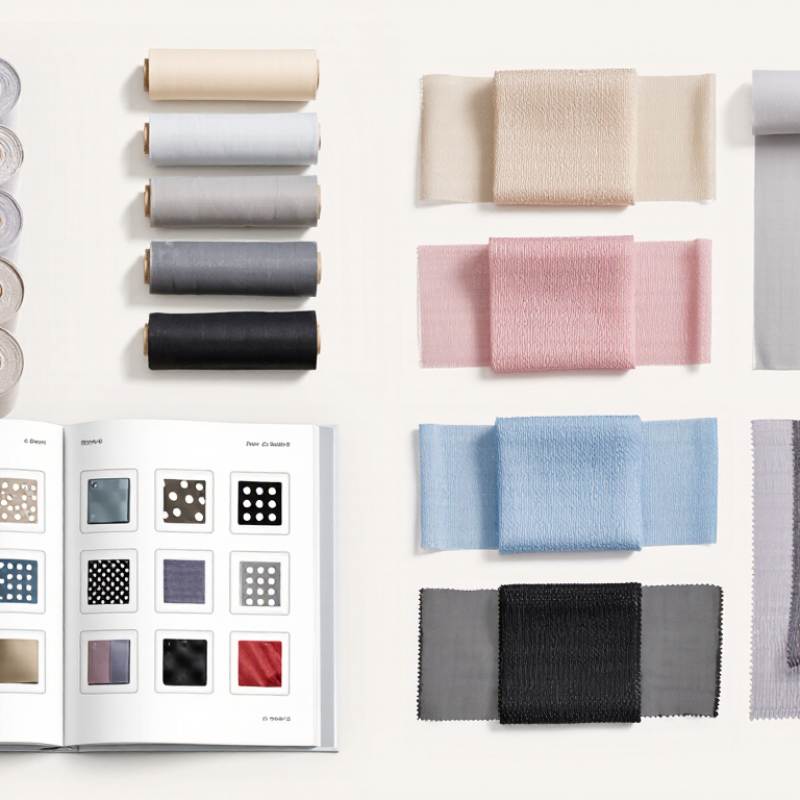
Request physical swatches, not just catalog images. Hold each sample against a light source to inspect the mesh openings, then stretch and release it several times. Check whether the fabric returns evenly and whether the edges curl. Ask suppliers for test methods, production lead times, minimum order quantities, and documentation for fiber composition. A detailed answer is more useful than a broad claim of “high quality.” Still, sample results may not match a full production roll exactly.

For international orders, confirm packing details, shipping terms, and how shade approval works across repeat batches. A supplier with clear inspection records and responsive technical staff can reduce avoidable surprises. Keep a written specification sheet; small differences in weight or elasticity can affect sewing and fit. I would not choose on price alone. Even careful buyers sometimes discover that a promising swatch behaves differently after cutting, so pilot quantities are worth considering.

7 Best Stretch Mesh Fabric Suppliers for Global Buyers

A practical scorecard for comparing stretch mesh suppliers. The percentages are suggested buyer-evaluation weights, not measured supplier ratings.

Prioritize verified quality and consistency, then compare product range, customization, production capacity, lead time, and commercial terms. Confirm specifications and test results directly with each supplier.

Comparing Supplier Capabilities, Quality, and Customization

When comparing stretch mesh fabric suppliers, look beyond catalogue photos. Ask about knitting capacity, available widths, weight ranges, and monthly production volume. These details show whether a supplier can handle repeat orders or only small sampling runs. A useful sample should match the intended garment, not just feel soft in the hand.

Quality needs measurable checks. Request fabric weight, stretch and recovery results, colorfastness data, and inspection standards. Then test a swatch after washing and repeated extension. Does it return to shape? Does the mesh snag at seams? Small differences in hole size can affect both airflow and appearance. A certificate may help, but it cannot replace checking the actual lot.

Customization can include fiber blends, dye colors, mesh openings, finishing, and roll lengths. Confirm which changes require new tooling or minimum order quantities, and ask for a written sample timeline. Communication matters. Clear replies about tolerances, packaging, and shipping documents often reveal how well a supplier manages details. Still, no checklist guarantees a smooth order; specifications can be misunderstood, especially across time zones. Keep the approved swatch and written requirements together before production begins.

How to Manage Sampling, Orders, and International Shipping

For stretch mesh, a useful sample must match the intended use, not just the color card. Request swatches with stated fiber content, weight, width, stretch and recovery, plus a larger cutting for garment trials. Record the lot number and wash-test conditions. A small swatch may behave differently across a full panel. Ask suppliers to confirm sample lead time and whether bulk fabric will use the same construction and dye standard. A sample can still mislead if testing tension differs from production.

Before placing an order, agree on tolerances, inspection points, packaging, and the process for handling defects. Ask for a dated production schedule with separate milestones for greige fabric, dyeing, inspection, and dispatch.

The World Trade Organization’s Global Trade Outlook and Statistics, April 2024, projected merchandise trade volume growth of 2.6% in 2024 and 3.3% in 2025. That outlook is not a delivery promise. Build shipping buffers into launch plans, and compare air and sea quotes using the same shipment weight and destination terms.

Small details matter. Confirm roll dimensions, carton counts, export documents, and who books freight before production starts. The World Bank’s Logistics Performance Index 2023 assesses international shipment arrangements and tracking, useful reminders to check visibility with the forwarder.

Delays happen. Keep a backup date, and review where your own assumptions proved too optimistic.