Top 10 Benefits of Jersey Knit Fabric for Your Clothing Choices?
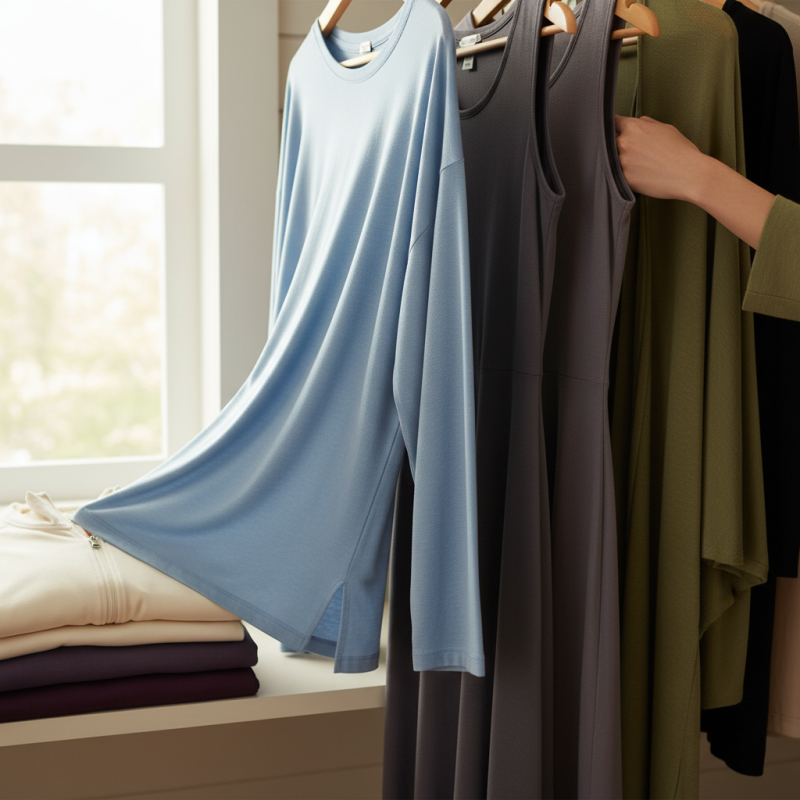
Jersey Knit fabric has transformed the way we perceive clothing. This versatile material offers a blend of comfort and style. With its unique elasticity, Jersey Knit adapts to body movements, providing an unparalleled fit. It feels soft against the skin, making it perfect for everyday wear.
Many people overlook the benefits of Jersey Knit. It can absorb moisture while remaining lightweight. This feature is essential for active lifestyles. Jersey Knit is also durable, resisting wear and tear effectively. However, some may find that it clings too much at times, requiring careful selection.
Incorporating Jersey Knit into your wardrobe opens up endless possibilities. From casual T-shirts to chic dresses, this fabric enhances various styles. Despite minor challenges, embracing Jersey Knit can lead to better clothing choices.
Understanding Jersey Knit Fabric: A Comprehensive Overview
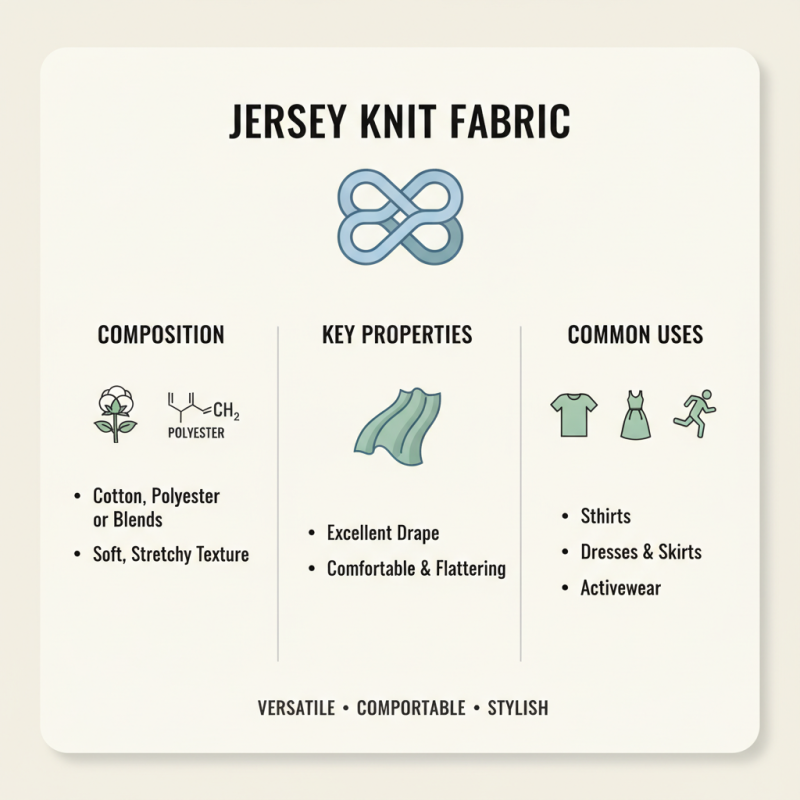
Jersey knit fabric is a versatile choice for clothing. It is made from cotton, polyester, or a blend of fibers. This fabric is known for its soft texture and stretch. Jersey is often used in t-shirts, dresses, and activewear. The fabric drapes well, making it flattering for various body types.
When selecting jersey fabric, consider the weight. Lighter fabrics are breathable, ideal for summer wear. Heavier versions provide warmth in colder months. Jersey can also be found in multiple styles. Look for prints or colors that reflect your personality.
Tip: Always check the fabric's care instructions. Jersey is generally easy to wash but can shrink if not handled correctly. Avoid using harsh detergents. For a longer lifespan, wash in cold water and air dry when possible. This simple practice can enhance durability.
Another tip: Pay attention to the seam construction. Well-stitched seams will withstand wear and tear. Loose seams may cause issues down the line. Investing in quality construction is crucial. Jersey's flexibility can be both an advantage and a challenge, depending on usage.
Versatility in Clothing Design: Why Jersey Knit Stands Out
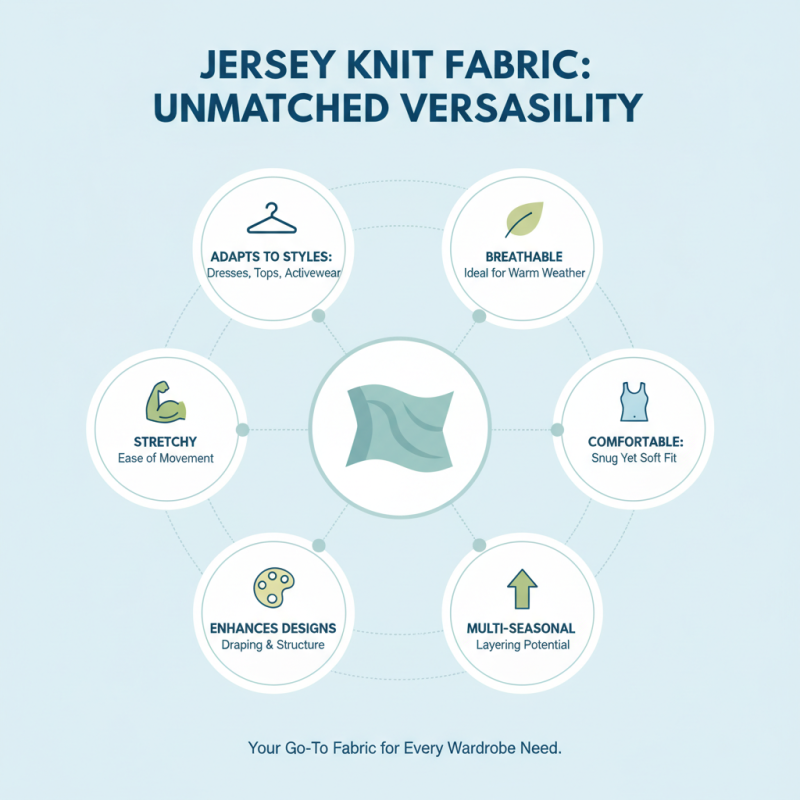
Jersey knit fabric is unmatched in versatility. It adapts beautifully to various clothing styles. This fabric breathes well, making it perfect for warmer weather. Its stretchiness allows for ease of movement, fitting snugly yet comfortably. Whether it's dresses or activewear, jersey knit enhances design options.
When designing garments, consider your audience. Will they wear it for lounging or a night out? The fabric's look can change drastically based on color and pattern. Bold hues can elevate a casual t-shirt, making it suitable for any occasion. Subtle prints can create sophisticated dresses that flow elegantly.
Tip: Always test your fabric choice on a small sample. This helps avoid any surprises during production. Keep in mind that not all jersey knits are alike. Some may not hold their shape after washing, which is something to reflect upon before finalizing your design. Look for quality options that provide durability and comfort, ensuring your designs last.
Comfort and Stretch: Key Attributes of Jersey Knit Fabric
When it comes to clothing, comfort is a key factor. Jersey knit fabric excels in providing a soft, breathable feel against the skin. This fabric is known for its stretch, allowing for a comfortable fit without restriction. It moves with your body, whether you're lounging at home or running errands. The versatility of jersey knit can elevate both casual and semi-formal looks.
Tips for choosing jersey knit: Look for a weight that suits your climate. Lightweight options work well in warmer months. Consider the blend; cotton jersey is soft, while polyester blends offer durability. Don't overlook the care instructions; some may shrink if not washed correctly.
Jersey knit is not perfect, of course. It may pill over time, especially in high-friction areas. Also, its stretch can fade after frequent washing. Finding high-quality jersey can mitigate these issues. You might need to experiment to find the right fit and blend for your wardrobe. Embrace the learning process, as the right fabric can significantly enhance your clothing experience.
Durability and Maintenance: Long-lasting Benefits of Jersey Knit
Jersey knit fabric is a popular choice for clothing due to its durability and ease of maintenance. This fabric is known for its excellent stretchability, allowing for comfort during wear. It can withstand frequent washing without losing its shape. This practical aspect makes jersey knit ideal for everyday garments, from t-shirts to dresses.
However, some might feel that the fabric can be prone to pilling over time. This issue can occur, especially with lower-quality knits. Regular use may reveal these little frustrations. Despite this, its breathability allows for wearing in warm conditions without discomfort. Many appreciate its soft feel against the skin, promoting daily wear.
Caring for jersey knit is relatively simple. Most items can be machine washed and dried. Still, some pieces may need special handling to avoid shrinkage. It's essential to read care labels carefully. Investing a bit more time in maintaining these clothes pays off in longevity. The benefits of jersey knit are clear, but users should remain aware of its limitations.
Top 10 Benefits of Jersey Knit Fabric for Your Clothing Choices
This bar chart illustrates the top benefits of jersey knit fabric, showcasing how it excels in various aspects relevant to clothing choices. The ratings (from 1 to 10) highlight the strengths of jersey knit, making it a preferred choice for both casual and active wear.
Sustainable Options: Eco-friendly Aspects of Jersey Knit Fabrics
Jersey knit fabric is increasingly recognized for its sustainable advantages. It is often made from eco-friendly materials like organic cotton or recycled fibers. According to a report by the Textile Exchange, the market for organic cotton has grown significantly. In 2021, organic cotton production increased by 33%. This shift reflects a rising demand from consumers for sustainable clothing options.
The production of jersey knit fabric tends to have a lower carbon footprint compared to conventional fabrics. For instance, a study from the Global Fashion Agenda highlighted that sustainable fabric sourcing reduces water consumption by up to 90%. Jersey knit’s soft texture also contributes to its longevity, minimizing waste over time. When clothes last longer, less waste ends up in landfills.
However, not all jersey knits are created equal. The reliance on synthetic fibers can sometimes counteract sustainability efforts. This creates a challenge for consumers. Identifying truly eco-friendly options requires careful consideration of labeling and sourcing. The journey to sustainable fashion is complex, and consumers often find themselves perplexed by choices. Greater transparency from manufacturers can aid in informed decisions.