Top Benefits of Polyester Stretch Fabric for Fashion and Comfort
Polyester Stretch fabric has rapidly gained traction in the fashion industry. Industry reports indicate that the global polyester market is expected to reach $92 billion by 2025, underlining its popularity. The blend of flexibility and comfort provided by Polyester Stretch makes it a favorite among designers.
According to fashion expert Dr. Jane Thompson, "Polyester Stretch allows for a unique combination of style and wearability." This attribute is crucial in today's competitive market. Consumers seek versatile clothing that adapts to various settings, and Polyester Stretch delivers.
However, not all products labeled as Polyester Stretch meet the same high standards. Quality can vary widely among manufacturers. Some fabrics may lack the durability or comfort people expect. This inconsistency raises questions about sustainability and long-term wear. The push for better quality remains imperative in this growing sector.
Key Characteristics of Polyester Stretch Fabric
Polyester stretch fabric has become a go-to choice in the fashion industry for its unique characteristics. It offers excellent elasticity while maintaining durability. According to the Textile World report, polyester can stretch up to 30% of its original length without losing shape. This allows clothing to fit snugly while providing comfort.
Another key feature is its moisture-wicking ability. Polyester stretches help draw sweat away from the body. This helps keep wearers cool and dry. The American Journal of Textile Sciences highlights that polyester fabrics can transfer moisture ten times better than cotton. This makes it ideal for activewear and everyday clothing alike.
However, not all polyester stretch fabrics are created equal. Some can feel stiff or uncomfortable. Designers often need to balance between flexibility and breathability. While the fabric works well for many styles, it may not always provide the softness that some consumers desire. The challenge is to create garments that are both stylish and comfortable for all body types.
Top Benefits of Polyester Stretch Fabric
Advantages of Polyester Stretch Fabric in Fashion Design
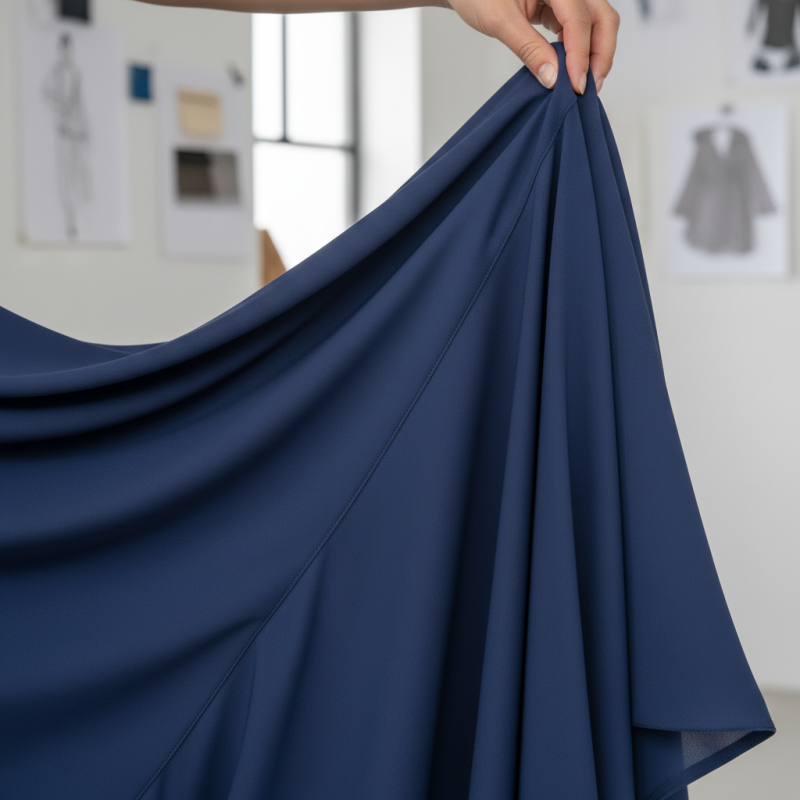
Polyester stretch fabric has emerged as a favored choice in fashion design. It blends flexibility with durability, making it ideal for a variety of garments. Designers appreciate its ability to retain shape while offering comfort. The fabric’s stretch ensures a snug fit, enhancing the wearer’s silhouette. This feature is particularly advantageous for activewear and form-fitting attire.
When working with polyester stretch, consider the weight of the fabric. Lighter options are great for summer collections. Heavier fabrics lend themselves well to structured pieces. Pay attention to the blend ratio; 90% polyester with 10% spandex often provides the best yield of comfort and stretch. Experimenting with different textures can also elevate your designs.
Incorporating vibrant colors and patterns into polyester stretch can create striking visual appeal. The fabric is versatile, allowing various dye techniques. However, achieving the perfect hue might take multiple attempts. Some designers find this process frustrating. Yet, every failure leads to a better understanding of the material. Embrace these challenges; they can lead to innovative designs and methods.
Comfort Features and Benefits of Polyester Stretch Fabric
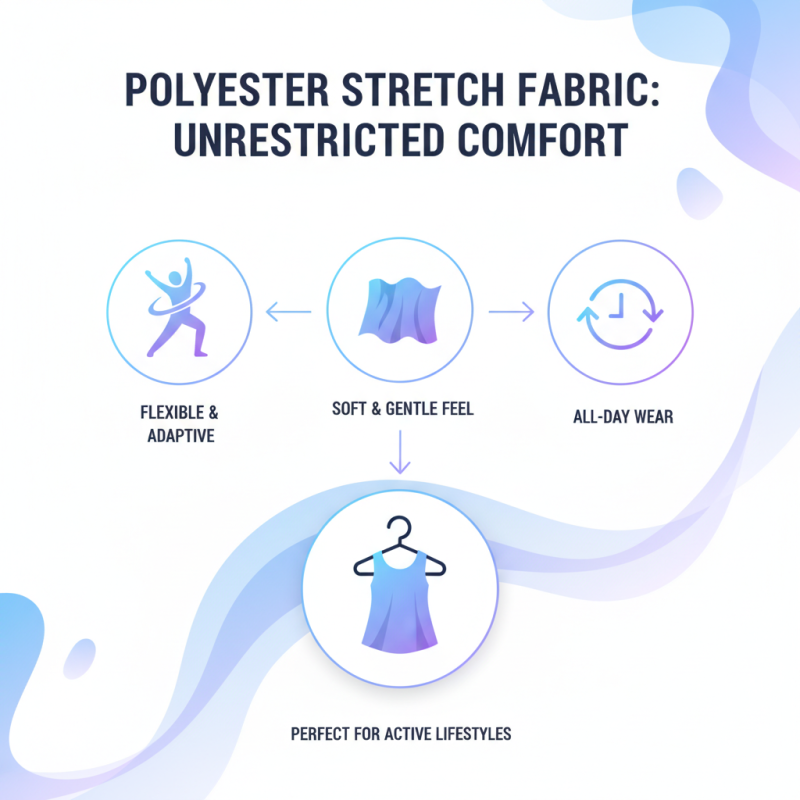
Polyester stretch fabric has become a popular choice in the world of fashion. Its comfort features are hard to ignore. This fabric is known for its flexibility and softness. The gentle stretch allows for a snug fit without compromising movement. You can wear it all day without feeling restricted. Many find it perfect for active lifestyles. It adapts well to body movements, making every outfit feel more fluid.
Another great aspect of polyester stretch fabric is its breathability. It helps keep you cool during hot days. The moisture-wicking properties draw sweat away from the skin. This ensures that you stay comfortable even when the temperature rises. However, it’s not without challenges. Some might find it less breathable than other natural fabrics. This can lead to discomfort in very humid conditions. Additionally, while it resists wrinkles, it can sometimes cling unflatteringly in certain styles.
Despite these potential drawbacks, many appreciate the fabric for its durability. It holds up well after repeated washes. The color retention is another plus. With vibrant hues that stubbornly stay true, your wardrobe remains stylish longer. It’s essential to weigh these factors when choosing your next outfit. Comfort and style should go hand in hand.
Environmental Considerations of Using Polyester Stretch Fabric
Polyester stretch fabric has gained popularity in the fashion industry due to its versatility and durability. However, there are crucial environmental considerations when using this synthetic fiber. Polyester is derived from petroleum, a non-renewable resource. The production of polyester releases significant greenhouse gases. A report from the World Resources Institute indicates that the textile sector contributes 1.2 billion tons of CO2 annually. This figure highlights the urgent need for sustainable practices within the industry.
Recycling polyester is a positive step forward. According to the Textile Recycling Association, recycled polyester can reduce carbon emissions by 75% compared to virgin polyester. This process not only mitigates environmental impact but also conserves energy. While there has been progress, challenges remain. The recycling rate for polyester is still low. Many consumers are unaware of the environmental consequences of their clothing choices. Awareness and education are essential to encourage better recycling practices.
The use of polyester stretch fabric also raises concerns about microplastic pollution. Washing garments made from polyester can release microfibers into water systems. A study by the Ocean Conservancy estimates that over 700,000 microfibers can be released in a single wash. These microplastics can harm marine life and ultimately enter the food chain. Fashion choices are not just about style; they involve a complex web of environmental impacts that require careful consideration.
Comparative Analysis: Polyester Stretch vs. Other Fabrics
Polyester stretch fabric is gaining attention in the fashion industry for its unique qualities. A comparative analysis reveals notable differences when placed against other materials. For instance, a report by the Textile Exchange found that polyester and its blends comprise 55% of the global fabric market. This high adoption rate speaks to its versatility and comfort.
When we look at cotton, it breathes well but lacks elasticity. Stretch fabrics offer a snug fit that cotton can't match. A study from the American Apparel and Footwear Association highlights that stretchy fabrics enable greater freedom of movement. This is essential in activewear, where performance is critical. However, cotton remains popular for its comfort in casual wear.
Another comparison arises with nylon, which provides durability. Yet, it often feels less breathable than polyester blend fabrics. The fashion trends indicate that consumers gravitate toward comfort over sheer durability. Comfort remains subjective. Some might find polyester feels synthetic, while others appreciate its flexibility. Understanding these differences can guide more thoughtful purchases in fashion.