Top Benefits of Using Polyester Stretch Material in Fashion and Sportswear?
Polyester Stretch Material has revolutionized the fashion and sportswear industries. A recent report by the Global Textile Industry indicates that the demand for stretch materials is increasing by 5% annually. This trend is fueled by the need for versatile clothing that accommodates various body shapes and sizes while providing optimal comfort.
This material is known for its elasticity and durability. It offers a fit that moves with the body, essential for both athletic performance and casual wear. According to a survey by Sports Apparel Analytics, 68% of consumers prefer stretchy fabrics for active lifestyles. Such insights reveal the critical role polyester stretch plays in enhancing user experience.
While the advantages are substantial, there are challenges. Not all polyester stretch materials are created equal. Some can lack breathability, leading to discomfort during intense activities. Reflecting on your choices in fabric can lead to a more informed decision. Embracing polyester stretch can elevate your wardrobe, but quality should be a priority.
Advantages of Polyester Stretch Material in Fashion Design
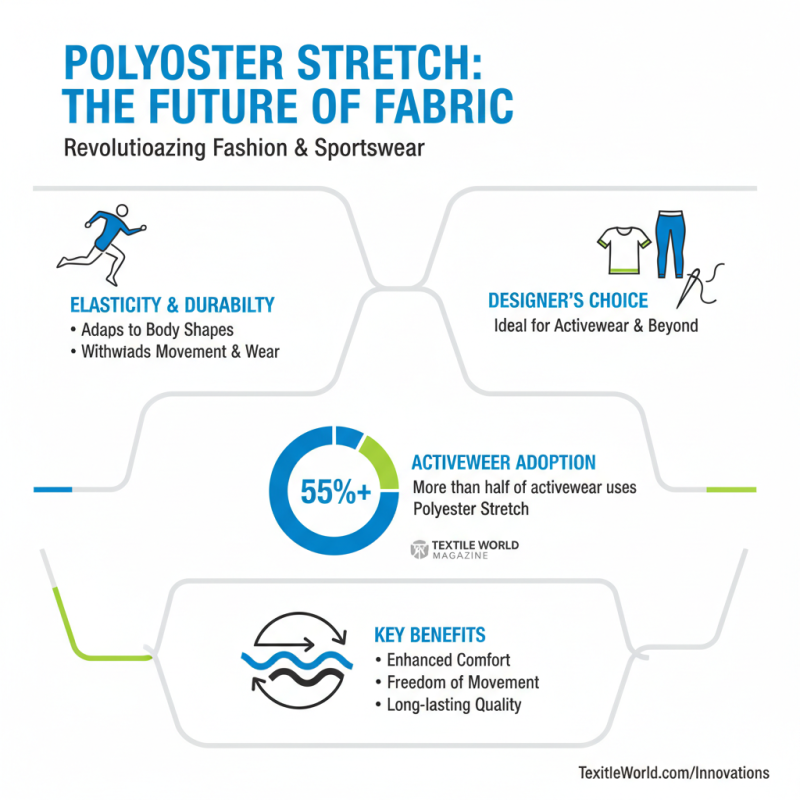
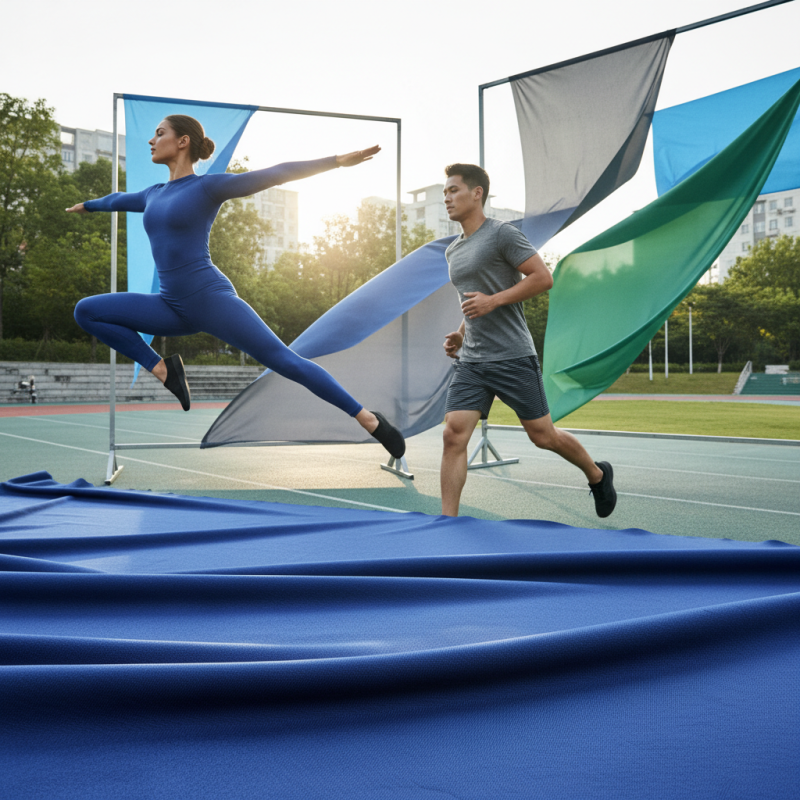
Polyester stretch material has revolutionized fashion and sportswear. Its elasticity and durability make it an ideal choice for designers. According to the Textile World Magazine, more than 55% of activewear incorporates some form of polyester stretch. This trend highlights the fabric's ability to adapt to various body shapes and movement styles.
Designers appreciate polyester stretch for its versatility. It’s lightweight and moisture-wicking, essential for both sportswear and everyday fashion. Additionally, the fabric maintains its shape after multiple washes, ensuring longevity. However, not all consumers are aware of the potential environmental impact. Sustainable options are emerging, which blend recycled polyester with stretch technology.
**Tip:** Consider the care instructions for polyester stretch garments. Proper washing can extend the life of the fabric.
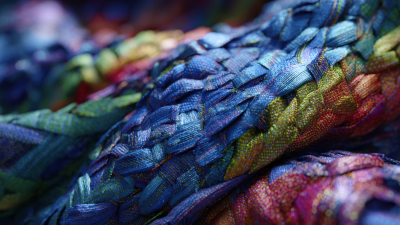
Another advantage is the wide range of colors and patterns available. This flexibility allows for creative expression in fashion. However, it’s important to remain critical of the sourcing process. Evaluating supply chains can enhance ethical practices in the industry.
**Tip:** Look for certifications that indicate sustainable practices in polyester production. Such choices benefit both the consumer and the environment.
Durability and Longevity of Polyester Stretch in Activewear
Polyester stretch material has gained popularity in fashion and sportswear, especially in activewear. Its durability is one of the primary reasons for this trend. Unlike some other fabrics, polyester can withstand the rigors of daily activities. It resists wear and tear from exercise, making it a practical choice for those leading an active lifestyle.
This material also offers longevity. Garments made from polyester stretch maintain their shape and elasticity over time. They are less prone to fading and shrinking, even after numerous washes. This quality makes polyester ideal for high-performance sportswear. Athletes can train harder without worrying about wear. However, one must acknowledge that not all polyester fabrics are equal. Some variations may not hold up as well as others.
Tips: When choosing polyester stretch products, check the composition details. Look for blends that enhance comfort and breathability. Also, pay attention to care instructions. Proper washing extends the life of your garments. Even with durable fabric, improper care can lead to quick degeneration.
Top Benefits of Using Polyester Stretch Material in Fashion and Sportswear
| Benefit |
Description |
Importance in Activewear |
| Durability |
Polyester stretch is resistant to stretching and shrinking, maintaining its shape after multiple washes. |
Ensures long-lasting garments that withstand intense physical activities. |
| Moisture-Wicking |
Effectively pulls moisture away from the body to keep the wearer dry. |
Crucial for comfort during workouts and sports events. |
| Lightweight |
Polyester stretch fabrics are lightweight, reducing overall burden on the athlete. |
Enhances mobility and performance in sportswear. |
| Breathability |
Allows air circulation, preventing overheating. |
Essential for maintaining temperature and comfort during intense activities. |
| Ease of Care |
Machine washable and quick-drying, with minimal fading. |
Saves time and effort for athletes in garment maintenance. |
Breathability and Moisture-Wicking Properties of Polyester Stretch
Polyester stretch material is revolutionizing the world of fashion and sportswear. One of its standout features is its breathability. A study showed that polyester fabrics allow air to circulate, keeping wearers cool during physical activity. This property is crucial for athletes who need to regulate body temperature. Maintaining comfort while performing is essential for optimal results.
Moreover, polyester stretch is known for its moisture-wicking capabilities. It effectively pulls sweat away from the skin, which can significantly improve performance during workouts. Research indicated that moisture management in fabrics can enhance endurance by up to 30%. Such findings underscore the material's importance. However, not all polyester stretches are created equal. Some fabrics may not wick moisture efficiently, leading to discomfort and distractions during exercise.
Fashion designers increasingly favor polyester stretch for its versatility. The fabric molds to the body, offering an appealing fit. It can be used in various styles, from athletic wear to everyday outfits. Yet, there are challenges, such as potential pilling and fading after multiple washes. These drawbacks remind producers to continuously refine their fabric technologies. Finding the right balance between performance and durability remains a pressing concern in the industry.
Versatility of Polyester Stretch for Various Fashion Applications
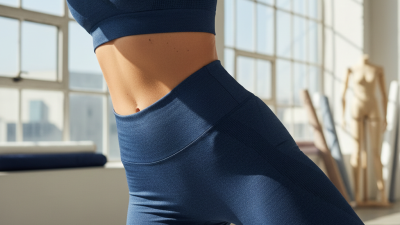
Polyester stretch material stands out for its versatility in fashion and sportswear. Its elasticity allows garments to move with the body, enhancing overall comfort. A report from the Textile Exchange indicates that polyester accounted for 49% of global fiber production in 2021. This high usage illustrates its importance, especially in activewear where flexibility is key. For instance, leggings made from polyester stretch offer both style and function, enabling wearers to transition effortlessly from workout to casual outings.
Different applications highlight polyester stretch's adaptability. It effectively blends with other fabrics, creating diverse textures and finishes. A study from MarketWatch projected a 6% annual growth in the polyester textile market through 2026. This expansion indicates a shift towards more innovative designs, appealing to both athletes and fashion enthusiasts.
However, one must reflect on sustainability. The production of polyester raises concerns about environmental impact, urging the industry to explore eco-friendly alternatives. Designers face a challenge: balancing the benefits of polyester stretch with the responsibility to the planet.
Sustainability Factors in Polyester Stretch Material Usage
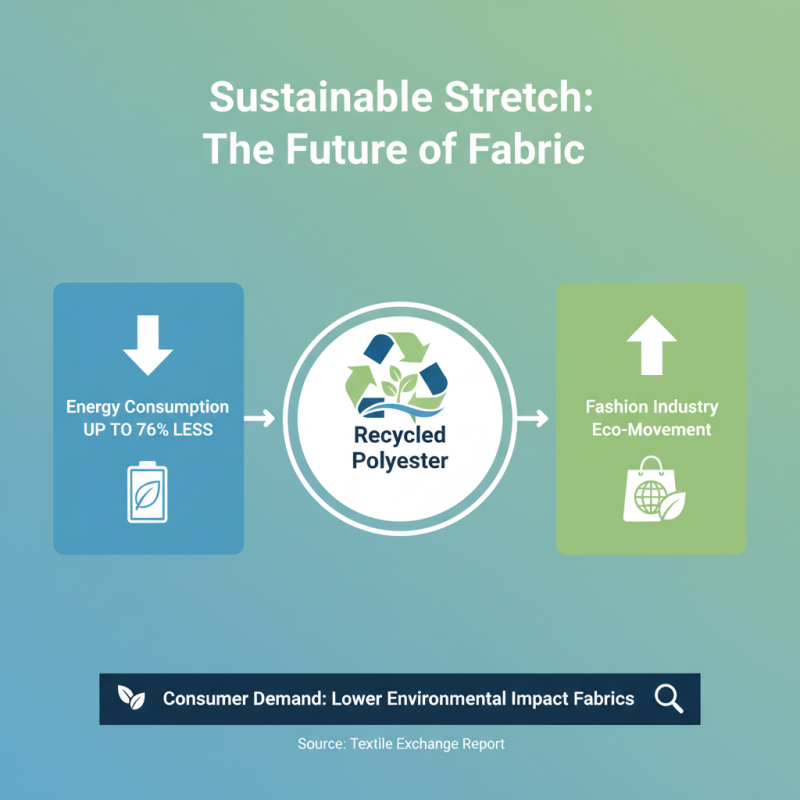
Polyester stretch material is gaining attention for its eco-friendly potential. According to a report by the Textile Exchange, recycled polyester can reduce energy consumption by up to 76% compared to virgin polyester. This reflects a growing movement within the fashion industry towards sustainability. Consumers are increasingly discerning. They seek out materials that have a lower environmental impact.
However, the production of polyester, even when recycled, is not without issues. The process can still involve significant water usage and energy consumption. A significant factor in this dilemma is the reliance on fossil fuels for polyester production. Many brands are now focusing on improving their practices, but there is still a long way to go. The industry must continuously address these challenges to ensure true sustainability.
The integration of recycled materials in fashion is becoming more common. A survey revealed that 53% of consumers prefer brands that use sustainable materials. This statistic highlights the importance of consumer awareness. While some brands do source recycled polyester, many still contribute to the issue with conventional production methods. It’s a paradox worth reflecting on as we move forward in textile innovation.