What are the Benefits of Using Polyester Fiber for Your Business?
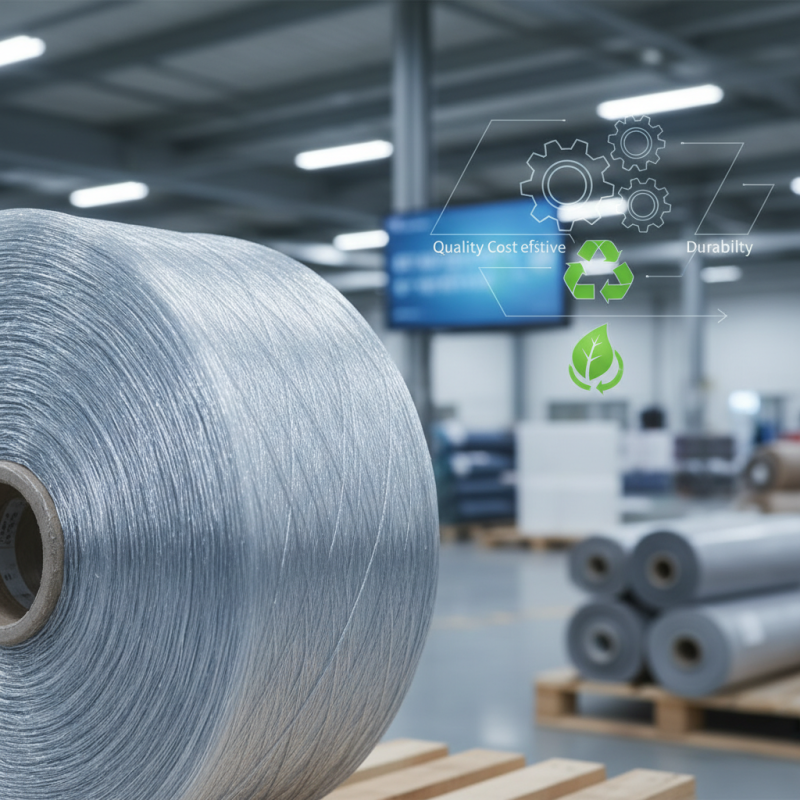
In today's competitive market, businesses strive for materials that enhance quality and cost-effectiveness. Polyester fiber stands out as a versatile option. It offers numerous advantages across various industries, from textiles to packaging.
Polyester fiber is known for its durability and resistance to shrinking, stretching, and wrinkling. These properties make it a favorite for manufacturers seeking reliable materials. Furthermore, polyester is lightweight and easy to care for, making it ideal for everyday consumer products. However, while it provides many benefits, some may question its environmental impact.
Understanding the balance between convenience and sustainability is crucial. As businesses evaluate polyester fiber for their needs, thoughtful consideration is necessary. This approach leads to informed choices that align with both operational goals and corporate responsibilities.
Overview of Polyester Fiber and Its Properties
Polyester fiber is a synthetic material known for its durability and versatility. It is widely used in textiles, upholstery, and various industrial applications. According to the Textile World, the global polyester fiber market reached approximately $70 billion in 2022. This growth is attributed to its advantageous properties, including high strength, moisture resistance, and resistance to wrinkling and shrinking.
One of the key properties of polyester is its excellent resilience. It can recover its shape after stretching or compressing. This feature makes it an ideal choice for apparel and home furnishings. Additionally, polyester fibers are resistant to mold and mildew. According to the International Textile Manufacturer Association, these characteristics contribute to an estimated 65% of the total fabrics market share in 2023. However, it is essential to acknowledge that the production of polyester is energy-intensive, raising concerns about environmental sustainability.
Furthermore, polyester's ability to blend with natural fibers enhances its appeal. Fabrics like cotton-polyester blends combine comfort and strength. Yet, there’s a need for transparency regarding the recycling process. The recycling rates for polyester are lower than desired, highlighting a significant area for improvement. Businesses must weigh these pros and cons as they consider integrating polyester into their offerings.
What are the Benefits of Using Polyester Fiber for Your Business?
| Property |
Description |
Benefit to Business |
| Durability |
High strength and resistance to wear |
Reduces replacement costs and extends product life |
| Moisture Wicking |
Quickly absorbs and evaporates moisture |
Enhances comfort for end-users, increasing product satisfaction |
| Color Retention |
Resistant to fading and maintains vibrant colors |
Improves aesthetic appeal and brand reputation |
| Flexibility |
Soft texture and adaptable to various uses |
Versatile applications across different product lines |
| Cost-Effectiveness |
Generally lower production costs |
Increases profit margins and overall business efficiency |
| Environmental Resistance |
Resists various chemicals and molds |
Lowers maintenance efforts and improves product longevity |
Advantages of Polyester Fiber in Manufacturing Processes
Polyester fiber has become a pivotal material in manufacturing processes across various industries. The lightweight nature of polyester contributes to its versatility. According to a recent industry report, polyester holds over 65% of the global fiber market due to its durability and affordability. This allows manufacturers to achieve both cost-effectiveness and high quality in their products.
The time efficiency in the production of polyester fiber is also significant. It has been noted that polyester can reduce production times by up to 30% compared to natural fibers. This acceleration benefits businesses looking to meet tightly scheduled delivery timelines. Furthermore, polyester’s resistance to wrinkling and shrinking makes it an excellent choice for garments that require less maintenance. However, some manufacturers still face challenges with its environmental impact. Recycling techniques are evolving, yet they have not fully addressed waste concerns.
Commonly, businesses overlook the sheer adaptability of polyester. For instance, it can be blended with other fibers to enhance functionality and texture. This process allows for innovative product lines but requires ongoing research. Bridging gaps in technology will significantly upgrade production practices. Companies must reflect on these areas to harness the maximum potential of polyester fibers.
Cost-Effectiveness of Polyester Fiber for Businesses
Polyester fiber is increasingly recognized for its cost-effectiveness in various industries. According to a report by the Textile Exchange, polyester remains the most widely used fiber globally, accounting for around 52% of all fiber consumption in 2021. This widespread use highlights its affordability, making it an attractive option for businesses looking to minimize production costs. The lower price point often translates into higher profit margins, enabling companies to invest in other critical areas, such as marketing or product development.
In addition to its initial cost advantages, polyester fiber offers durability and longevity. Research indicates that fabrics made from polyester can withstand more wear and tear than natural fibers like cotton. This durability results in fewer replacements and lower long-term expenses. However, there is a growing concern about environmental impacts tied to polyester production and disposal. Businesses must weigh these factors carefully. Balancing cost savings with sustainability is essential. Companies may face scrutiny if they don't address these issues appropriately. Making informed choices can be complex but necessary in today's market landscape.
Benefits of Using Polyester Fiber for Your Business
Environmental Impact and Sustainability of Polyester Fiber
Polyester fiber has gained attention for its environmental impact and sustainability. Unlike natural fibers, polyester is synthetic and made from petroleum. This aspect raises concerns about its production methods. The extraction of petroleum contributes to environmental degradation. However, the recycling of polyester offers a glimmer of hope.
Recycled polyester helps reduce waste in landfills. When old polyester garments are repurposed, fewer new materials are needed. This process can decrease energy consumption and minimize pollution. Moreover, using recycled polyester lowers the demand for virgin materials. Businesses that adopt this practice can position themselves as environmentally conscious.
Yet, there are challenges. The recycling process itself requires energy. Not all polyester can be effectively recycled. This limitation highlights a gap in the sustainability narrative. Companies must critically evaluate their supply chains. This includes weighing the benefits against the environmental costs. The journey towards sustainable practices is ongoing, requiring constant reflection and improvement.
Applications of Polyester Fiber Across Various Industries
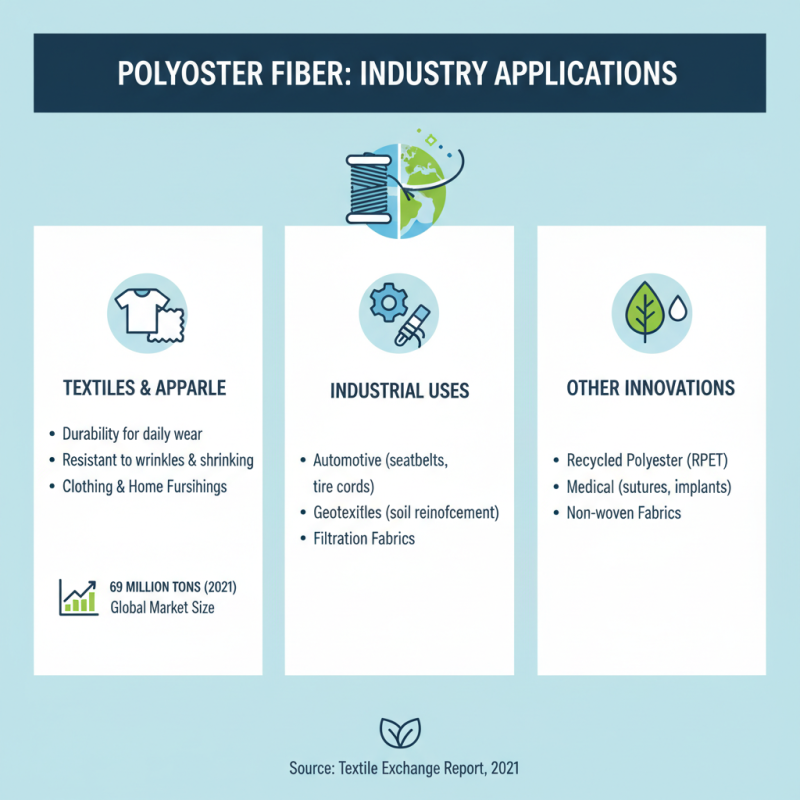
Polyester fiber is a versatile material widely used across various industries. Its durability makes it a top choice in textiles. According to a report by the Textile Exchange, the global polyester fiber market reached 69 million tons in 2021. Its resistance to wrinkles and shrinking makes it ideal for clothing and home furnishings.
In the automotive industry, polyester is used in seat covers and insulation. The Global Automotive Textile Market is expected to grow by over 5% annually, driven by the rise in vehicle production. Cosmetic bags and accessories made from polyester are gaining traction due to their lightweight and water-resistant properties.
**Tips:** Consider the environmental impact of polyester. Recycling options are important for sustainability. Explore partnerships with suppliers committed to recycled polyester. Think about the evolving marketplace. Engage with customers about their preferences for durable and eco-friendly materials. This tapping into consumer trends can boost your brand's credibility.
Polyester's applications also extend to the construction industry. It is utilized in roofing materials and insulation, providing durability and energy efficiency. However, the awareness of its plastic content raises concerns about pollution and waste. Balancing performance and environmental responsibility is crucial for businesses.