Top 10 Benefits of Using Recycled Fabric for Sustainable Fashion?
In the world of sustainable fashion, the use of recycled fabric is gaining momentum. According to Dr. Jane Thompson, a leading expert in sustainable textiles, "Recycled fabric isn't just a trend; it’s a necessity for our planet." This statement emphasizes the urgent need to adopt eco-friendly practices in the fashion industry.
Recycled fabric is made from post-consumer materials, such as plastic bottles, old garments, or other textiles. This process significantly reduces waste and conserves natural resources. For instance, creating a recycled polyester shirt can save up to 60% of the energy needed compared to producing a new garment. Such details challenge the common belief that fashion must be new to be desirable.
However, there are challenges in integrating recycled fabric into mainstream fashion. Not all consumers are aware of its benefits. Quality and availability can also be inconsistent, leading to skepticism among designers. People often cling to traditional materials, viewing them as superior. Thus, a shift in mindset is crucial for the future of sustainable fashion.
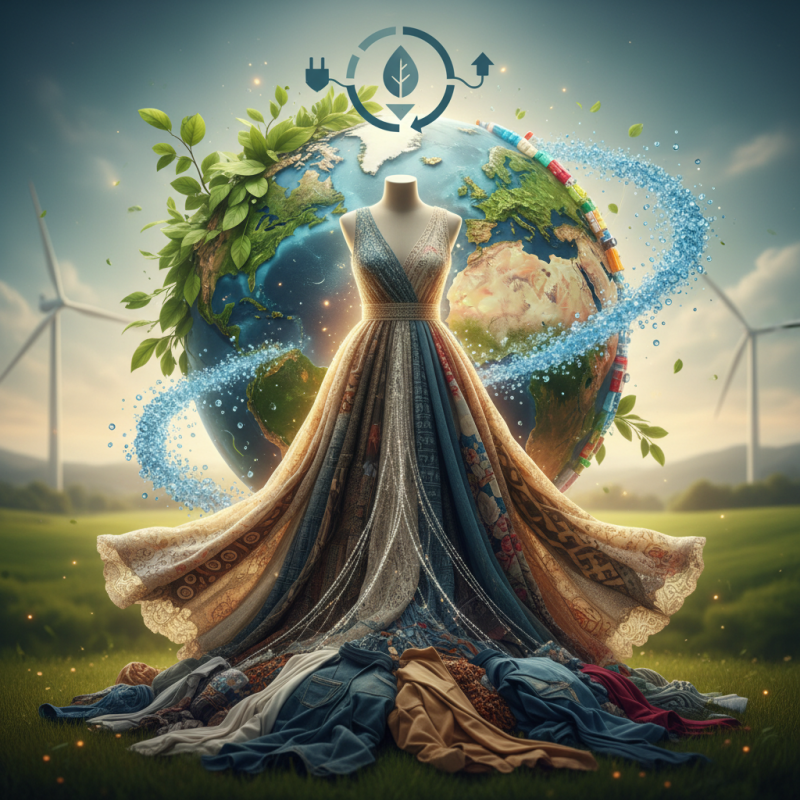
Benefits of Recycled Fabric in Reducing Environmental Impact
Recycled fabric plays a crucial role in sustainable fashion, particularly in reducing environmental impact. By utilizing materials that would otherwise end up in landfills, we significantly minimize waste. Recycling fabric can lower greenhouse gas emissions. It also decreases energy consumption compared to producing new fibers. This transition is essential as fashion contributes to a substantial amount of pollution.
Moreover, the use of recycled fabric supports sustainable resource management. It lessens the demand for virgin materials, which often leads to habitat destruction. However, recycling processes are not flawless. They can involve chemicals that may harm the environment if not managed properly. It's an area that requires continuous improvement and reflection.
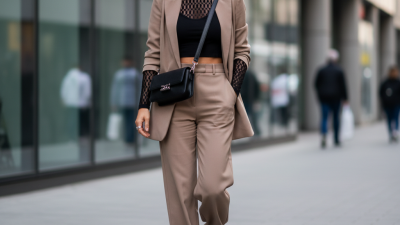
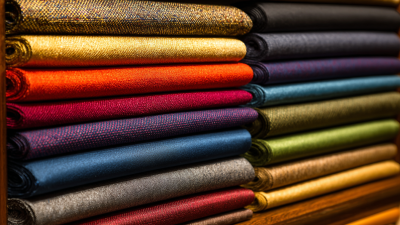
Additionally, recycled fabrics can possess unique textures and aesthetics. This offers designers new avenues to explore creativity. But not all recycled materials are of high quality. Some may lack durability or finish. It's important to be critical about the sources and processes behind these fabrics. Ultimately, recycled fabric can pave the way for a more sustainable future, but we must remain vigilant about its challenges.
Economic Advantages of Using Recycled Materials in Fashion Industry
The fashion industry is undergoing a significant transformation. Using recycled fabrics can lead to considerable cost savings. Production processes for recycled materials are often less energy-intensive. This translates to reduced operational costs for companies. Furthermore, the availability of recycled fabrics can alleviate supply chain pressures.
Investing in recycled materials can enhance a company's brand value. Consumers are increasingly seeking sustainable practices. By adopting eco-friendly materials, brands can attract a more conscious customer base. However, sourcing high-quality recycled fabrics poses challenges. Not all recycled materials offer the same durability or aesthetic appeal. Brands need to evaluate quality versus sustainability carefully.
Market trends suggest a growing demand for transparency. Consumers want to know where their clothes come from. This creates an opportunity for brands to educate their audience about sustainable practices. Yet, the transition to fully recycled lines may not happen overnight. It's a complex process, often requiring innovation and adaptation. Companies must continuously assess their strategies and be open to feedback.
Social Responsibility and Ethical Production through Recycled Fabrics
Using recycled fabric is a step toward ethical fashion. It reduces waste and pollution. Yet, the journey has its challenges. Many recycled fabrics are not as strong as new materials. This raises questions about durability and longevity.
Social responsibility should be at the heart of fashion. Recycled fabrics often come from discarded clothes. This process gives new life to materials, saving water and energy. However, the production methods vary widely. Some processes still rely on harmful chemicals. It's vital to seek transparency from manufacturers.
Choosing recycled materials also impacts communities. Jobs in recycling can uplift societies. Yet, many workers in this sector face poor conditions. Ethical fashion demands we advocate for fair treatment. The goal is not just sustainability, but also justice for those involved. This means supporting practices that value both our planet and its people.
Enhanced Quality and Durability of Recycled Textile Products
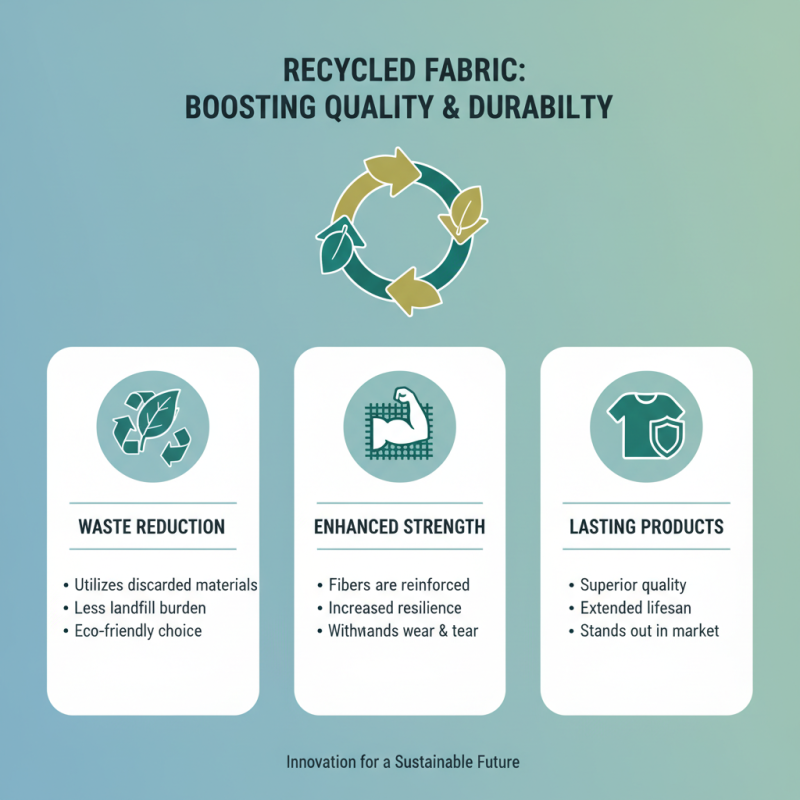
Recycled fabric significantly enhances the quality and durability of textile products. By utilizing materials that would otherwise become waste, designers create items that stand out. The process of recycling often strengthens the fibers, leading to products that can endure more wear and tear.
The journey of recycled textiles involves careful selection and processing. This can mean mixed results in quality. Some recycled fabrics may not meet the high standards expected, requiring brands to be more mindful of their sourcing. Yet, when high-quality materials are used, the outcome is remarkable.
Durability is essential in sustainable fashion. Items made from recycled fabrics generally require less frequent replacement. This reduces waste over time and challenges the fast fashion norm. However, consumers must remain skeptical and informed, as not all recycled fabrics guarantee long-lasting performance. Understanding the materials and their origins can make a substantial impact on the sustainability of one’s wardrobe.
Innovative Design Opportunities with Recycled Fabric in Fashion
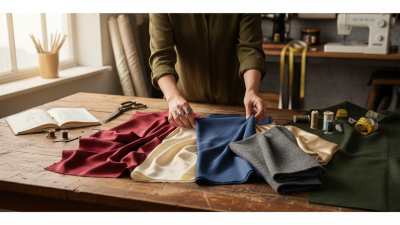
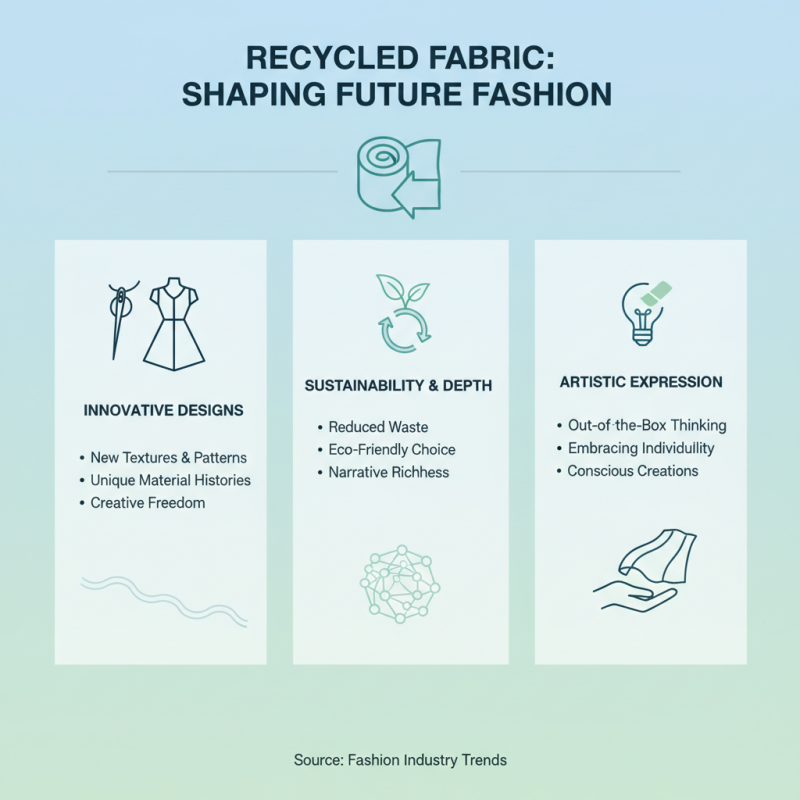
Recycled fabric is making waves in the fashion world. Its potential for innovative designs is vast. Fashion designers are experimenting with various textures and patterns that recycled materials can bring. These fabrics often carry unique histories, adding depth to new creations. This encourages artists to think outside the box and embrace individuality.
The journey of fabric can lead to surprising results. A discarded plastic bottle can transform into eye-catching apparel. What might seem like trash is reimagined into stunning pieces. Yet, this creativity requires a shift in mindset. Designers must confront their biases about the aesthetics of recycled materials. Not every attempt at innovation is successful. Many designs may miss the mark, prompting a reevaluation of techniques and materials.
There’s beauty in the flaws as well. Each piece tells a story of sustainability, but imperfections can be embraced. Perhaps the stitching isn’t perfect, or the dyeing is uneven. These little quirks can add character. Fashion created from recycled fabric can breathe new life into the industry. It pushes boundaries and challenges norms, inviting further exploration.