What Is the Best China Lining Fabric for Global Buyers?
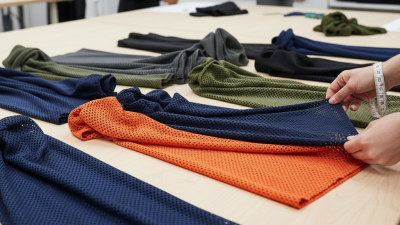
What makes the best China Lining Fabric for global buyers? The answer is rarely a single material or finish. In real sourcing work, polyester, viscose, acetate, and blended options solve different problems. Lightweight polyester may support affordable jackets and steady production. Viscose can offer a softer hand, though moisture and crease performance require closer review. Acetate often feels refined, but its price and care needs may limit its use. There is no universal winner.
Reliable decisions begin with the garment, not the supplier’s product list. A buyer should match Lining Fabric to shell weight, garment structure, wearing conditions, and target retail position. Check GSM, width, colorfastness, shrinkage, seam slippage, abrasion resistance, and pilling. Ask for lab dips and bulk samples. Rub the lining against a dark wool shell under bright inspection light. Small defects become expensive claims. Experienced teams also review fiber composition, restricted-substance declarations, traceability, packing details, and delivery records. Requirements differ across markets, so current local rules and buyer standards need verification. Certifications can help, but they do not replace physical testing. This is where judgment matters. Some buyers choose the cheapest roll and discover poor static control during packing. Others over-specify performance and lose margin. A practical shortlist should compare cost, comfort, durability, appearance, and supply consistency. China offers broad manufacturing capability, yet factory capacity and quality systems vary. Independent testing and documented approvals improve confidence. I have seen a promising sample fail after repeated laundering. That mistake is easy to overlook. The best choice is the lining that performs reliably in its intended garment, at an acceptable total cost, with evidence supporting every claim.

What Is China Lining Fabric and Why Does It Matter?
China lining fabric is the inner layer placed inside jackets, coats, trousers, skirts, and bags. It covers seams, improves movement, and protects the outer shell from friction. Common options include polyester, viscose, acetate, nylon, cotton, and blended constructions. Each choice changes comfort, weight, cost, and care requirements.
This layer matters more than its hidden position suggests. A smooth lining helps sleeves slide over shirts. A breathable structure can reduce sticky discomfort in warm conditions. Stronger lining can also protect the garment during repeated wear. Textile Exchange’s Materials Market Report 2024 estimates global fiber production reached 124 million tonnes in 2023. It may rise to 160 million tonnes by 2030. UNEP also estimates that textile waste reaches about 92 million tonnes annually. These figures make material selection harder, not simpler.
Tips: Test a fabric swatch against the shell. Check snagging, seam slippage, color transfer, and static after washing. Ask suppliers for fiber composition and test records. Do not judge lining only by softness. A very soft surface may wear quickly. Recycled content can support sourcing goals, but it does not automatically guarantee durability. The data also has limits. Recycling definitions differ across reports, and factory-level verification is not always complete. Global buyers should compare performance evidence with sustainability claims. A practical decision may require compromise. Lower cost, lighter weight, and longer service life rarely arrive together.
What Certifications and Supplier Standards Should Global Buyers Check?
For global buyers, the best China lining fabric starts with verifiable supplier controls, not attractive samples alone. Request current certificates and check the issuing body, factory address, product scope, and expiry date. A certificate covering yarn production may not cover finished lining fabric. Ask for the scope.
OEKO-TEX Standard 100 can help verify harmful-substance testing for the finished material. GRS is relevant when recycled fibers and chain-of-custody records matter. ISO 9001 indicates quality-management processes, while ISO 14001 focuses on environmental management. These standards support trust, but they do not replace product testing. Paperwork is not proof.
Request a recent test report for each fabric construction or production batch. Check GSM, width, shrinkage, colorfastness, pH, formaldehyde, and restricted substances. For apparel linings, test rubbing against light-colored garments and inspect seam slippage after washing. Supplier audits should review incoming-fiber records, calibration logs, defect handling, and worker safety procedures. Traceability should reach the dyeing and finishing stages.
I have seen polished documents fail to explain a shade change between two shipments. That gap deserves attention. Ask for sealed sample cards, production references, and a corrective-action record when defects occur. Video calls are useful, but an independent factory audit gives stronger evidence. Buyers should also confirm whether the laboratory is competent for the requested tests, because a familiar-looking report can still have limited value.
For lining-fabric sourcing, buyers should verify both product safety and supplier-management credentials. OEKO-TEX STANDARD 100 and GRS certificates are typically renewed annually, while ISO 9001 and ISO 14001 certificates commonly follow a three-year certification cycle with regular surveillance audits. Always confirm the certificate number, scope, covered facility, expiry date, and audit status directly with the issuing organization.
How Can Global Buyers Choose the Right China Lining Fabric Supplier?
The best China lining fabric depends on the garment’s use, not only its price. Polyester lining suits uniforms and daily jackets because it offers stable dimensions and easy care. Viscose feels softer and improves drape, but it can wrinkle more easily. For premium tailoring, acetate may provide a smoother touch, although it usually requires tighter cost control.
Supplier selection needs evidence. Textile Exchange’s Materials Market Report 2024 states that global fiber production reached about 124 million tonnes in 2023. It may reach 160 million tonnes by 2030. This growth increases pressure on traceability and responsible sourcing. Ask suppliers for fiber composition records, recent test reports, factory audit results, and batch-level color data. Check abrasion, shrinkage, colorfastness, and seam-slippage performance under ISO methods. A polished sample is not enough. I have seen attractive lining fail after repeated dry cleaning.
Tips: Request three production samples, not one. Compare the face, reverse side, GSM, and width. Test a sewn pocket and sleeve. Confirm whether the quoted price includes inspection, packing, and export documents. The International Trade Centre also emphasizes reliable trade data and supplier verification when assessing sourcing markets. Use that principle here: compare several factories using the same specification sheet. A supplier that answers slowly may still produce well, but unclear answers create expensive risks. Small details matter.