2026 Best Fabric Cotton Polyester Choices for Your Projects?
When it comes to choosing fabrics for a variety of projects, Fabric Cotton Polyester stands out as a top choice. Renowned textile expert Dr. Jane Miller states, "The blend of cotton and polyester creates durability while retaining softness." This blend offers versatility for apparel, home decor, and more.
In the world of crafting, selecting the right fabric can make or break a project. Fabric Cotton Polyester combines the best of both worlds. Cotton brings breathability and comfort, while polyester adds strength and resilience. However, not every combination of these fibers is created equal. Quality can vary widely, and it's essential to scrutinize labels and characteristics.
Furthermore, while many praise Fabric Cotton Polyester for its affordability, this may raise concerns about environmental impacts. Fast fashion has led to a rise in synthetic fabrics, often contributing to pollution. Thus, conscious choices are necessary. The journey to finding the ideal fabric requires both research and reflection on what truly matters in sustainable practices.
Understanding the Properties of Cotton and Polyester Fabrics
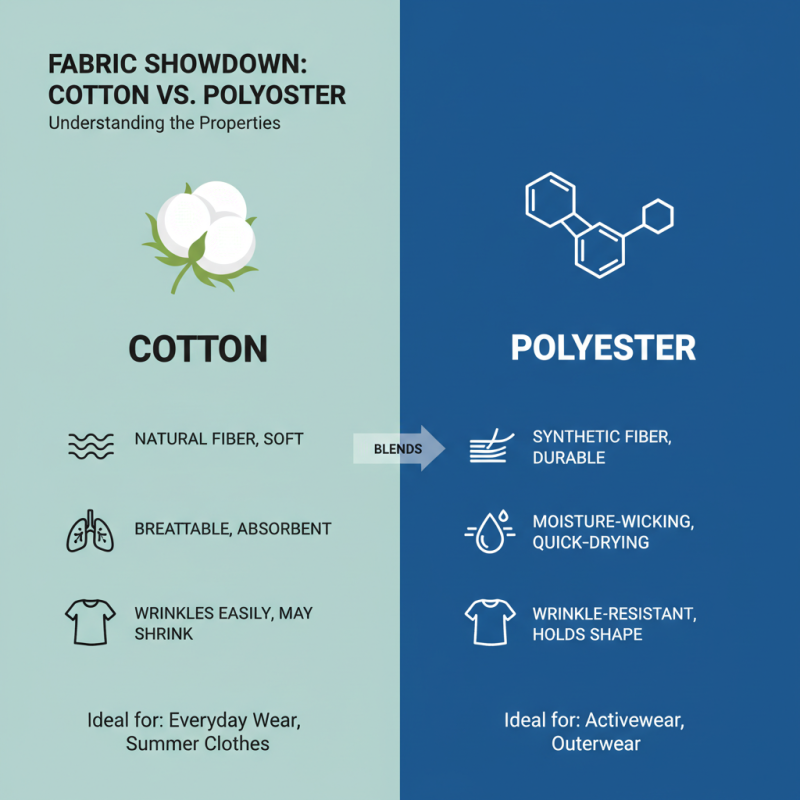
When choosing fabrics for projects, understanding cotton and polyester is crucial. Cotton is a natural fiber known for its softness and breathability. It feels good against the skin and is perfect for everyday wear. Its absorbent quality makes it ideal for summer clothes. However, cotton can wrinkle easily and may shrink when washed. You’ll need to consider these characteristics when selecting cotton for your designs.
On the other hand, polyester is a synthetic fiber. It is durable and resistant to stretching and shrinking. This makes it a great choice for items that need to hold their shape, like activewear or structured garments. Polyester dries quickly, which is beneficial for outdoor activities. However, it lacks the breathability of cotton, potentially leading to discomfort in hot weather. Ultimately, both fabrics have their pros and cons. Knowing how they behave can help you make better decisions for your projects.
Comparing the Benefits of Cotton vs. Polyester for Projects
When tackling fabric choices, cotton and polyester often come to mind. Cotton is known for its breathability and softness. According to the Cotton Incorporated Lifestyle Monitor, 76% of consumers prefer cotton for everyday wear. Its natural fibers provide comfort and are biodegradable. However, cotton can be prone to fading and shrinking, which may require careful care.
On the other hand, polyester is durable and resistant to wrinkles. A report from the Textile Research Journal indicates that polyester retains color well, making it ideal for vibrant projects. However, while polyester is strong, it lacks the same breathability as cotton. This can lead to discomfort in warm weather. Many people worry about the synthetic nature of polyester, raising concerns about its environmental impact.
Choosing between these fabrics ultimately depends on your project goals. If you need something soft for a child’s apparel, cotton shines. However, for outdoor gear where durability is key, polyester may win out. Reflecting on the intended use can lead to a more informed decision. Balancing comfort, longevity, and environmental consciousness deserves careful thought in every fabric choice.
Choosing the Right Cotton-Polyester Blend for Your Needs
When selecting a cotton-polyester blend, consider the weight and texture.
Heavier fabrics provide durability.
Lighter options offer breathability. The blend ratio is key too.
A 60/40 cotton-polyester mix is commonly used. It balances softness with wrinkle resistance.
Tips: Test a fabric sample before purchasing.
This helps understand how it feels and drapes. Don’t forget to check for colorfastness.
Some fabrics fade after washing. Pay attention to the intended use of the fabric.
A blend that works for clothing may not suit upholstery.
Keep in mind that not all blends are created equal. Some may feel stiff while others are soft.
Always consider your project needs.
Reflect on your previous experiences. Did you choose a fabric just for looks?
Choose wisely this time.
Tips for Working with Cotton-Polyester Fabrics in Projects
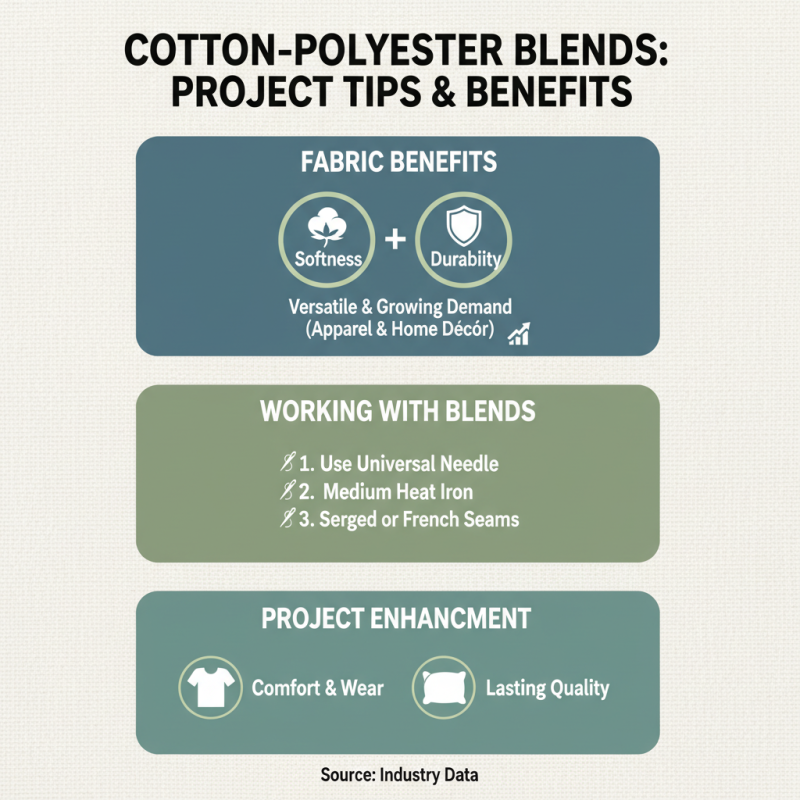
When working with cotton-polyester fabrics, specific techniques can enhance your project. These blended materials combine the softness of cotton with the durability of polyester. This combination is gaining traction in various sectors, particularly in the apparel and home décor industries. According to industry data, the global demand for cotton-polyester blends is expected to grow significantly, highlighting their versatility.
Tip 1: Always pre-wash your fabric. This step helps prevent shrinkage and color bleeding. It’s a simple action that can save time in the long run.
Tip 2: Use the right needle. A universal needle works for most projects. However, specialized needles can help you navigate specific challenges, such as sewing thicker layers. Inexperience can lead to needle breakage or uneven stitches.
Handling these fabrics requires care. Cotton-poly blends can slip or shift during sewing. This is especially true for lighter weights. Adjusting tension and using a walking foot can mitigate these issues. Remember, even small mistakes can lead to larger problems later. Patterns may not align correctly, affecting the final presentation.
Consider re-evaluating your process if you find consistent issues. Experimenting with different techniques can lead to better outcomes. Embrace the learning curve to improve your skills and results.
Care Instructions for Maintaining Cotton and Polyester Fabrics
Caring for cotton and polyester fabrics is crucial for maintaining their quality and longevity. Cotton is breathable and comfortable, while polyester offers durability and wrinkle resistance. According to a recent industry report, nearly 60% of consumers prefer a blend of these two materials for everyday clothing. This combination retains the benefits of both fibers.
To keep your fabrics looking fresh, always check the care label before washing. Machine wash cotton-polyester blends in cold water to prevent shrinking. Use gentle detergent to avoid harsh chemicals that can damage fibers. Air drying is ideal; it preserves the fabric’s structure and color. However, if you must use a dryer, choose a low heat setting.
Tips: Avoid overloading the washing machine. This can lead to ineffective cleaning. For stains, treat them promptly with a suitable stain remover. This can minimize the chances of permanent marks. Remember to iron polyester on a low setting or use a steam option to avoid melting the fibers.
Reflection: Many people neglect care instructions. They assume all fabrics are alike. Misunderstanding care can lead to faded colors or damaged fabrics. Staying informed about proper maintenance is essential for the longevity of your wardrobe choices.