Best Garments Fabric Suppliers in China for Global Buyers?
In the rapidly evolving world of fashion, the choice of garments fabric can make or break a brand’s appeal. China, as a leading textile hub, offers a diverse range of suppliers eager to meet global demands. However, navigating this landscape can be challenging for international buyers. It's essential to find reliable suppliers who can deliver quality fabrics consistently.
Understanding the complexities of sourcing garments fabric from China is vital. Each supplier may specialize in different materials, from cotton to synthetic blends. Buyers must assess not only the quality but also the supplier’s reputation and experience in the industry. Some suppliers may promise exceptional prices, but hidden costs can arise, leading to disappointment.
Choosing the right garments fabric supplier can directly impact a brand's success. Quality fabrics ensure customer satisfaction and brand loyalty. Therefore, selecting trustworthy partners in China is critical. Though the process can be daunting, it is a necessary step for those looking to thrive in the competitive global garment market.
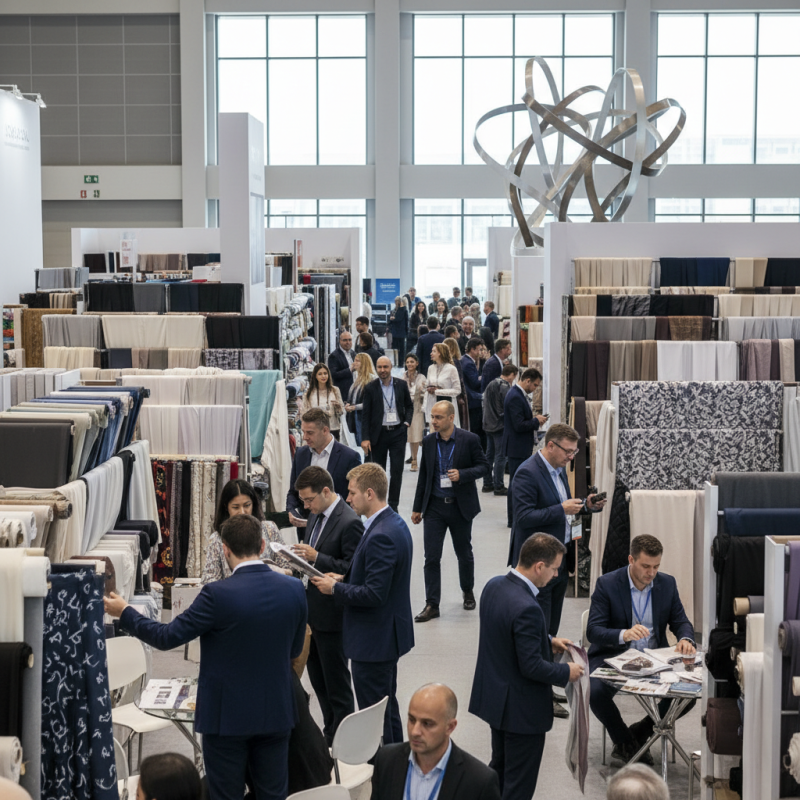
Overview of China's Garment Fabric Industry
China's garment fabric industry plays a crucial role in global supply chains. With a vast range of materials, from cotton to synthetic blends, it caters to diverse markets. Manufacturers here focus on quality and durability. However, maintaining standards can be a challenge.
The industry faces issues like environmental impact and ethical labor practices. Many suppliers are working to improve sustainability. Still, consumers must do their homework. Transparency varies among providers. Key factors include fabric innovation and production methods. Buyers should verify certifications for quality assurance.
Networking within local trade shows can offer valuable insights. Engaging directly with suppliers allows buyers to assess capabilities. This hands-on approach fosters stronger partnerships. Despite challenges, China remains a top choice for garment fabrics. The right connections can lead to fruitful collaborations.
Key Factors to Consider When Selecting Fabric Suppliers
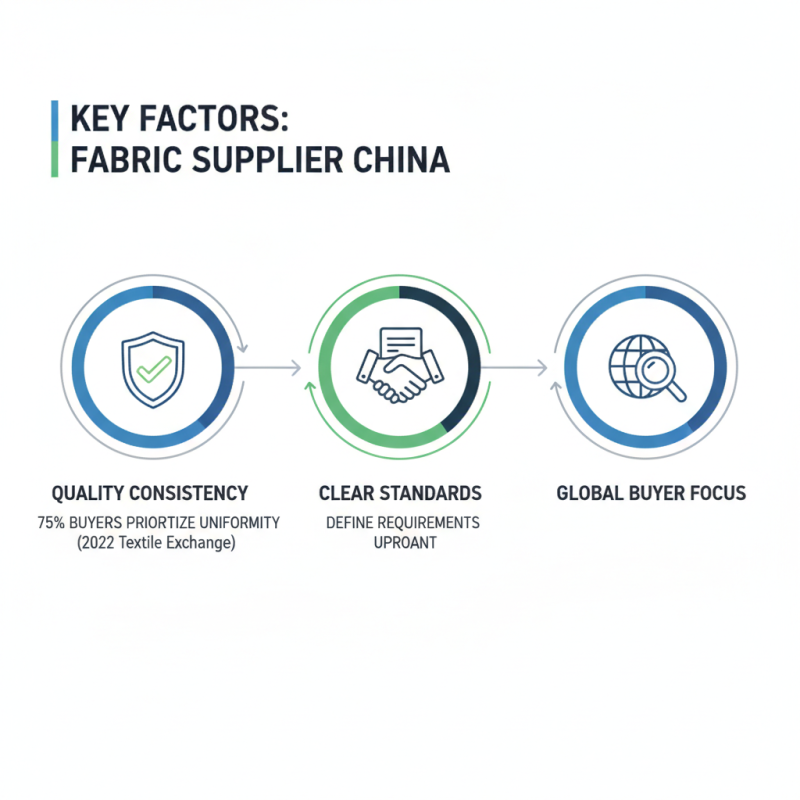
When selecting fabric suppliers in China, global buyers should consider several crucial factors. Quality consistency plays a vital role. According to a 2022 report by the Textile Exchange, 75% of buyers prioritize the uniformity of fabric quality across batches. Buyers need to establish clear quality standards upfront, ensuring the supplier comprehensively understands their requirements.
Another essential factor is production capacity. Suppliers must meet demand fluctuations, especially for large orders. A report by Statista states that the textile industry in China is projected to grow at a CAGR of 5.3% from 2022 to 2027. This indicates robust production capabilities in many firms. Buyers should visit factories, if possible, to assess their mechanisms and capabilities firsthand.
Communication is also critical in any partnership. Clear conversations prevent misunderstandings and help in troubleshooting issues swiftly. A survey revealed that 40% of buyers faced challenges due to poor communication with suppliers. It’s beneficial to implement a system for regular updates and feedback. This approach ideally strengthens collaboration but can demand constant adjustments and improvement. Understanding these factors assists buyers in making informed decisions, leading to successful partnerships and better product outcomes.
Top Garment Fabric Suppliers in China: A Detailed Analysis
China has emerged as a leading hub for garment fabric suppliers. The vast range of materials available is impressive. From cotton and linen to synthetic blends, each offers unique qualities. This diversity meets various global standards. However, navigating these options can be challenging for buyers.
Many suppliers showcase exceptional capabilities. They often possess advanced dyeing and finishing technologies. Yet, quality can vary significantly. Buyers must perform due diligence. Visiting factories and requesting samples is crucial. This way, they can assess craftsmanship firsthand. Communication is vital as well. Suppliers need to understand specific requirements.
Sustainability is another important consideration. Some suppliers focus on eco-friendly materials. But the market is not uniform. Buyers should research suppliers' practices thoroughly. Understanding these nuances can lead to better partnerships. The right fabric supplier can elevate a brand's identity. Choosing wisely is essential in today's competitive landscape.
Tips for Establishing Partnerships with Chinese Suppliers
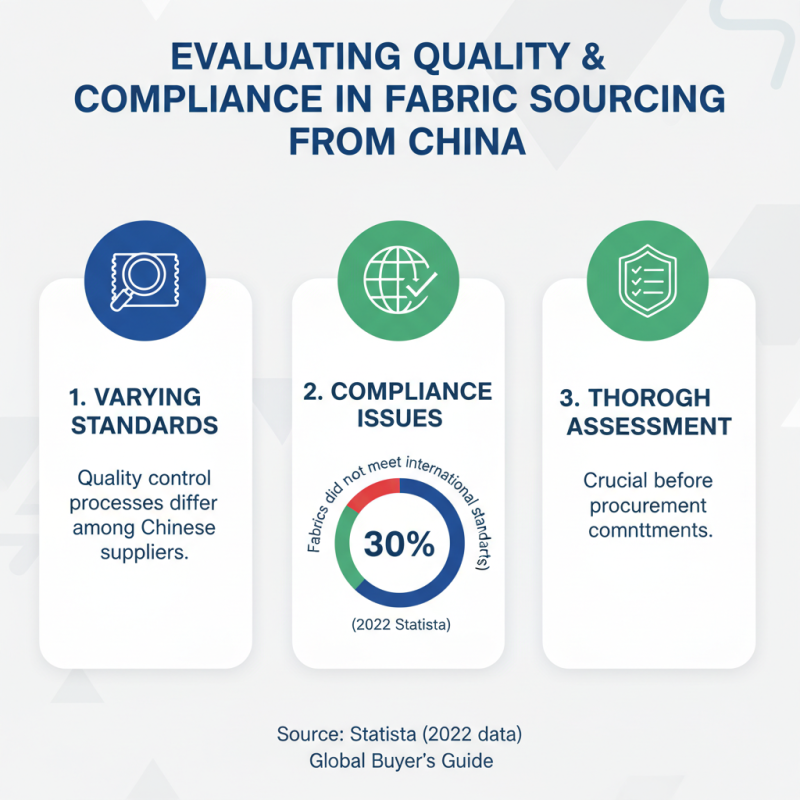
Establishing partnerships with Chinese suppliers requires careful consideration. Start by researching potential suppliers thoroughly. Look at their industry experience and customer feedback. Reliable suppliers should have a solid track record of quality and service. Check their certifications to ensure compliance with international standards.
Once you identify potential partners, initiate communication. Be clear about your expectations and requirements. This will help in avoiding misunderstandings later. Asking specific questions demonstrates your interest and establishes credibility. Engaging in video calls can add a personal touch, enhancing trust.
Remember that building relationships takes time. Be patient and willing to negotiate. Flexibility is essential in these discussions. Cultural differences may arise, so approach each conversation with respect. Focus on creating win-win situations that benefit both parties. Reflect on your negotiation style and be prepared to adjust. This adaptive approach can lead to successful long-term partnerships with Chinese suppliers.
Top Fabric Suppliers in China by Type