10 Best Jersey Knit Fabrics for Ultimate Comfort and Style
In the world of fashion and comfort, few fabrics can compete with the versatility of Jersey Knit. Renowned for its soft texture and incredible stretch, Jersey Knit has become a popular choice among designers and consumers alike. As fabric expert Dr. Angela Thompson states, "Jersey Knit fabric is not only about style; it embodies comfort, making it the perfect choice for everyday wear." This observation highlights the essence of why Jersey Knit remains a staple in wardrobes across generations.
With an array of options available in the market, selecting the best Jersey Knit fabrics can be a challenging task. From casual tees to elegant dresses, the drape and feel of the fabric can significantly impact the overall look and comfort of the garment. Therefore, understanding the different types of Jersey Knits is essential for both professionals in the fashion industry and sewing enthusiasts at home. In this article, we explore the ten best Jersey Knit fabrics that promise to elevate your style while ensuring maximum comfort. Prepare to discover the perfect blend of functionality and aesthetic appeal that only Jersey Knit can offer.
The Versatility and Popularity of Jersey Knit Fabrics in Fashion
Jersey knit fabrics have become a staple in the world of fashion, celebrated for their versatility and comfort. Originally derived from a blend of cotton and synthetic fibers, this fabric offers a soft, stretchy texture that molds beautifully to the body, making it an ideal choice for both casual and more polished garments. The lightweight nature of jersey knit allows for ease of movement, and this adaptability has led to its widespread use in everything from basic tees and leggings to chic dresses and loungewear.
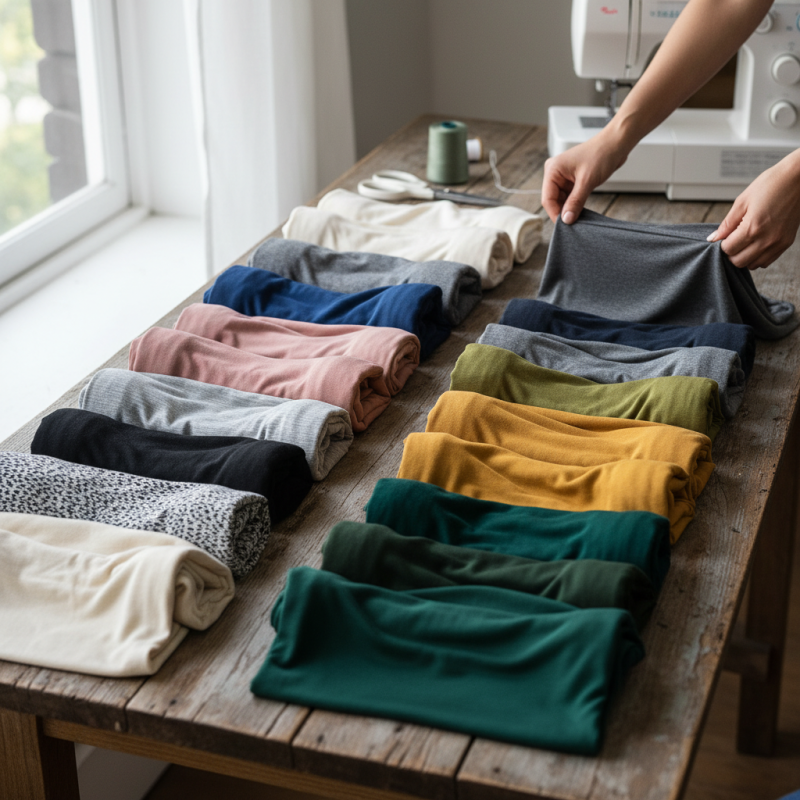
The appeal of jersey knit goes beyond comfort; its ability to drape elegantly enhances the silhouette of any outfit. Available in a myriad of colors and patterns, jersey fabric allows for endless creativity in design. Whether incorporating vibrant prints for summer wear or opting for muted tones for a sophisticated look, the options are virtually limitless. This fabric’s inherent stretch and breathability make it a favored choice among designers, enabling them to create pieces that not only look great but also feel great, meeting the demands of modern lifestyles.
As fashion continues to evolve, the popularity of jersey knit continues to rise, solidifying its place as a quintessential fabric in contemporary wardrobe essentials.
Key Characteristics of High-Quality Jersey Knit Fabrics
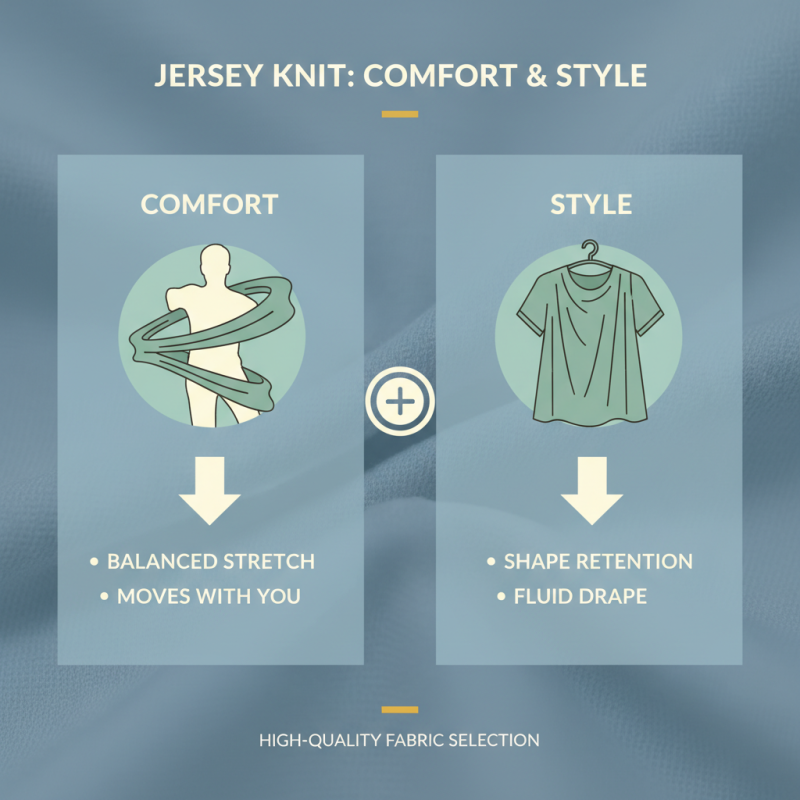
When it comes to selecting high-quality jersey knit fabrics, there are several key characteristics that contribute to both comfort and style. Firstly, the fabric's stretchability is paramount. A top-tier jersey knit should possess a balanced amount of elasticity, allowing it to conform to the body while maintaining its original shape. This flexibility ensures that the fabric moves with the wearer, providing unparalleled comfort, whether it's for casual wear or active lifestyle pieces.
Another critical aspect is the fabric's breathability. High-quality jersey knits often feature a finer, softer weave that promotes air circulation, making them ideal for warmer climates or physical activities. This breathability not only enhances comfort but also helps to regulate body temperature. Moreover, the softness of the fabric against the skin is an essential attribute, as higher-quality fibers provide a luxurious feel, reducing irritation and enhancing wearability throughout the day. Choosing jersey knits that exhibit these characteristics will result in stylish, comfortable garments that are perfect for any wardrobe.
Top 10 Jersey Knit Fabrics for Different Clothing Styles
When it comes to choosing the right jersey knit fabric for various clothing styles, comfort and versatility are paramount. Jersey knit fabrics, known for their soft stretch and breathability, cater to a wide range of apparel from casual wear to activewear. According to a report by the Textile Industry Association, jersey knits account for over 25% of the fabric market due to their increasing demand in fashion, underscoring their significance in modern wardrobe staples.
For casual wear, lightweight cotton jersey is an enduring favorite, providing excellent comfort for t-shirts and dresses. Meanwhile, for more structured designs, interlock knits offer a heavier weight with minimal see-through, making them ideal for fitted tops or layering pieces. Athletic apparel often utilizes performance jersey fabrics, which wick moisture and provide a snug fit, as highlighted in recent studies showing that consumers prioritize moisture-wicking properties in activewear by over 60%.
**Tip:** When selecting your jersey knit fabric, consider the intended use. Look for blends, such as cotton-polyester, for durability and ease of care in everyday items, or opt for rayon blends for a softer drape in more formal attire. Always check for fabric weight and stretch to ensure the best fit for your desired pattern.
How Jersey Knit Fabrics Enhance Comfort and Movement in Fashion
Jersey knit fabrics have long been celebrated for their exceptional comfort and versatility, making them a staple in contemporary fashion. The unique structure of jersey knit—characterized by its stretchiness and softness—enables garments to move effortlessly with the body. This flexibility is particularly important in activewear and casual clothing, where the need for unrestricted motion is paramount. Whether it’s for a cozy t-shirt or a figure-flattering dress, jersey knit ensures that wearers can maintain their mobility without sacrificing style.
Moreover, the breathable nature of jersey knit fabrics enhances their appeal, making them suitable for various climates and activities. They wick moisture away from the skin and provide a comfortable fit that adapts to different body shapes. Designers often choose jersey knit for its draping qualities, allowing for creative silhouettes that flatter the figure while ensuring ease of wear. As a result, these fabrics not only offer comfort but also bring a chic element to everyday outfits, reflecting the modern consumer's desire for both functionality and aesthetic appeal.
Sustainability Considerations in Jersey Knit Fabric Production
The production of jersey knit fabrics poses significant sustainability challenges, with the textile industry accounting for approximately 10% of global carbon emissions, according to the United Nations Environment Programme. Traditional jersey knit fabrics are often made from synthetic fibers, which are derived from petroleum and contribute to the depletion of fossil fuels and environmental pollution. Moreover, the dyeing and finishing processes of these fabrics can release harmful chemicals into waterways, endangering aquatic ecosystems. As consumer demand for sustainable fashion continues to rise, manufacturers are increasingly adopting eco-friendly practices and sourcing organic materials to minimize their ecological footprint.
To enhance sustainability in jersey knit fabric production, here are some tips to consider:
- Firstly, opt for fabrics made from organic cotton or recycled fibers, which reduce reliance on new raw materials and significantly lower water consumption.
- For instance, organic cotton requires 91% less water than conventional cotton, making it a much more resource-efficient choice.
- Secondly, look for certifications such as Global Organic Textile Standard (GOTS) or OEKO-TEX, which ensure that the fabric meets stringent environmental and social criteria.
- Lastly, consider the longevity of the fabric; investing in high-quality jersey knits that withstand wear and washing will lead to less frequent replacements and a reduced overall environmental impact over time.
Embracing these principles can not only lead to
more environmentally friendly choices but also contribute to a more sustainable fashion industry.