What are the Best Lining Textiles for Global Buyers?
Lining textiles play a crucial role in the global fashion industry. They enhance the fit, comfort, and longevity of garments. According to a recent report by the Textile Association, the global lining textile market is expected to grow by 3.5% annually through 2025. It reflects the increasing demand for quality materials across various markets.
Industry expert Dr. Mark Linton states, “The choice of lining textiles significantly affects the overall garment quality.” This underscores the necessity for global buyers to understand their options thoroughly. Various materials, such as silk, polyester, and cotton, each offer unique benefits and challenges. Buyers must consider factors like breathability, cost, and sustainability.
Global sourcing demands a nuanced understanding of regional trends. Some suppliers may prioritize cost over quality. This can lead to challenges in maintaining consistent product standards. As always, a balance between quality and price is essential. The right lining textile can determine the success of a garment in a competitive market. Understanding these complexities is vital for making informed choices in today’s textile landscape.
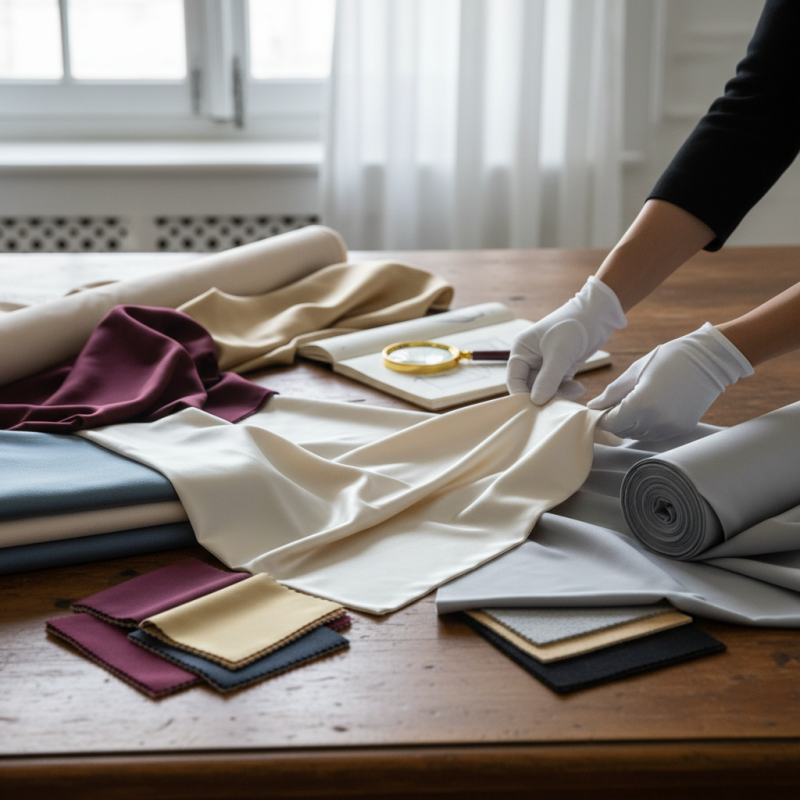
Best Lining Textiles: An Overview of Popular Options
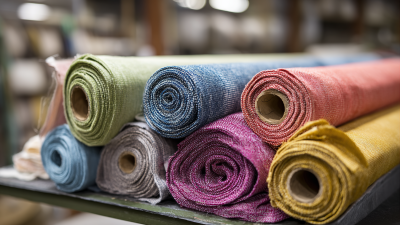
Selecting the right lining textiles is crucial for the global market. Various fabrics can enhance the functionality and aesthetic of garments. Cotton, polyester, silk, and nylon are among the most popular options. Cotton linings are breathable and comfortable. They are ideal for casual wear and summer clothing. A report by the Textile World states that cotton remains a leading choice, accounting for about 30% of the global fabric market.
Polyester is another widely used textile. Its durability and wrinkle resistance make it favorable for outerwear. It is often blended with other fibers to improve performance. The Material Innovation Initiative highlighted that polyester’s market share is projected to grow by 5% annually. This growth is driven by its versatility in various applications.
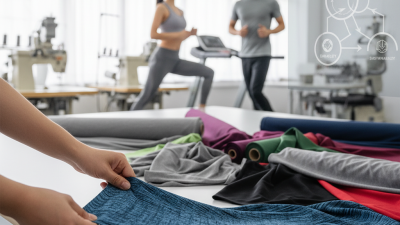
Silk linings offer luxury and elegance, often seen in high-end fashion. However, they require delicate handling and may not suit all products. Nylon, known for its strength and elasticity, is commonly used in sportswear. While each fabric has unique benefits, buyers must assess the cost and maintenance challenges. Balancing quality and expenditure can be difficult, making informed choices essential.
What are the Best Lining Textiles for Global Buyers? - Best Lining Textiles: An Overview of Popular Options
| Textile Type |
Composition |
Weight (g/m2) |
Use Case |
Color Options |
| Polyester |
100% Polyester |
60 |
General Apparel |
Various |
| Nylon Taffeta |
100% Nylon |
50 |
Outdoor Gear |
Solid Colors |
| Cotton Sateen |
97% Cotton, 3% Spandex |
120 |
Dress Linings |
Pastels and Dark Shades |
| Viscose |
100% Viscose |
80 |
High-End Apparel |
Rich Colors |
| Silk Satin |
100% Silk |
50 |
Luxury Garments |
Various |
Key Factors to Consider When Choosing Lining Textiles
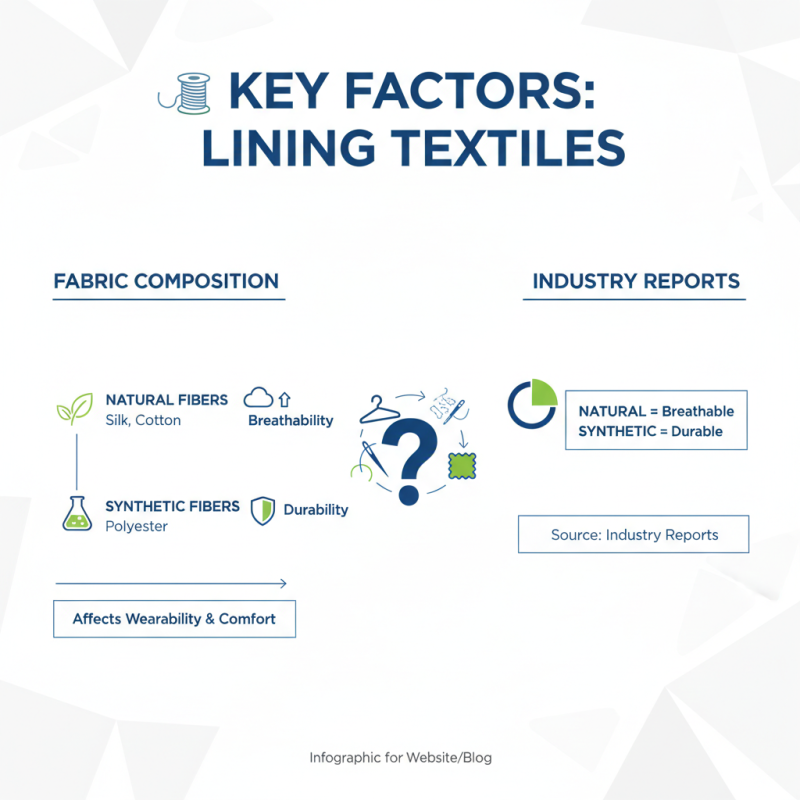
When choosing lining textiles, several key factors play a crucial role. First, understanding fabric composition is essential. According to industry reports, natural fibers like silk and cotton offer breathability. In contrast, synthetic options such as polyester provide durability. Each material affects wearability and comfort in unique ways.
The weight of the fabric also matters significantly. Lighter fabrics, weighing around 100 grams per square meter, may suit summer garments. Heavier options, closer to 400 grams, work well for outerwear. Selecting the wrong weight can lead to discomfort or lack of functionality.
Finally, consider environmental impact. Recent studies indicate that eco-friendly textiles are gaining traction, with a 20% increase in demand in the last five years. Sustainable practices can enhance brand reputation, but sourcing eco-friendly materials can be challenging. Balancing quality, functionality, and sustainability remains a complex task for global buyers.
Top Global Suppliers of Quality Lining Textiles
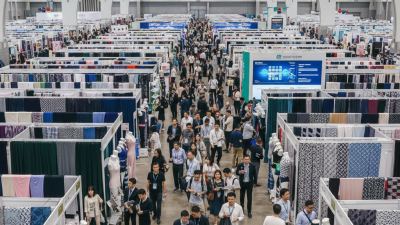
When sourcing lining textiles, global buyers face diverse choices. The market provides numerous suppliers, each specializing in unique materials. Fabrics can include silk, polyester, and cotton blends. Each option offers distinct advantages, catering to various industry needs.
A trusted supplier should not only offer quality textiles but also possess deep industry knowledge. Reliable suppliers often focus on sustainable sourcing and ethical practices. This is becoming increasingly important to buyers today. It’s valuable to engage with suppliers who are transparent about their processes and materials. Visiting suppliers can help assess quality firsthand.
However, not every supplier meets expectations. It’s essential to explore reviews and references before deciding. Good communication can unveil details that aren’t evident in samples alone. Buyers should be ready to question and seek clarification. Often, deeper insights improve the overall purchasing experience. In the end, selecting the right supplier is about building a relationship based on trust and mutual growth.
Sustainability Trends in Lining Textile Production
As the textile industry shifts toward sustainability, lining textiles are a crucial area for innovation. Eco-conscious buyers seek materials that reduce environmental impact. Organic cotton and recycled polyester are gaining popularity. These materials not only minimize waste but also offer appealing aesthetics.
Yet, challenges remain. Many sustainable fabrics still undergo chemical treatments that can harm the environment. The certification process for eco-friendly textiles can be unclear. Consumers must navigate this complex landscape. Transparency in sourcing and production is necessary for building trust.
The industry is seeing progress through collaboration. Manufacturers are working with environmental experts to develop greener processes. Innovations such as waterless dyeing and biodegradable options show promise. Still, there is room for improvement. Buyers should demand clear information about sustainability from suppliers. This lifts the entire industry toward a more responsible future.
Innovative Technologies in Lining Textile Manufacturing
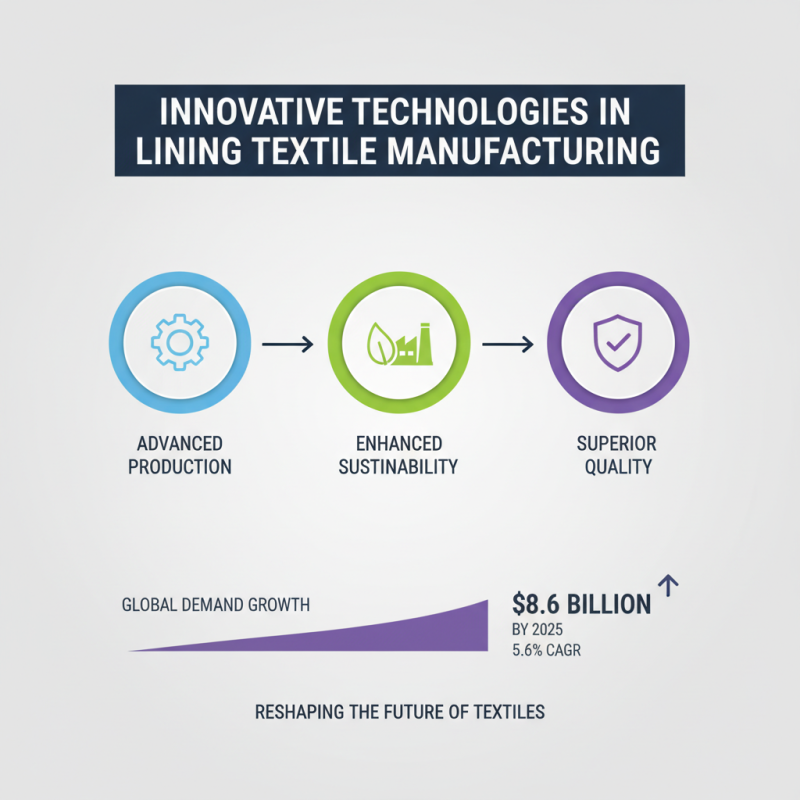
The textile industry is undergoing a significant transformation, driven by innovative technologies in lining textile manufacturing. These advancements are reshaping how lining materials are produced, enhancing both quality and sustainability. Reports indicate that the global demand for high-performance lining textiles is projected to grow at a CAGR of 5.6%, reaching $8.6 billion by 2025. This trend underscores the importance of adopting new manufacturing technologies.
One notable innovation is the incorporation of smart textiles. These materials can respond to environmental changes, providing enhanced functionality. Research from the Textile Institute highlights the potential of incorporating nanotechnology into lining textiles. This can lead to increased durability and moisture management. However, while these technologies offer exciting possibilities, they also raise questions about long-term implications and environmental impact.
Automation is another key trend. Advanced manufacturing processes allow for increased efficiency and precision. However, reliance on automation can lead to challenges in quality control and skill retention in the workforce. As the industry progresses, it is crucial to balance automation with traditional craftsmanship. Exploring these innovative technologies could propel the lining textile market forward, but a careful assessment of their sustainability and impact is necessary to ensure a responsible future.