How to Choose the Best Spandex Polyester Material for Your Clothing Needs
In recent years, the demand for high-quality fabrics in the apparel industry has soared, particularly in the activewear and athleisure segments. According to a report by Market Research Future, the global athletic apparel market is projected to reach a staggering USD 500 billion by 2025, with spandex and polyester blends at the forefront of this growth. The unique combination of elasticity and durability offered by Spandex Polyester Material makes it a preferred choice for designers and consumers alike, enabling garments to stretch and return to their original shape, which is essential for performance and comfort.
Choosing the right Spandex Polyester Material is crucial not only for performance but also for sustainability and consumer satisfaction. A specialized study by Textile Exchange notes that increasing environmental awareness is pushing brands to seek sustainable production methods while still offering high-quality products. As consumers become more discerning about fabric composition and longevity, understanding how to select the best Spandex Polyester Material for various clothing needs becomes imperative for manufacturers and designers looking to stay competitive in this dynamic market. The significance of selecting the appropriate material cannot be overstated, as it directly impacts both the wearer's experience and the overall success of the garment.
Understanding Spandex Polyester: Properties and Benefits
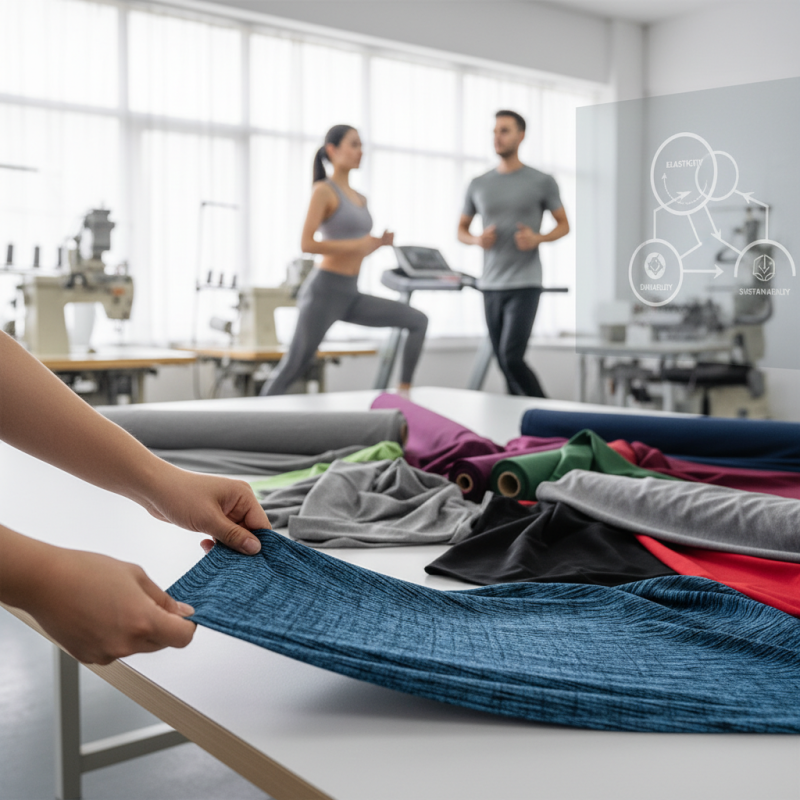
Spandex polyester is a popular blend that combines the durability of polyester with the elasticity of spandex, making it an ideal choice for various types of clothing. The properties of this material highlight its stretchability, breathability, and moisture-wicking capabilities. This unique combination allows garments to retain their shape while providing comfort and freedom of movement, making it perfect for activewear, swimwear, and everyday clothing.
When choosing spandex polyester for your clothing needs, consider the weight and thickness of the fabric. Light-weight options are great for summer apparel and activewear where breathability is key, while heavier blends may offer more support and coverage suitable for transitional seasons. Additionally, look for variations in the blend ratio; a higher percentage of spandex will yield more stretch, which is essential for snug-fitting garments.
**Tips:** Always check the care instructions when purchasing spandex polyester items, as some may require special laundering to maintain their elasticity. Furthermore, testing a small swatch for comfort against your skin can help ensure you choose a fabric that meets your comfort needs. Lastly, consider the garment's intended use; for high-intensity activities, opt for moisture-wicking properties to keep you dry and comfortable during workouts.
How to Choose the Best Spandex Polyester Material for Your Clothing Needs
| Property |
Description |
Benefits |
| Stretchability |
Ability to stretch and recover its original shape |
Enhances comfort and fit in clothing |
| Moisture-Wicking |
Draws sweat away from the body |
Keeps the wearer dry and comfortable |
| Durability |
Resistance to wear and tear |
Long-lasting clothing items |
| Breathability |
Allows air circulation |
Prevents overheating during physical activity |
| Color Retention |
Ability to hold color well after washing |
Maintains vibrant colors over time |
| Softness |
Smooth texture against the skin |
Increases comfort for everyday wear |
Assessing Fabric Weight: Choosing the Right Thickness for Your Garment
When selecting the right spandex polyester material for clothing, assessing fabric weight is crucial in determining the thickness of the garment. The fabric weight, typically measured in grams per square meter (GSM), plays a significant role in the performance and feel of the attire. According to industry reports, lightweight spandex polyester (around 150-200 GSM) is ideal for activewear and garments requiring flexibility and breathability, making it a popular choice for yoga pants and athletic tops. These lighter fabrics allow for increased movement and comfort, critical factors for performance-driven apparel.
On the other hand, mid-weight fabrics (200-300 GSM) offer a balance between durability and comfort, suitable for everyday wear and layering pieces. This weight is often preferred for items like leggings and fitted tops, where the fabric needs to provide support while maintaining a sleek silhouette. It is essential to consider the intended use of the clothing when selecting fabric weight, as heavier fabrics (above 300 GSM) may be more appropriate for outerwear or structured garments but can compromise breathability, impacting overall comfort. Understanding these nuances allows designers and consumers alike to make informed choices that align with their specific clothing needs.
Evaluating Stretch and Recovery: Key Factors in Material Selection
When selecting spandex polyester material for clothing, two critical factors to consider are stretch and recovery. Stretch refers to the material's ability to expand when pulled, making it ideal for activewear and fitted garments. The percentage of spandex blended with polyester determines the extent of stretch; typically, a higher spandex content enhances the material's flexibility. This allows the clothing to accommodate body movements comfortably, which is essential for athletic activities.
Recovery, on the other hand, is the material's capacity to return to its original shape after being stretched. A garment that lacks adequate recovery may sag or lose its form, resulting in a poor fit over time. To evaluate recovery, consider testing the fabric by stretching it and observing how quickly it springs back. Ideally, you want a material that maintains its shape without excessive wear, ensuring that your clothing remains both functional and aesthetically pleasing.
Tips: When purchasing spandex polyester fabric, look for samples to conduct your own stretch and recovery tests. Also, consider how the material feels against your skin—comfort is paramount for pieces that will be worn for extended periods. Lastly, pairing the right fabric blend with your intended activity type will lead to better performance and satisfaction in your clothing choices.
Considering Moisture Management: Breathability and Comfort Features
When selecting spandex polyester material for your clothing, moisture management is a key factor that significantly influences breathability and comfort. Fabrics made from this blend can efficiently wick moisture away from the skin, allowing for a cooler and more comfortable wearing experience. This is particularly important for activewear and sports clothing, where sweat accumulation can lead to discomfort and chafing. A well-constructed spandex polyester garment will not only keep you dry but also maintain good airflow, preventing overheating during intense activities.
**Tips:** Look for materials labeled with moisture-wicking properties, as these are specifically designed to draw sweat away from the body. Additionally, check the fabric's weight and thickness; lighter materials often provide better breathability while still offering the flexibility and stretch inherent in spandex.
Another aspect to consider is the fabric's stretch and recovery characteristics. A good spandex polyester blend should allow for movement while holding its shape. This ensures that your clothing remains comfortable and form-fitting throughout your activities. Evaluate the fabric’s flexibility by testing its stretch in multiple directions, as this can enhance the overall comfort level of your garments.
**Tips:** When trying on spandex polyester clothing, pay attention to how the fabric feels against your skin and whether it allows for unrestricted movement. Fabrics with a higher percentage of spandex typically offer greater elasticity, making them ideal for active pursuits.
Moisture Management in Spandex Polyester Fabrics
Identifying Activity-Specific Needs: Tailoring Your Fabric Choice to Use
Choosing the right spandex polyester material for clothing greatly depends on understanding the specific activity requirements. For instance, activewear necessitates different properties compared to casual wear. According to a recent report by Grand View Research, the global activewear market is expected to reach $546.0 billion by 2024, reflecting a significant demand for materials that enhance performance.
Fabrics with higher spandex content provide necessary flexibility and shape retention, which are essential for activities like running or yoga, where freedom of movement is key.
Furthermore, moisture-wicking capabilities are critical for sports where sweat management is crucial. A study published in the Journal of Textile Science found that fabrics blended with polyester and spandex exhibited superior breathability and moisture management compared to other materials. Specifically, a ratio of
80% polyester to 20% spandex was found to be optimal for maintaining comfort during high-intensity workouts, allowing for quick drying and minimizing discomfort due to wet fabric.
Therefore, identifying the unique demands of each activity can guide consumers towards making informed choices that enhance both performance and comfort.