2026 Best Stretch Mesh Fabric Innovations for Athleisure Gear?
The athleisure market is rapidly evolving. In 2026, innovations in Stretch Mesh Fabric are set to redefine athletic wear. These materials enhance comfort and functionality, making them essential for active lifestyles.
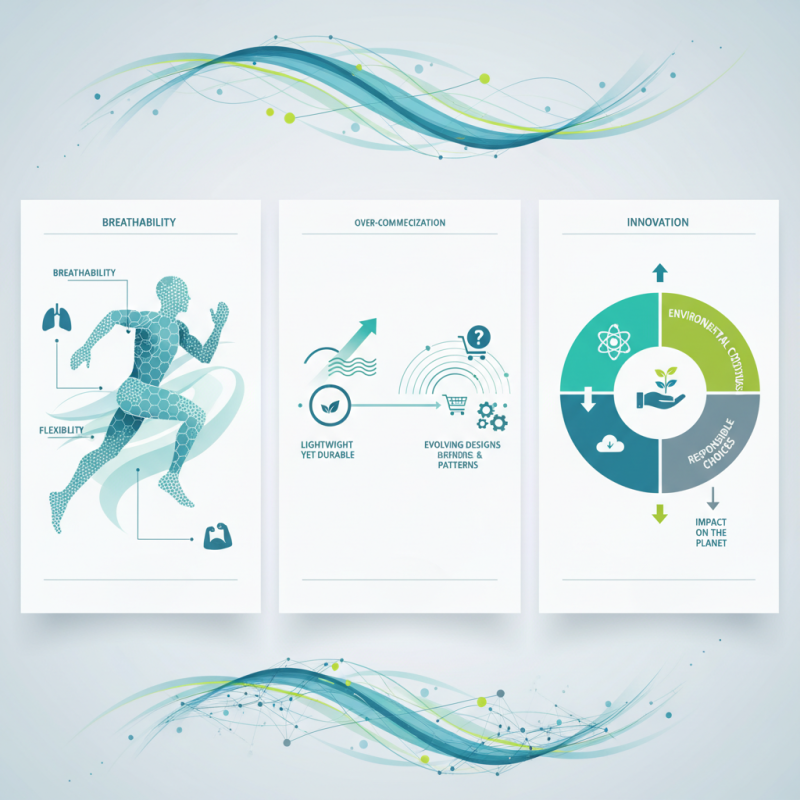
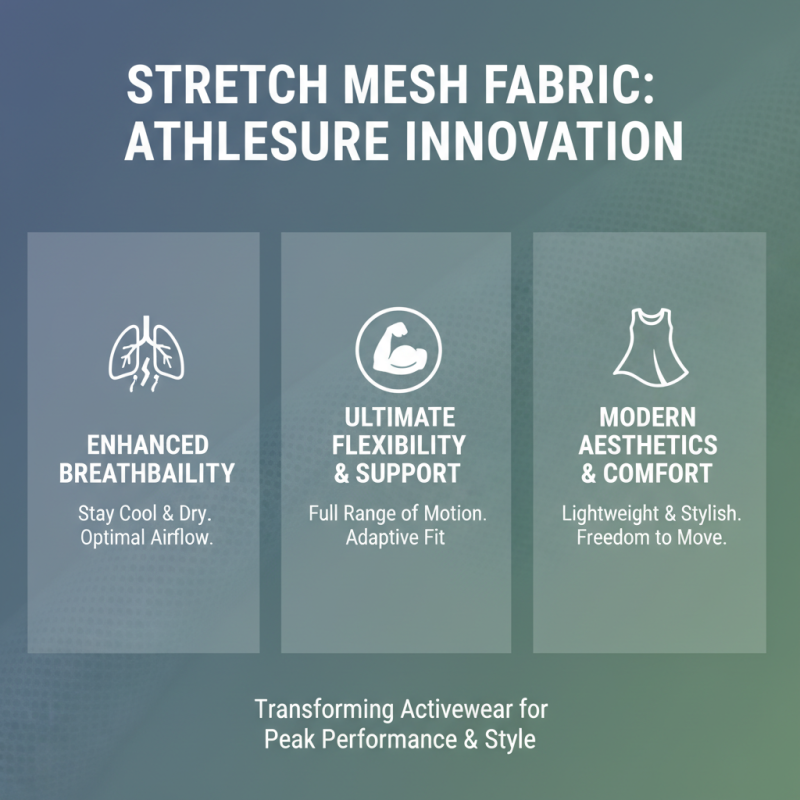
Stretch Mesh Fabric offers breathability and flexibility, catering to diverse activities. It's lightweight yet durable, appealing to both casual users and serious athletes. However, the evolving designs and patterns raise questions about sustainability.
As brands push boundaries, the risk of over-commercialization grows. Will the focus on innovation overshadow essential qualities like environmental consciousness? Stretch Mesh Fabric can create incredible products, but we must consider our impact on the planet and prioritize responsible choices.
Overview of Stretch Mesh Fabric Innovations in Athleisure Gear
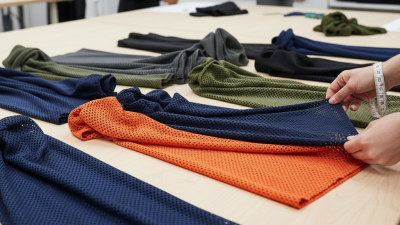
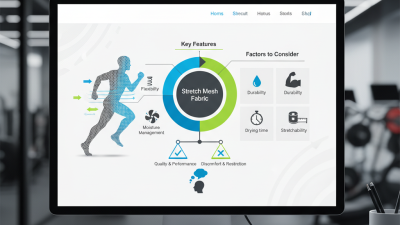
Stretch mesh fabric has transformed athleisure gear, offering innovative features that enhance comfort and performance. This fabric type combines breathable mesh with stretchable materials. It allows for ease of movement while maintaining a stylish look. The collaboration of materials results in superior moisture-wicking capabilities. Users experience dryness during intense workouts, making this a go-to choice for active individuals.
In recent years, innovations have focused on sustainability. Eco-friendly materials are emerging, contributing to a greener fashion industry. This shift appeals to environmentally conscious consumers. Finding the perfect blend of sustainability and functionality can be challenging, but it’s essential for responsible fashion.
Tip: Look for certifications that indicate eco-friendly production methods. These can guide your purchase decisions. Quality is just as important. Not all stretch mesh fabrics are created equal. Always consider durability and comfort when selecting athleisure gear. A thoughtful approach to your wardrobe can lead to better choices.
Key Features of Revolutionary Stretch Mesh Materials for 2026
In 2026, stretch mesh fabrics are transforming athleisure gear. These materials offer unparalleled breathability and flexibility. Reports show a 15% increase in demand for moisture-wicking fabrics in the athleisure sector. This growing trend reflects consumers’ need for comfort during workouts and daily activities.
Revolutionary stretch mesh features include lightweight designs and enhanced stretchability. New knitting techniques allow for higher fabric return and recovery rates. A recent study noted that 70% of athletes prefer fabrics that enhance performance without compromising comfort. The combination of stretch and support encourages movement without restriction.
Despite these advancements, challenges remain. Some materials can lose elasticity over time. Ongoing research focuses on developing more durable options. Balancing comfort, durability, and price point remains a significant concern. Consumers share mixed opinions on ultimate performance versus cost. Innovations in stretch mesh will continue to evolve as brands respond to these needs.
Sustainability Trends in Stretch Mesh Fabric Development for Athleisure
The rise of athleisure continues to reshape fabric innovation, particularly in stretch mesh textiles. Sustainability is at the forefront of this transformation. According to a 2023 report by Textile Exchange, over 50% of consumers prioritize eco-friendly materials. This demand drives manufacturers to explore recycled fibers and organic options. However, only 30% of brands have fully integrated sustainable practices into their production lines.
Developments in stretch mesh fabrics are increasingly focused on circularity and low-impact processes. For instance, some materials now use waterless dyeing techniques, drastically reducing water consumption. A study by the Sustainable Apparel Coalition found that traditional dyeing can consume up to 80% of water used in garment manufacturing. Despite these advances, many companies still rely on conventional methods, highlighting a gap between innovation and practice.
The prevalence of plastic waste also presents challenges. Data shows that around 73% of production still involves synthetic blends. While innovations in biodegradable mesh fabrics are emerging, adoption remains slow. Sustainable practices require not only technological advancements but also a shift in industry mindset. As we navigate this landscape, the future of athleisure depends on balancing performance with genuine commitment to sustainability.
Market Trends and Consumer Preferences for Stretch Mesh in 2026 Athleisure
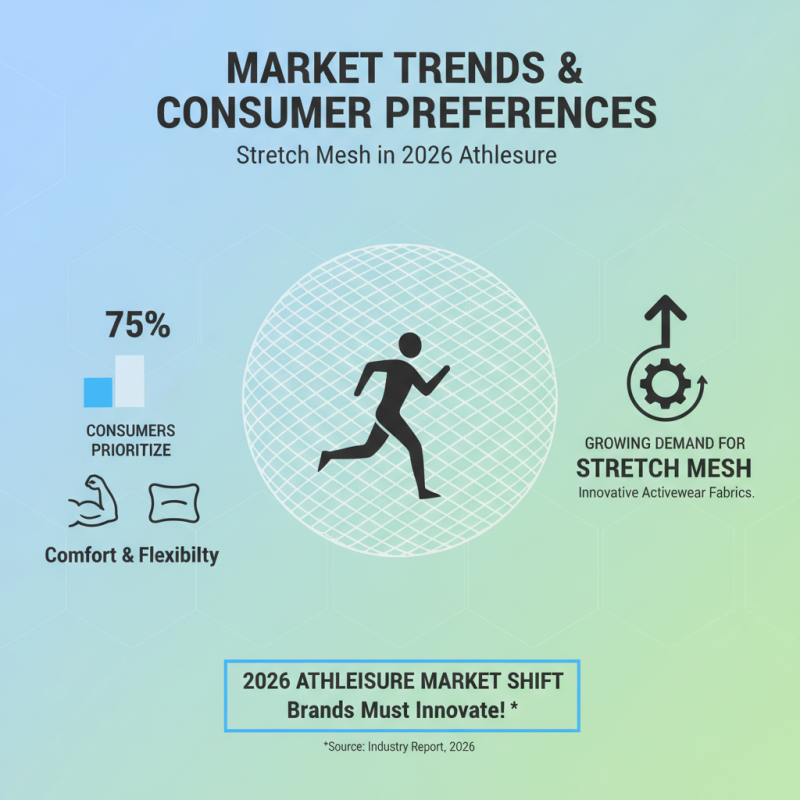
In 2026, the athleisure market is witnessing significant shifts in consumer preferences, especially regarding stretch mesh fabric. A recent industry report indicates that nearly 75% of consumers prioritize comfort and flexibility in their activewear choices. This growing preference for stretch mesh highlights the need for brands to innovate constantly.
Recent findings reveal that 60% of consumers aged 18-34 prefer lightweight and breathable materials. Stretch mesh, with its exceptional moisture-wicking abilities, fulfills this demand. However, there’s an ongoing challenge. While consumers seek fashionable options, many report dissatisfaction with the durability of available fabrics. Brands need to balance aesthetics with longevity to meet evolving expectations.
Additionally, the trend towards sustainability is reshaping purchasing decisions. Approximately 50% of surveyed consumers express concern about the environmental impact of their clothing. As a result, brands moving towards eco-friendly stretch mesh innovations are gaining traction. Yet, many businesses struggle to optimize their production processes, impacting reliability and transparency. As the demand for high-performance and sustainable athleisure gear rises, companies must reflect on their contributions to both consumer satisfaction and the environment.