10 Best Uses for Lycra Fabric You Need to Know?
Lycra Fabric has revolutionized the textile industry, especially in activewear and everyday clothing. According to Dr. Emily Carter, a renowned fabric expert, “Lycra Fabric provides unmatched flexibility and comfort.” This innovative material is known for its incredible elasticity, making it a favorite choice for various applications.
The top uses for Lycra Fabric span from fashion to sportswear. Athletes enjoy its snug fit, which enhances performance. Everyday users appreciate its durability and ease of care. However, not everyone understands how to use Lycra effectively. Some might choose it without considering its maintenance needs. This can lead to disappointment over time.
Additionally, as trends evolve, so do the applications of Lycra Fabric. Fashion designers incorporate it into unique styles. Yet, there is a risk of overuse in certain markets. This could lead to a saturation point, where its value decreases. Reflecting on the diverse uses of Lycra Fabric reveals both opportunities and challenges in the industry.
Applications of Lycra Fabric in Activewear and Sports Apparel
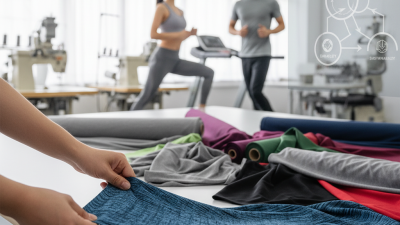
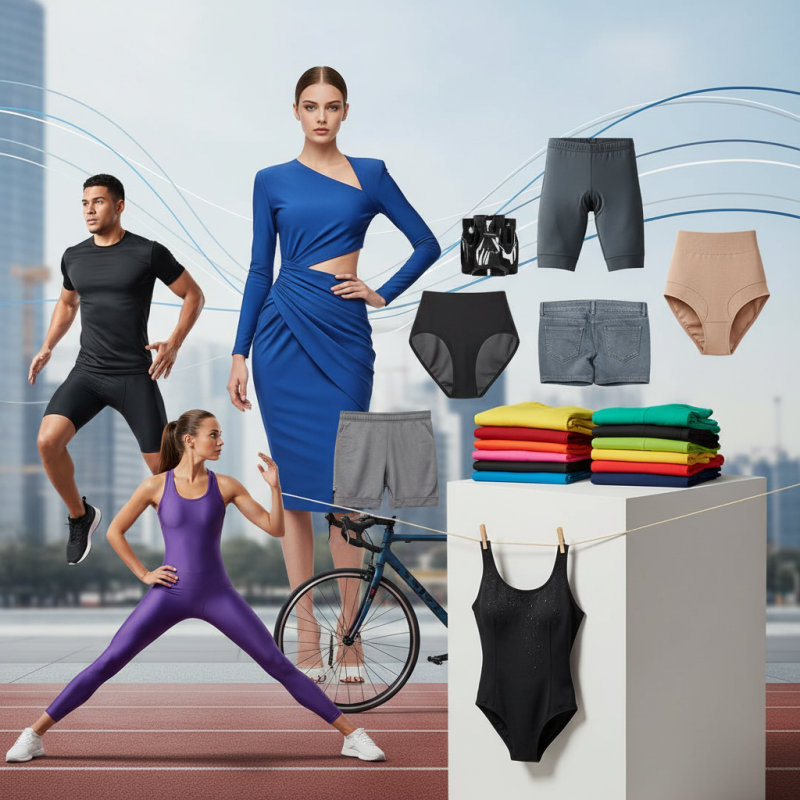
Lycra fabric is a game-changer in activewear. Its unique elasticity allows garments to stretch and move with the body. This feature is crucial for activities like yoga, where flexibility is key. Lycra blends seamlessly with other fabrics, offering the right balance of comfort and support. Many find it ideal for running too, as it reduces chafing and enhances performance.
Athletes appreciate Lycra for its moisture-wicking properties. During intense workouts, it keeps sweat at bay, promoting breathability. Additionally, its quick-drying nature prevents discomfort. However, some users discover that over time, it may lose some elasticity. Regular washing can also affect its performance. The fabric's durability varies, leaving room for improvement in some designs.
Lycra isn't just for sports. It's widely used in swimwear and cycling shorts. The snug fit ensures freedom of movement in water. Cyclists enjoy the supportive feel without heavy fabric weighing them down. Yet, it's important to choose the right blend. A poorly designed garment can impede motion, contrasting with Lycra's intended benefits. Design flaws prompt reflection on how materials shape our experiences in activewear.
Versatility of Lycra in Swimwear Design and Functionality
Lycra fabric is a game changer in swimwear design. Its unique elasticity allows for a snug fit that moves with the body. This comfort is essential for swimmers who prioritize ease of movement. The lightweight nature of Lycra also enhances the overall experience. Wearers often appreciate the way it molds to their shape, providing a boost of confidence.
However, not all Lycra swimsuits are created equal. Some may lack durability, fading or losing elasticity over time. Swimmers should consider the blend of materials used alongside Lycra. A careful balance is key. The sheen of Lycra can be visually stunning, but it doesn't always translate to longevity. It’s a trade-off between style and practicality.
The versatility of Lycra extends beyond just looks. It's often used in competitive swimwear due to its performance benefits. Many athletes find that Lycra suits help streamline their movements in the water. Yet, swimmers must remember to care for their suits properly. Exposure to chlorine can affect Lycra’s lifespan. Rinse quickly after use to preserve its quality. The functionality of Lycra in swimwear presents both advantages and challenges.
Lycra's Role in Shaping and Supportive Undergarments
Lycra fabric, also known as spandex, plays a crucial role in shaping and supportive undergarments. Its elastic properties make it ideal for creating a snug fit. This adaptability allows undergarments to mold to various body shapes, enhancing support and comfort. The soft texture adds a pleasant feel against the skin, which is vital for daily wear.
In shaping garments, Lycra provides both support and contour. It holds everything in place, creating smoother lines under clothing. However, not all designs with Lycra deliver the desired support. Sometimes, the sizing can be off, leading to discomfort. Proper fit is essential. Too tight can restrict movement, too loose, and the shaping effect is lost.
This creates a challenge for designers. They aim to balance style and functionality. Many women struggle to find the perfect undergarment that meets their needs. Comfort shouldn't come at the cost of aesthetics. Finding the right piece is often a trial-and-error journey. It's a process that requires patience and reflection. Lycra's role remains significant in the world of shapewear, but achieving the right fit is an ongoing conversation.
Innovative Uses of Lycra in Fashion and Everyday Clothing
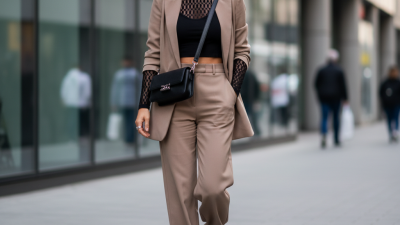
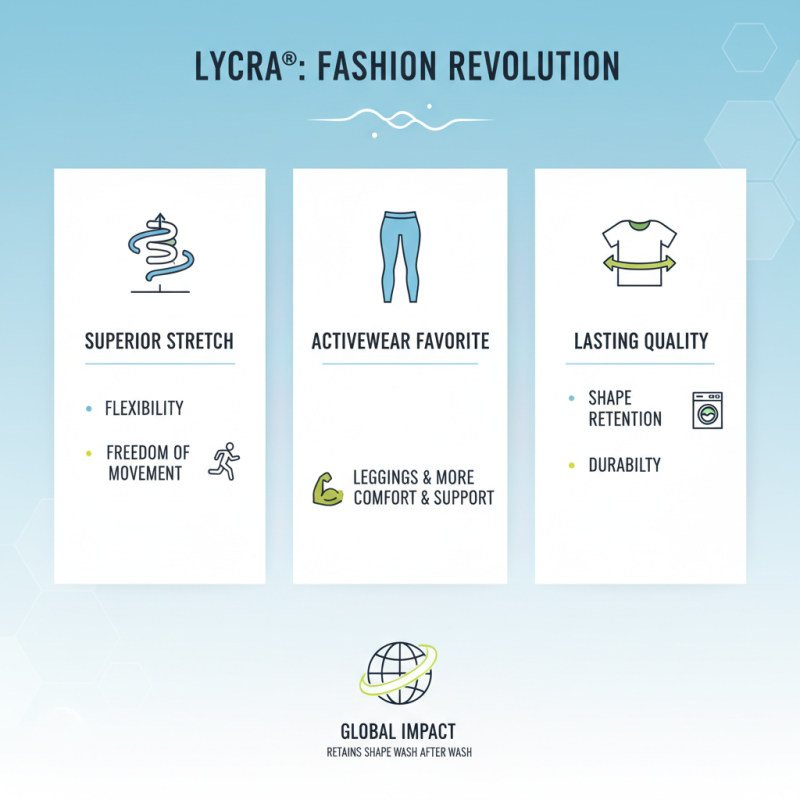
Lycra fabric revolutionizes the fashion world. Its stretchability makes it a popular choice for activewear. Leggings, for instance, provide comfort and flexibility. They hug the body while allowing for movement. Many people appreciate how they retain their shape after washes. This makes them practical for everyday use.
Beyond sportswear, Lycra enhances casual clothing. Many tops and dresses incorporate this fabric for a seamless fit. It can shape and support the body without restricting movement. This combination is appealing to many. However, some find that Lycra can trap heat. This may lead to discomfort in warmer weather.
Bags made from Lycra show creative use as well. They are lightweight, yet durable. Their unique designs allow for personalization, appealing to fashion-forward individuals. Yet, the environment raises concerns here. The production process may not be sustainable. Balancing innovation with eco-responsibility remains a challenge.
Lycra Fabric in Home Textiles: Upholstery and Stretchy Curtains
Lycra fabric is becoming popular in home textiles, especially for upholstery and stretchy curtains. Its elasticity allows for a snug fit on furniture, making your living space look well-tailored. You can use it to cover sofas or chairs, giving them a fresh, modern look. The fabric is durable and can withstand everyday wear, which is essential for high-traffic areas.
When it comes to curtains, Lycra can create a unique ambiance. The stretchy quality allows curtains to follow the contours of windows perfectly. This can enhance the overall aesthetics of a room. Additionally, Lycra curtains can block light better than traditional fabric. However, not everyone appreciates the texture. Some may find it less cozy, even though it's practical.
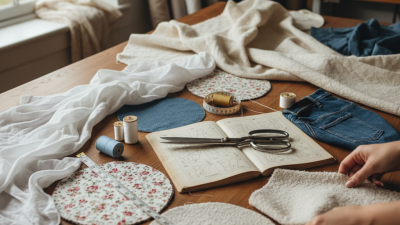
Choosing Lycra requires thoughtful consideration. It can be challenging to work with for DIY projects. If you’re not careful, the fabric might pucker or distort during installation. It’s crucial to test samples in your space before committing. Understanding how it reacts to different climates is another factor. It may not be suitable for every home, but when done right, it can elevate your interiors dramatically.