How to Choose the Best Cotton Knit Fabric for Your Next Sewing Project
The choice of cotton knit fabric can significantly impact the quality and durability of your sewing projects. According to a recent industry report from the Textile Research Institute, cotton knit fabrics account for approximately 30% of the total knit fabric market, reflecting their widespread popularity among both amateur and professional sewers. This preference can be attributed to the inherent properties of cotton, such as its breathability, softness, and versatility, making it an ideal choice for a variety of garments, from comfortable t-shirts to stretchy leggings.
Expert in textile science, Dr. Emily Carter, emphasizes the importance of selecting the right fabric for your needs, stating, "Understanding the characteristics of cotton knit fabric can enhance your sewing experience and lead to superior project outcomes." As we explore the various types of cotton knit fabrics available, it is essential to consider factors such as weight, stretchability, and intended use. Whether you are aiming for casual wear or more structured designs, making informed decisions will ensure that your creations not only look great but also stand the test of time.

Understanding Cotton Knit Fabric Types for Sewing Projects
When choosing cotton knit fabric for your sewing projects, it’s essential to understand the different types available. Cotton knits are primarily categorized into two main types: jersey and interlock. Jersey knit is a single knit fabric featuring a smooth front and a textured back, making it lightweight and perfect for t-shirts and dresses. According to a 2021 report by Textile World, jersey knits comprised approximately 45% of the cotton knit fabric market due to their versatility and comfort.
Interlock knit, on the other hand, is a thicker, more durable fabric that uses a double-knit construction, offering more stretch and less transparency than jersey. This makes interlock an excellent choice for applications like activewear and children's clothing. The global cotton knit fabric market is projected to grow by 3.5% annually, with an increasing consumer preference for breathable and sustainable fabrics, further highlighting the relevance of selecting the right type of cotton knit for various sewing needs. Understanding these differences will enable you to select a fabric that not only meets your project's functional requirements but also enhances its overall aesthetic and durability.
Evaluating Fabric Weight and Stretch for Your Needs
When selecting cotton knit fabric for your sewing project, evaluating fabric weight is crucial. Fabric weight typically falls into lightweight, medium-weight, and heavy-weight categories, each serving different purposes. Lightweight fabrics, typically under 5 ounces per square yard, are ideal for garments requiring drape and flow, such as t-shirts and summer dresses. Medium-weight fabrics, ranging between 5 to 8 ounces, offer versatility, making them suitable for everyday clothing and loungewear. Heavy-weight options, exceeding 8 ounces, provide sturdiness and structure, making them perfect for items like sweatshirts or outerwear.
Stretch is another vital factor to consider when choosing your cotton knit fabric. The amount of stretch can greatly impact the fit and comfort of your finished garment. Fabrics with a little stretch, such as those with a 2-way stretch, offer a soft snugness, ideal for items like fitted tops or leggings. Conversely, 4-way stretch fabrics provide both vertical and horizontal stretch, giving added comfort and allowing for unrestricted movement in activewear or dance attire. Understanding the amount of stretch your project requires can help you select a fabric that not only fits well but also enhances the overall wearability of your creation.
How to Choose the Best Cotton Knit Fabric for Your Next Sewing Project - Evaluating Fabric Weight and Stretch for Your Needs
| Fabric Type |
Weight (GSM) |
Stretch (%) |
Best For |
| Cotton Interlock |
180 |
25 |
T-shirts, Baby Clothing |
| Cotton Jersey |
160 |
30 |
Dresses, Casual Wear |
| Cotton Rib Knit |
220 |
40 |
Sweaters, Fitted Clothing |
| Cotton Spandex Blend |
190 |
30 |
Activewear, Leggings |
| Cotton Modal Blend |
200 |
20 |
Loungewear, Pajamas |
Identifying Quality Cotton Knit By Texture and Feel
When selecting the perfect cotton knit fabric for your sewing project, texture and feel are paramount. The tactile quality of the fabric can significantly influence both the comfort of the finished garment and its drape. A high-quality cotton knit should be soft to the touch, with a subtle stretch that offers flexibility without compromising support. When you run your fingers over the fabric, it should feel smooth and inviting, without any coarse or scratchy patches that could irritate the skin.
Another important aspect to consider is the weight of the cotton knit fabric. Heavier knits tend to drape beautifully, making them ideal for garments like sweaters or dresses that require a bit of structure. In contrast, lightweight knits are perfect for t-shirts or layering pieces, providing ease of movement and breathability. Pay attention to the fabric's recovery; a good cotton knit should return to its original shape after stretching. By carefully evaluating texture and feel, you can ensure that your chosen fabric will meet the demands of your design while providing comfort and style.
Comparison of Cotton Knit Fabric Types by Feel and Texture
Considering Fabric Patterns and Colors for Your Design
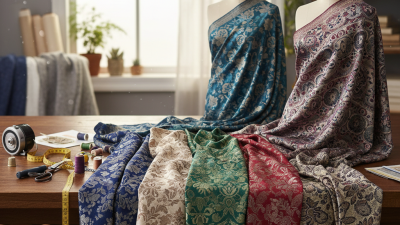
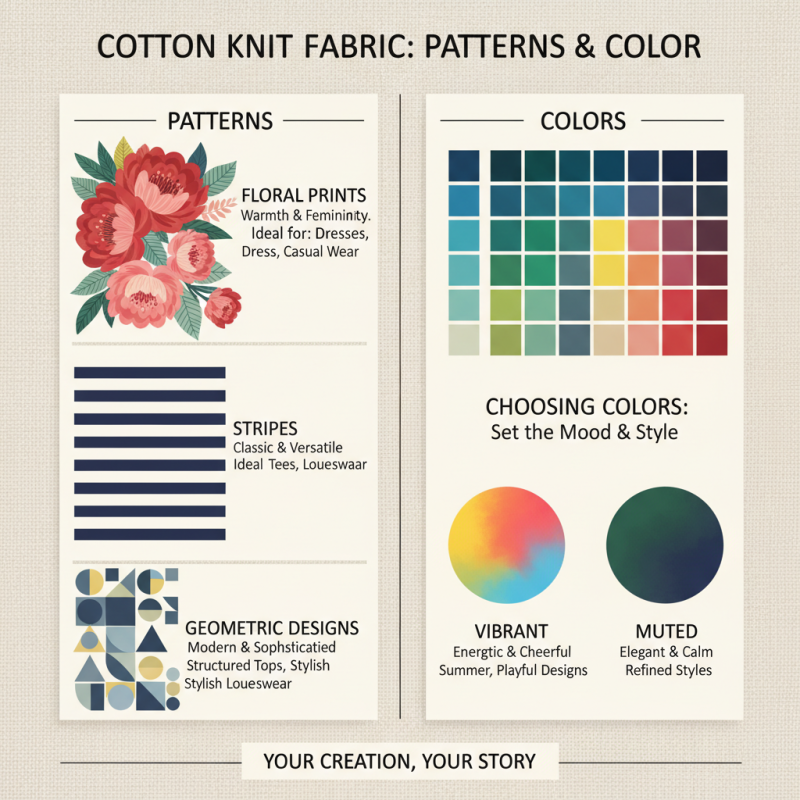
When choosing cotton knit fabric for your sewing project, considering patterns and colors is crucial to achieving the right aesthetic for your design. Patterns can significantly influence the overall feel of your garment, so it's essential to select one that complements your intended style. Whether you opt for floral prints, stripes, or geometric designs, each pattern tells a story and adds character to your creation. For example, a vibrant floral pattern can evoke a sense of warmth and femininity, making it ideal for casual wear or summer dresses, while geometric prints can deliver a more modern and sophisticated look, suited for structured tops or stylish loungewear.
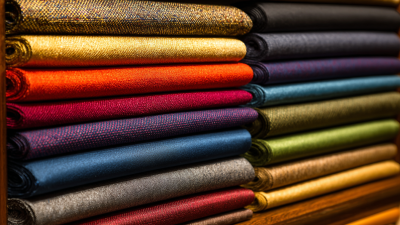
Color selection is just as important as the pattern itself. The color palette you choose should resonate with your project's theme and the emotions you wish to convey. Soft pastels may give your garment a light, airy feel, perfect for spring, while bold, rich colors can create a statement piece that stands out. Don't forget to consider color combinations: contrasting colors can add visual interest, while harmonious shades can evoke a sense of calm and cohesiveness. Testing swatches in natural light can help you see how different hues interact with each other and the environment, ensuring that your final selection aligns with your vision.
Choosing the Right Cotton Knit for Specific Garments and Uses
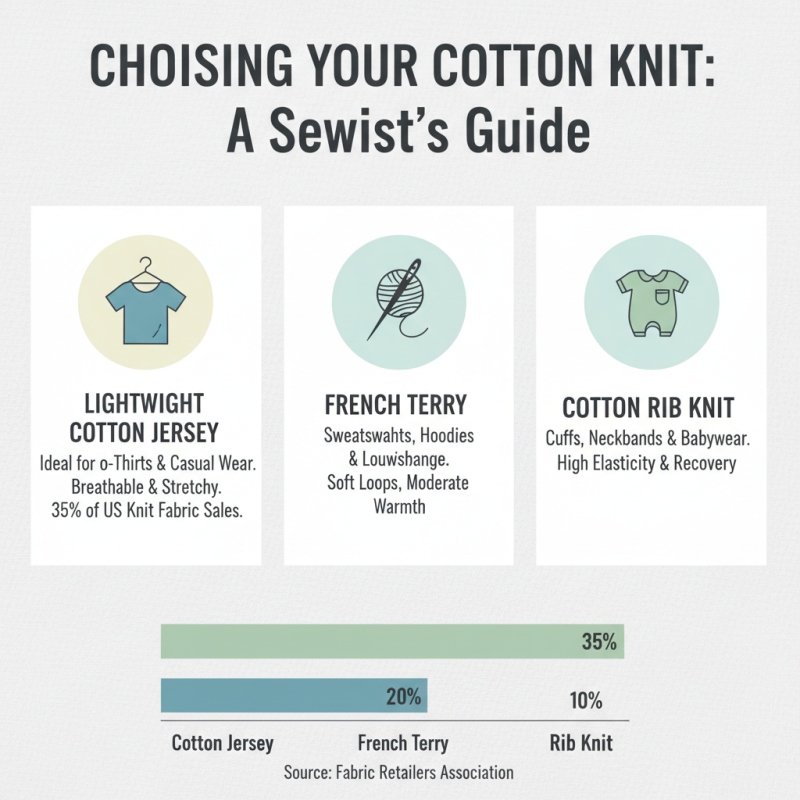
When selecting the best cotton knit fabric for your next sewing project, it's essential to consider the specific garment and its intended use. Different types of cotton knits offer unique properties that can significantly affect the performance and comfort of the finished product. For instance, lightweight cotton jersey is ideal for t-shirts and casual wear, thanks to its breathability and stretchability. According to the Fabric Retailers Association, cotton jersey accounts for approximately 35% of all knit fabric sales in the U.S., reflecting its popularity and versatility among sewists.
For activewear, heavier cotton spandex blends provide necessary support and elasticity, making them suitable for leggings and fitted garments. A study by the American Apparel and Footwear Association highlights that demand for stretchy, performance-oriented fabrics has increased by 20% over the past three years, indicating a growing trend in this market segment. Additionally, an understanding of thread count and knit types—such as interlock or ribbing—can enhance your selection process. Garments requiring more durability may benefit from interlock knits, which are double-sided and offer superior strength and stability, demonstrating how critical the right fabric choice is for ensuring the longevity of your sewing projects.