Why Choose Polyester Stretch Material for Your Clothing Needs?
The textile industry has seen a significant shift towards polyester stretch material in recent years. According to a report by Grand View Research, the demand for stretch fabrics is projected to grow at a compound annual growth rate of 5.2% from 2021 to 2028. This growth highlights the increasing popularity of versatile and comfortable materials in clothing production.
Industry expert Dr. Emily Carter states, "Polyester stretch material offers both durability and flexibility, making it an ideal choice for modern apparel." This blend of properties allows for a more dynamic range of motion, which is essential in activewear as well as daily casual outfits. Nevertheless, some concerns exist regarding fabric sustainability and potential environmental impacts. While polyester stretch material is revolutionizing fashion, the industry must also reflect on its ecological footprint.
As consumers prioritize comfort and performance, polyester stretch material continues to dominate the market. However, finding a balance between innovation and sustainability will be crucial for long-term success. The textile sector must navigate these challenges thoughtfully to maintain its growth trajectory while addressing environmental responsibilities.

Benefits of Polyester Stretch Material for Fashion and Functionality
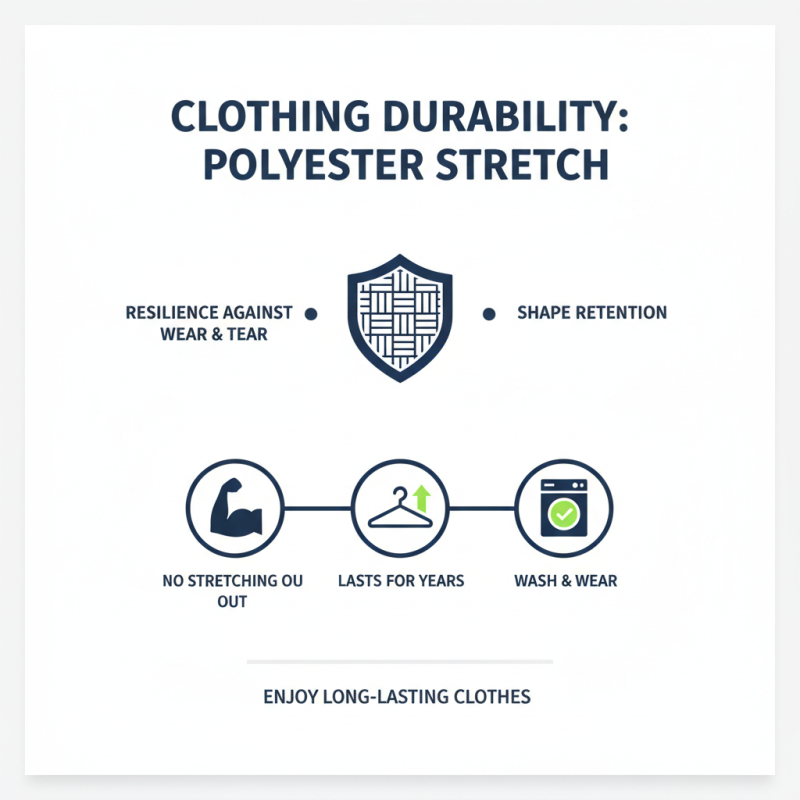
Polyester stretch material is transforming the fashion industry. Its unique blend of durability and elasticity makes it ideal for various clothing styles. According to the Textile Research Journal, polyester fabrics can withstand over 100 wash cycles without significant wear. This longevity appeals to consumers looking for value in their wardrobe.
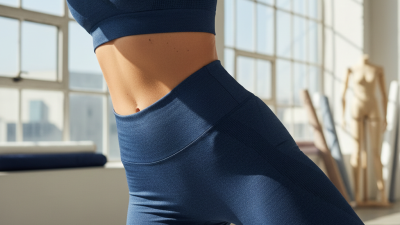
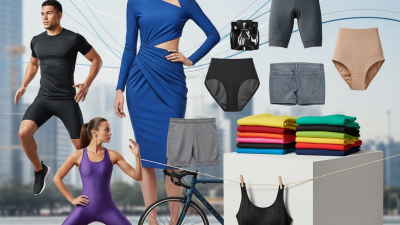
The comfort of polyester stretch is undeniable. It allows for greater freedom of movement. It molds to the body without feeling restrictive. This material is often used in activewear, enabling wearers to perform various activities without any hindrance. In fact, a survey by the Apparel Marketing Association indicated that 78% of activewear users prioritize comfort in their clothing choices.
Despite its advantages, some environmental concerns arise from polyester production. The process can contribute to microplastic pollution. According to the World Economic Forum, nearly 35% of all microplastics in oceans come from synthetic textiles. This raises questions about sustainability. As consumers become more eco-conscious, brands must find innovative ways to balance style and environmental responsibility.
Benefits of Polyester Stretch Material for Fashion and Functionality
Moisture-Wicking and Breathability: Comfort in Versatile Environments
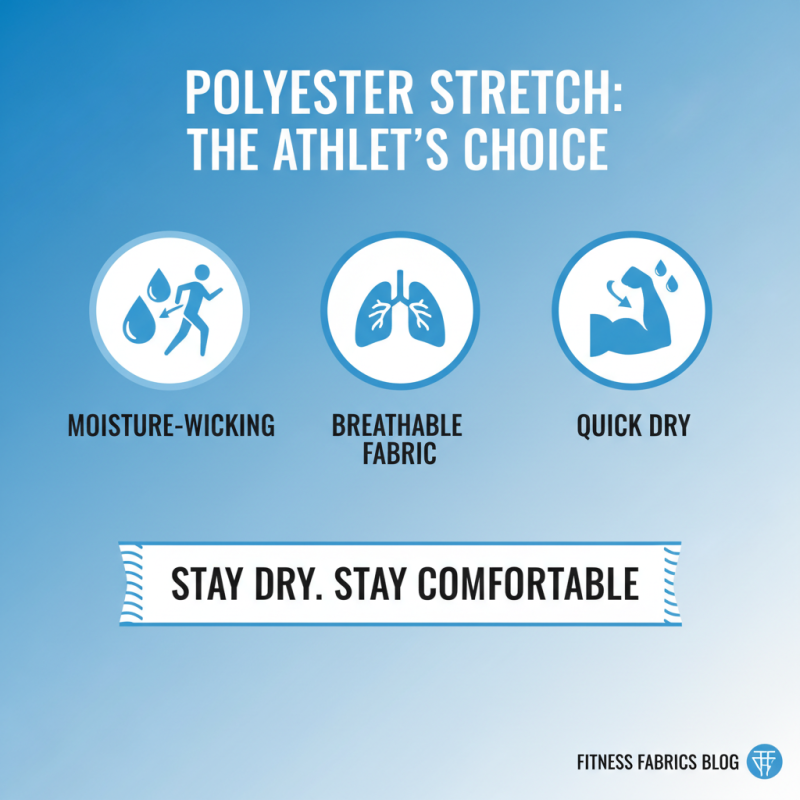
Polyester stretch material has gained popularity for its unique properties, particularly when it comes to moisture-wicking and breathability. This fabric is engineered to draw sweat away from the skin, keeping you dry during physical activities. It works by transporting moisture to the surface, where it evaporates quickly. This feature is especially beneficial during workouts or in humid environments, allowing for a more comfortable experience.
Breathability is another key aspect of polyester stretch material. The fabric’s structure permits air circulation, preventing overheating. This means you can enjoy a cool feeling while engaging in various activities. However, it’s important to note that not all polyester fabrics are created equal. Some may lack optimal ventilation, leading to discomfort. Relying solely on the fabric’s reputation can sometimes be misleading.
Consider the setting when choosing polyester stretch clothing. In high-intensity settings, the right blend of moisture-wicking and breathability makes a noticeable difference. If the wrong fabric is chosen, you may find yourself feeling clammy or restricted. It’s worth it to explore different options and find the best fit for your needs. The comfort provided by suitable polyester stretch material can enhance your performance significantly.
Cost-Effectiveness: Polyester's Budget-Friendly Appeal in Clothing
Polyester stretch material is increasingly favored in clothing for good reasons. One major aspect is its cost-effectiveness. It offers a budget-friendly option for those seeking versatile and durable garments. Compared to natural fibers, polyester is often cheaper to produce. This affordability makes it easily accessible for everyone.
Many individuals appreciate polyester's long-lasting qualities. It withstands wear and tear better than many alternatives. This means you’ll buy fewer clothes over time. It also dries quickly and holds color well. These features enhance its appeal. However, some might find that not all polyester feels the same. Varieties differ widely, so exploration is essential.
**Tip: Look for blends.** Fabrics that mix polyester with natural fibers can enhance comfort. This combination often provides the best of both worlds. **Tip: Check the weight.** Lighter polyester is great for active wear, while heavier types work well for structured pieces. While polyester has many perks, it’s worth reflecting on its environmental impact. Sustainability should always be part of your clothing conversation.
Environmental Impact: The Sustainability of Recycled Polyester Materials
Recycled polyester materials are gaining attention for their sustainability. Traditional polyester is derived from petroleum, contributing to environmental pollution. In contrast, recycled polyester is made from post-consumer plastic waste. According to the Textile Exchange’s 2021 Preferred Fiber and Materials Market Report, the use of recycled polyester has increased by 20% within a year. This shift reduces reliance on virgin materials and decreases plastic waste in landfills.
The environmental impact of recycled polyester is significant. Studies show that producing recycled polyester can save up to 60% of energy compared to virgin polyester production. However, the process is not without criticism. Some contend that recycling processes still consume considerable water and energy. Others point out that microplastics shed during washing remain a concern.
It's essential to understand these complexities. Not all recycled polyester is created equal. Transparency in sourcing and processing is crucial. Gaining insights into these materials helps consumers make informed choices. By choosing recycled polyester, individuals contribute to a more sustainable future, but it's also vital to question its overall lifecycle impact.
Why Choose Polyester Stretch Material for Your Clothing Needs? - Environmental Impact: The Sustainability of Recycled Polyester Materials
| Category |
Description |
Benefits |
Environmental Impact |
| Material Type |
Polyester Stretch |
Enhanced flexibility and comfort |
Lower reliance on virgin materials |
| Production Process |
Recycled polyester from PET bottles |
Reduces waste and energy consumption |
Decreased carbon footprint |
| Durability |
Resistant to wrinkles and stretching |
Longer lifespan of garments |
Less frequent clothing replacement |
| Water Usage |
Lower than cotton production |
Conserves water resources |
Positive impact on water bodies |
| Recyclability |
Can be recycled again after use |
Promotes circular economy |
Minimal waste at end of product life |