2026 How to Choose Polyester Stretch Material for Your Next Project?
When embarking on a new project, selecting the right fabric is crucial. Polyester Stretch Material is a popular choice for its blend of durability and flexibility. This material adapts well to various designs and functions, making it ideal for both casual and professional garments.
Understanding the properties of Polyester Stretch Material can enhance your design outcomes. This fabric provides excellent stretch while maintaining shape, offering comfort for the wearer. However, not all polyester blends are created equal. The stretch ability can vary, impacting the final product. It is essential to test different samples before making a final decision.
Many creators overlook the importance of fabric selection, often rushing this step. This can lead to unanticipated results in both fit and longevity. Taking the time to explore Polyester Stretch Material options can prevent disappointment. Experiment, reflect on your choices, and ask for expert opinions to ensure your next project is a success.
Understanding Polyester Stretch Material: Key Characteristics
Polyester stretch material is widely used in various projects due to its unique properties. It offers excellent elasticity and exceptional durability, making it ideal for activewear. Additionally, its resistance to wrinkles and shrinking appeals to many designers. These characteristics ensure that garments maintain their shape even after multiple washes.
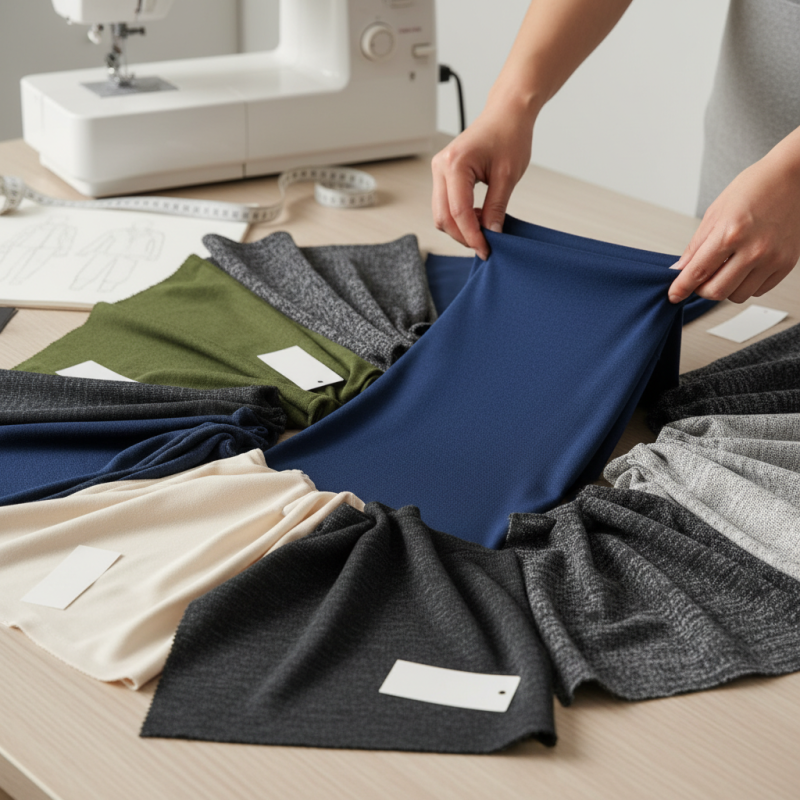
When selecting polyester stretch material, consider the weight and thickness. Lightweight fabrics are perfect for summer clothing, offering breathability. Meanwhile, heavier options work well for colder weather. Understanding the fabric's recovery ability is also crucial. Some materials may lose their stretch over time, leading to fitting issues. Therefore, it’s vital to test samples before committing to a large order.
Another aspect to reflect on is the fabric's breathability. While polyester can be moisture-wicking, it may retain heat in certain designs. This can be uncomfortable for the wearer. Balancing stretch and comfort is key. Always gather feedback from your team or potential users. This can lead to improved choices for your projects and enhance overall satisfaction.
Evaluating the Benefits of Polyester Stretch for Different Projects
When considering polyester stretch material, it's essential to evaluate its benefits for your specific projects. Polyester stretch offers excellent elasticity, allowing for freedom of movement. It is ideal for activewear, dance costumes, and fitted clothing. The fabric hugs the body while providing comfort, making it a popular choice among designers.
Polyester stretch also boasts durability and resistance to wrinkles. These characteristics ensure that garments retain their shape and look fresh, even after multiple washes. However, it's worth noting that polyester can sometimes feel less breathable compared to natural fibers. This can impact comfort during extended wear.
Moreover, the environmental impact of polyester is a topic for reflection. While it is versatile and often affordable, its production raises sustainability concerns. Exploring alternatives or blended fabrics may be essential for eco-conscious projects. Evaluating the use of polyester stretch involves considering both its practical advantages and the broader implications of your material choices.
Identifying the Right Weight and Thickness for Your Needs
Choosing the right weight and thickness of polyester stretch material is crucial for your project. The weight of the fabric affects its drape and feel.
Lightweight fabrics, typically under 150 grams per square meter (GSM), are ideal for soft and fluid designs. They work well for summer clothing or activewear. Heavier fabrics, over 200 GSM, provide more structure, making them suitable for structured garments and outerwear.
Thickness also plays a significant role in your fabric selection. Thicker materials offer durability and warmth, perfect for winter wear. However, they may feel stiff and restrict movement. On the other hand, thin fabrics can be breathable and comfortable, but may lack longevity.
Consider your project’s purpose when deciding on thickness. Understanding how these factors interact with design will guide you in making the best choice.
Reflect on the project requirements and your user needs. Sometimes, opting for a mid-weight fabric can be beneficial. It provides a balance between structure and comfort.
Don't hesitate to experiment with layers. Testing different weights in practice can yield unexpected results. This trial and error process is essential for achieving your desired outcome.
Exploring Colorfastness and Printability of Polyester Stretch Fabric
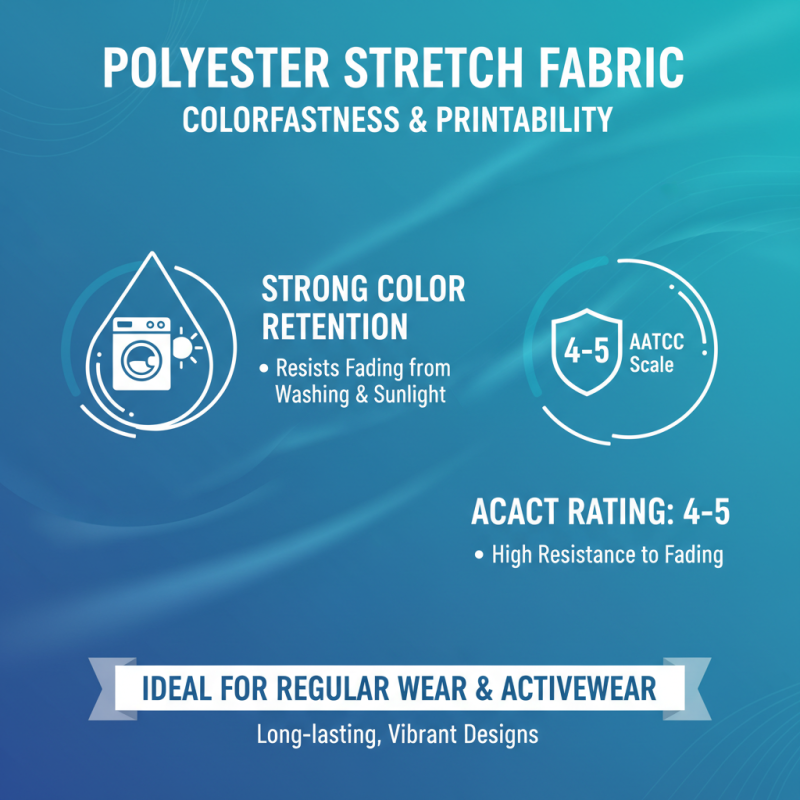
Choosing the right polyester stretch material for your project involves more than just appearance. One critical aspect is colorfastness. Colorfastness measures how well a fabric retains its color when washed, exposed to sunlight, or subjected to other environmental factors. According to a recent study, polyester fabrics achieve a colorfastness rating of 4 to 5 on the American Association of Textile Chemists and Colorists (AATCC) scale. This indicates strong resistance to fading, making it suitable for garments intended for regular wear.
Another essential factor is printability. Polyester stretch fabrics are known for their excellent dyeing properties. However, the effectiveness of the print can vary based on the specific type of polyester used. Reports indicate that fabrics with a higher polyester content (over 90%) generally yield vibrant prints. Yet, even high-quality fabrics might experience issues such as dye migration if not properly crafted. This requires careful selection and testing of processes to ensure the end product meets expectations.
Understanding the limitations of polyester stretch fabric can guide better choices. For instance, while polyester is resilient, repeated stretching may affect the fabric's integrity over time. This raises questions about durability in high-stress applications. Designers must weigh these factors against the desired outcomes for a project. Balancing colorfastness and printability with the material's physical properties is not always straightforward. The journey to the right fabric is filled with nuances that require thoughtful consideration.
Tips for Sourcing Quality Polyester Stretch Material for Your Project
When selecting polyester stretch material for your project, quality is paramount. In 2022, the global stretch fabric market was valued at approximately $18 billion, with polyester being a leading fabric choice due to its versatility and strength. This data indicates a growing demand for reliable polyester materials in various applications.
Tips for sourcing quality polyester stretch material include evaluating the fabric’s blend composition. Polyester generally offers durability, while a blend with spandex enhances elasticity. Check the stretch recovery rates; materials that return to their original shape prevent sagging. Also, consider the weight of the fabric. Heavier material often provides better structure, while lighter options offer more comfort.
It's crucial to work with reputable suppliers. Look for certifications like Oeko-Tex Standard 100, ensuring the fabric is free from harmful substances. Always request swatches to assess fabric feel, stretchability, and opacity. Remember, selecting polyester stretch material is often trial and error. Misjudging the level of stretch or the weight can lead to project setbacks. Always keep an open line of communication with suppliers. This helps to clarify any uncertainties regarding the fabric’s properties.
2026 How to Choose Polyester Stretch Material for Your Next Project?
| Feature |
Description |
Considerations |
| Elasticity |
The ability of the material to stretch and return to its original shape. |
Consider the percentage of elastane or spandex blended with polyester. |
| Breathability |
How well the fabric allows air to pass through, affecting comfort. |
Check for moisture-wicking properties if used in activewear. |
| Durability |
Resistance to wear and tear, ensuring longevity of the product. |
Look for high denier count for added strength. |
| Softness |
The fabric's feel against the skin, impacting comfort and usability. |
Consider brushed finishes or blending with other soft fibers. |
| Color Fastness |
Resistance to fading and bleeding of colors when washed or exposed to sunlight. |
Test against industry standards for color stability. |
| Care Instructions |
Guidelines for washing and maintaining the material. |
Verify if it requires special cleaning methods or can be machine washed. |