How to Choose the Best Jersey Knit Fabric for Your Sewing Projects
When it comes to selecting the ideal fabric for your sewing projects, Jersey Knit Fabric stands out for its versatility and comfort. As the market for stretch fabrics has grown exponentially, industry reports indicate that the demand for knit materials has increased by over 25% in the past five years, underscoring their popularity among both hobbyists and professional seamstresses. This rise is driven by the fabric's ability to provide both durability and ease of care, making it a preferred choice for garments ranging from casual wear to activewear.
According to fabric expert Dr. Emily Weaver, "The choice of Jersey Knit Fabric can significantly influence not only the fit and drape of a garment but also the overall aesthetic." Her insights highlight the importance of understanding the different types and qualities within the Jersey Knit category, which can vary widely in thickness, stretchability, and texture. In this guide, we will explore the essential factors to consider when choosing the best Jersey Knit Fabric for your sewing projects, ensuring that you make informed decisions that cater to your specific needs and design goals.
Understanding Jersey Knit Fabric Types: A Comprehensive Guide
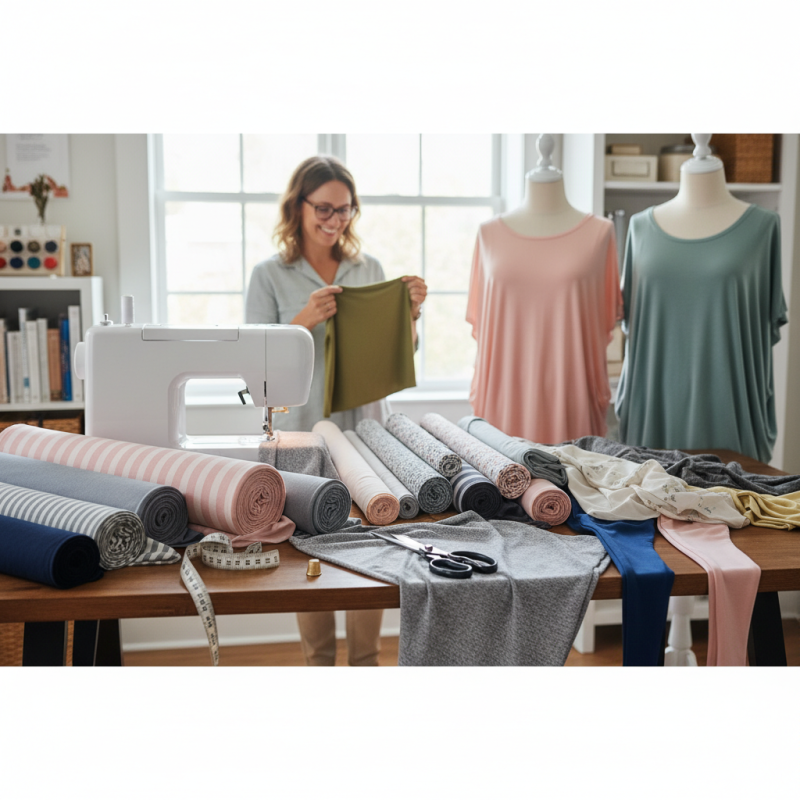
When choosing the best jersey knit fabric for your sewing projects, it's essential to understand the different types of jersey knits available. Jersey knit is a versatile fabric known for its stretch and comfort, making it an excellent choice for various garments. There are primarily two types of jersey fabric: single knit and double knit. Single knits are lightweight, breathable, and have a smooth surface, making them ideal for t-shirts and lightweight dresses. On the other hand, double knits are thicker, more stable, and provide a structured feel, making them suitable for items like skirts and structured tops.
Tips: When working with jersey knit fabric, consider using a ballpoint needle to prevent snagging the fibers. Additionally, always pre-wash your fabric to avoid any surprises with shrinkage after sewing. If you’re new to sewing with knits, opt for a stretch stitch or a serger for seams to ensure the fabric retains its elasticity.
Another factor to consider is the fabric’s weight and drape. Lighter weights flatter flowing designs and drape beautifully, while medium to heavier weights are perfect for garments requiring more structure. Pay attention to the fabric’s content; blends with spandex offer more stretch, which is beneficial for form-fitting designs.
Tips: Always test a small swatch of fabric before cutting out your pattern pieces to check how it behaves during sewing. This will help you get familiar with its stretch and drape, ensuring successful project outcomes.
How to Choose the Best Jersey Knit Fabric for Your Sewing Projects
| Fabric Type |
Description |
Best Projects |
Stretch Level |
| Cotton Jersey |
Soft and breathable, perfect for casual wear. |
T-shirts, dresses, pajamas. |
Medium Stretch |
| Polyester Jersey |
Durable and moisture-wicking, great for active wear. |
Sportswear, workout clothes. |
High Stretch |
| Rayon Jersey |
Silky texture with a nice drape, ideal for elegant garments. |
Maxi dresses, blouses. |
Medium Stretch |
| Interlock Knit |
Thicker than regular jersey, offers more structure. |
Skirts, pants, jackets. |
Low Stretch |
| Lycra Jersey |
Contains spandex for exceptional elasticity. |
Bodycon dresses, swimwear. |
Very High Stretch |
Evaluating Fabric Weight and Stretch: Key Factors for Sewing Success
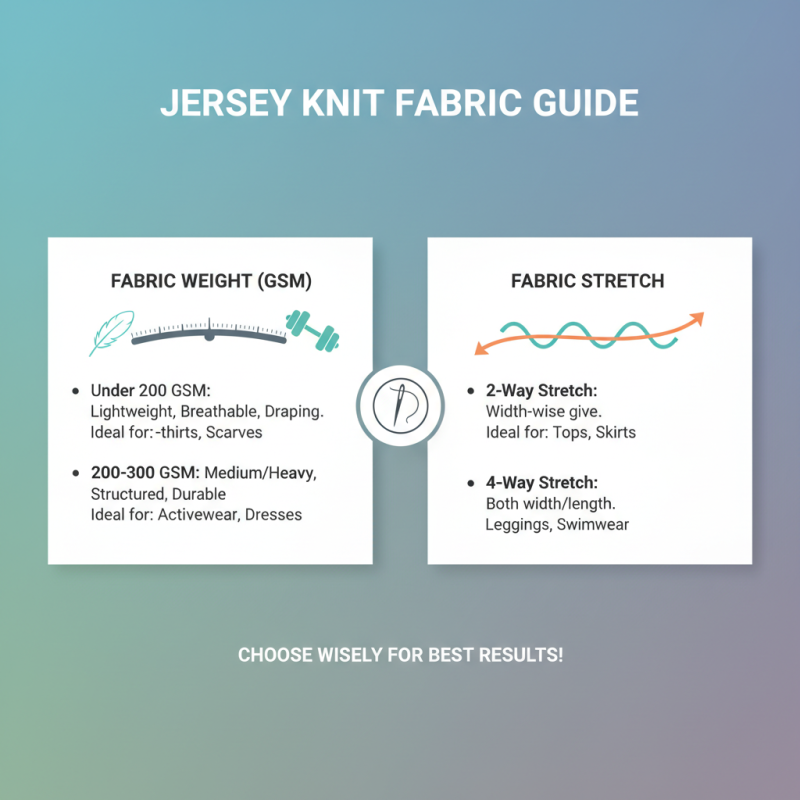
When selecting the best jersey knit fabric for your sewing projects, evaluating fabric weight and stretch is crucial for achieving the desired outcome. Fabric weight, typically measured in grams per square meter (gsm), significantly impacts the drape and feel of the garment. According to industry reports, lightweight jerseys (under 200 gsm) are ideal for casual wear, offering breathability and movement, while medium to heavyweights (200-300 gsm) provide structure and durability for items like activewear or fitted garments. Understanding the weight of the fabric helps in predicting how it will behave during sewing and wearing.
Stretch is another key factor that influences the functionality and comfort of jersey knit fabrics. Fabrics with greater stretch percentage (20% or more) enhance comfort and fit, particularly for projects requiring body-hugging designs like dresses and leggings. A study from the Textile Institute indicates that elastane blends can vastly improve the elasticity of jersey fabrics, making them more versatile and suitable for a variety of applications. By assessing both the weight and stretch characteristics, sewists can make informed choices to ensure their projects not only look good but also have the necessary performance for everyday wear.
Choosing the Right Fiber Content: Cotton, Rayon, and Beyond
When selecting jersey knit fabric for your sewing projects, the fiber content plays a crucial role in determining the fabric's feel, durability, and suitability for your intended use. Cotton jersey is a popular choice, known for its breathability, comfort, and easy care. It works wonderfully for casual garments like t-shirts and dresses, especially in warmer climates. The natural fibers allow for good moisture absorption, making it ideal for everyday wear.
Rayon, on the other hand, offers a different set of advantages. This semi-synthetic fiber is derived from natural sources and provides a luxurious drape and silky texture, perfect for more refined clothing options. Rayon jersey knits tend to have a bit more stretch compared to cotton, allowing for a fitted look while maintaining comfort. However, one must keep in mind that rayon may require more delicate care to maintain its appearance over time. Exploring blends like cotton-rayon can offer a balance between comfort and drape, creating versatile options for various sewing projects. Overall, understanding fiber content empowers you to make informed choices, ensuring your finished garments achieve the desired look and feel.
Assessing Fabric Quality: What Makes a Durable Jersey Knit?
When assessing the quality of jersey knit fabric, several critical factors contribute to its durability and overall performance in sewing projects. Key attributes include fabric weight, stretchability, and fiber content. According to industry research from the Textile Exchange, the weight of jersey knit typically ranges from 160 to 220 grams per square meter (GSM). Fabrics on the heavier end of the spectrum not only resist wear and tear better but also provide a more luxurious drape, making them ideal for garments that undergo frequent use.
Another vital aspect to consider is the fabric's stretch and recovery. The best jersey knits exhibit a balanced stretch, which allows for ease of movement while retaining shape after washing. A study by the International Textile Manufacturers Federation suggests that high-quality jersey knits should have at least 50% stretch in both the width and length directions. Additionally, the use of blended fibers, such as incorporating a small percentage of spandex into a cotton jersey, enhances elasticity and ensures that the fabric withstands repeated wear without sagging or losing its original form.
By understanding these qualities, sewists can make informed decisions when selecting jersey knit fabrics that not only meet the demands of their projects but also stand the test of time.
Color and Print Options: Enhancing Aesthetics in Your Projects
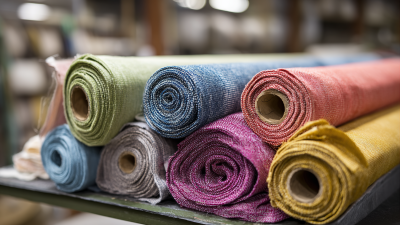
When selecting jersey knit fabric for your sewing projects, the wide array of color and print options available can greatly enhance the final look of your creations. Bright, vibrant colors can add energy and excitement to casual wear, while muted tones create a more sophisticated aesthetic suitable for everyday attire or loungewear. The choice between solid colors and multi-colored prints can dramatically influence the style of the garment, allowing for endless possibilities that cater to individual tastes and fashion trends.
Prints can also play a significant role in defining the theme of a project. Floral patterns bring a touch of femininity, while geometric designs offer a modern flair. Animal prints can evoke a bold statement, perfect for fashion-forward pieces. Additionally, incorporating contrasting or complementary colors can create visual interest, making an otherwise simple design stand out. When working with jersey knit, consider how various hues and patterns can not only reflect your personal style but also enhance the practicality and versatility of the finished garment.