How to Choose the Best Lining Textile for Your Next Sewing Project
Choosing the right lining textile for your sewing project is a crucial step that can significantly affect both the comfort and aesthetic of your final creation. Lining textiles serve not only as a beautiful backdrop for your garments but also enhance their durability and functionality. With a myriad of options available, selecting the perfect lining textile can feel overwhelming, but understanding the key factors can simplify the decision-making process.
When considering your lining textile, think about the intended use of your garment. Different textiles provide varying levels of breathability, weight, and drape, which can impact how the final piece fits and feels. Additionally, consider the care instructions and how the lining interacts with the main fabric. These considerations are essential for ensuring that your project not only looks good but also performs well over time.
Ultimately, the ideal lining textile balances practical considerations with design preferences. By taking the time to explore various materials and their properties, you can make an informed decision that enhances your sewing project. Whether you’re crafting a cozy jacket or a sleek evening gown, the right lining textile will elevate your creation to the next level.
Understanding Lining Textiles: Types and Characteristics
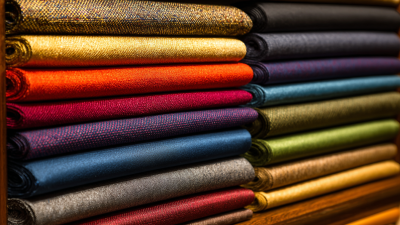
When selecting the best lining textile for your sewing project, it's essential to understand the various types and their unique characteristics. Lining fabrics serve multiple purposes, including providing a finished look, adding durability, and enhancing the comfort of the garment. Common types of lining textiles include cotton, polyester, rayon, and silk. Cotton linings are breathable and easy to work with, making them ideal for casual garments. Polyester offers durability and resilience, often used in outerwear, while rayon provides a luxurious feel and drape, suitable for more formal attire.
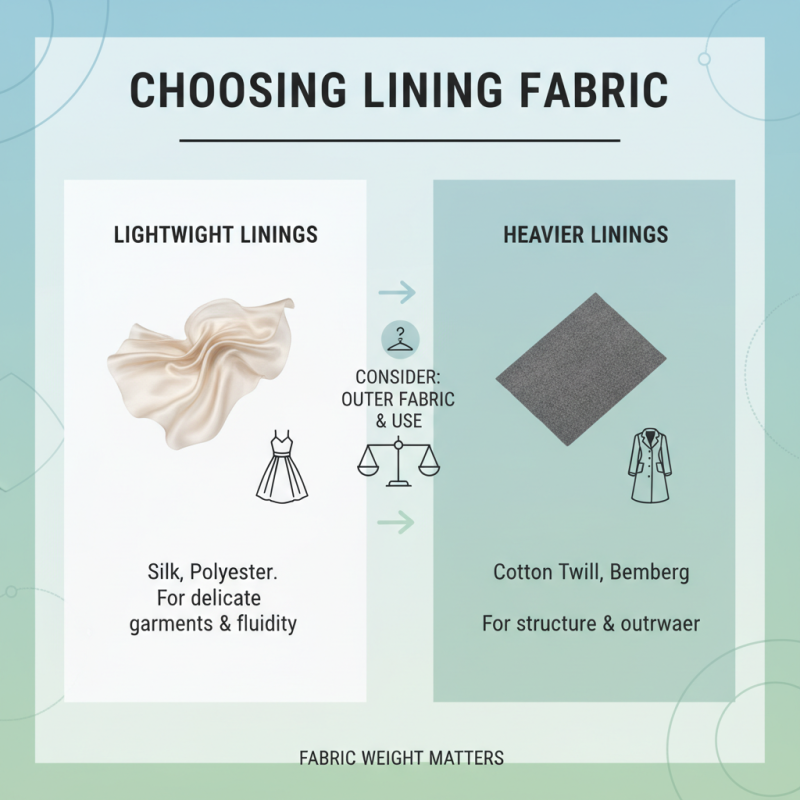
Additionally, the weight of the lining fabric plays a crucial role in the overall look and feel of the finished project. Lightweight linings are perfect for delicate fabrics, allowing the outer layer to flow beautifully, while heavier linings provide structure and support to the garment. When considering a lining material, think about its opacity, as well; a lining should either enhance or conceal the characteristics of the outer fabric. Ultimately, understanding these types and characteristics will enable you to choose the most appropriate lining textile that complements your sewing project effectively.
Choosing the Right Lining Textiles for Sewing Projects
This chart illustrates the drapability of different lining textiles on a scale from 1 to 10, helping you to determine which fabric may be best suited for your next sewing project based on its characteristics.
Factors to Consider When Choosing Lining Fabric
When selecting the perfect lining fabric for your sewing project, several key factors must be taken into account. First and foremost is the weight of the fabric. Lining textiles come in various weights, and the correct choice will depend on the outer fabric and the intended use of the garment. For instance, lightweight silk or polyester linings are excellent for delicate fabrics, while heavier options like cotton twill provide more structure to outerwear.
Another important consideration is the texture of the lining fabric. Depending on the feel you want for your garment, you should choose a lining that complements the outer material. A smooth lining will enable garments to slip on easily, while a more textured fabric may add warmth and stability to the outfit. Additionally, think about the breathability of the fabric. Natural fibers such as cotton can help regulate temperature, making them more suitable for summer wear, whereas synthetic fibers can provide insulation for colder climates. By carefully evaluating these factors, you can choose the lining fabric that best enhances your sewing project.
How to Evaluate Fabric Weight and Drapability
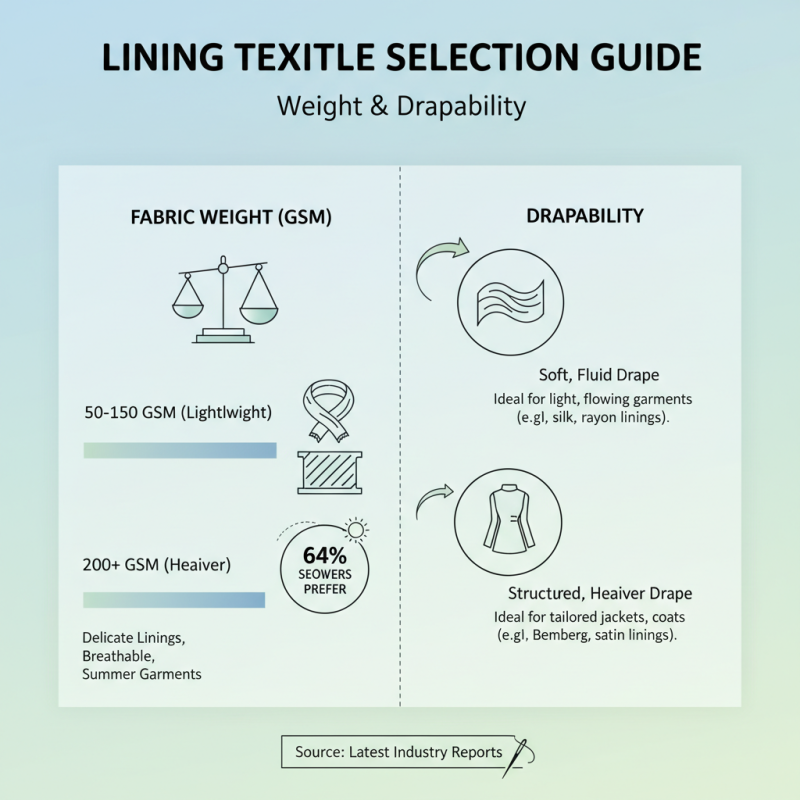
When selecting a lining textile for sewing projects, understanding fabric weight and drapability is crucial. Fabric weight is commonly measured in grams per square meter (GSM), with lighter fabrics (around 50-150 GSM) being ideal for delicate linings, while heavier fabrics (over 200 GSM) provide durability and warmth. According to the latest industry reports, 64% of sewers prefer lightweight linings for summer garments, favoring breathability and comfort without sacrificing quality.
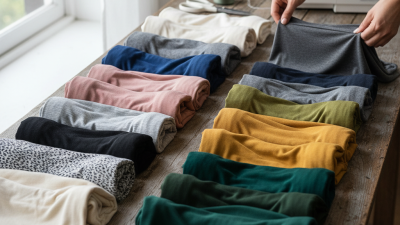
Drapability refers to how a fabric falls and flows, significantly influencing how a garment moves with the body. Fabrics with a soft, fluid drape, such as silk or lightweight rayon, are often chosen for garments that require elegant silhouettes. Research indicates that 75% of designers prioritize drape in their selection process, recognizing its key role in garment aesthetic and fit. Testing a textile’s drapability can be as simple as hanging a sample and observing how it hangs—this practice helps predict how the finished garment will behave. Understanding these factors will ensure a successful selection of lining that enhances both the functionality and look of your sewing project.
Matching Lining with Outer Fabric for Optimal Results
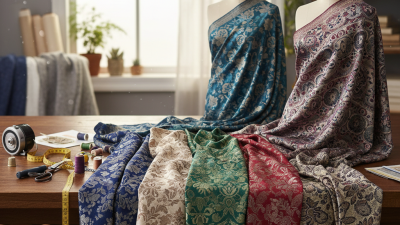
When selecting a lining textile for your next sewing project, matching it with your outer fabric is essential for achieving optimal results. The right combination can enhance the garment's structure, comfort, and overall aesthetic appeal. Consider the weight and drape of both fabrics; a lightweight lining can provide a smooth finish without adding bulk, while a heavier outer fabric might require a sturdier lining to maintain the design's integrity. Natural fiber linings, like cotton or silk, can breathe well and offer comfort, while synthetic options might provide more durability and stain resistance.
Color and pattern coordination is also crucial when pairing lining with outer fabric. A contrasting lining can create a fun surprise when a garment is unbuttoned or lifted, while a matching color can offer a more sophisticated and seamless look. Additionally, think about how the lining will interact with the outer fabric in terms of textures. For instance, pairing a textured outer fabric with a smooth lining can create visual interest and elevate the garment’s feel. Paying attention to these details not only enhances the practicality of your sewing project but also contributes to an overall polished finish.
Care and Maintenance Tips for Lining Textiles in Projects
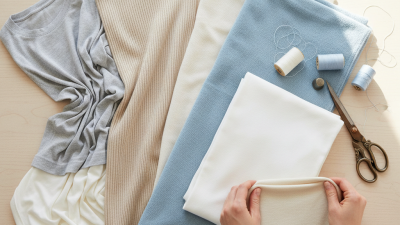
When selecting lining textiles for your sewing projects, understanding care and maintenance is essential to ensure longevity and appearance. First, always check the fabric composition of your chosen lining. Natural fibers like cotton or silk may require specific washing methods, while synthetic linings often tolerate machine washing. Before starting your project, pre-wash your lining fabric according to the manufacturer's instructions to prevent shrinking and to test for colorfastness. This step will ultimately enhance the durability of the finished product.
Once your project is complete, proper care is crucial to maintain the integrity of the lining. When washing finished items, use a gentle cycle and cold water to minimize wear and fade. Avoid using bleach or harsh detergents, which can deteriorate the fibers over time. When drying, air drying is often the best option, as high heat can warp or damage linings, particularly those made from delicate materials. Additionally, ironing may be necessary to keep the lining looking fresh; however, always use a low heat setting and consider placing a cloth between the iron and fabric to prevent scorching. By following these care tips, you can keep your sewing projects looking beautiful and extending the life of your chosen lining textiles.