How to Choose the Best Polyester Stretch Material for Your Needs?
Choosing the right Polyester Stretch Material can significantly impact various industries. It’s widely used in fashion, sportswear, and upholstery. According to a recent report, the global polyester stretch fabric market is estimated to reach $12 billion by 2025. This growth reflects its popularity in activewear and everyday clothing.
When selecting this material, consider your specific needs. Different blends offer unique properties such as breathability, moisture-wicking, and comfort. However, not all polyester stretch fabrics are created equal. Issues like durability and environmental impact require careful evaluation. The production of polyester contributes to microplastic pollution. Striking a balance between performance and sustainability is essential.
Have you ever felt disappointed with a fabric's performance? Selecting the right polyester stretch material can prevent such dissatisfaction. Look for certifications, and research the manufacturers. It’s crucial to ensure you're choosing a fabric that meets both functional and ethical standards.
Understanding Polyester Stretch Material Types and Properties
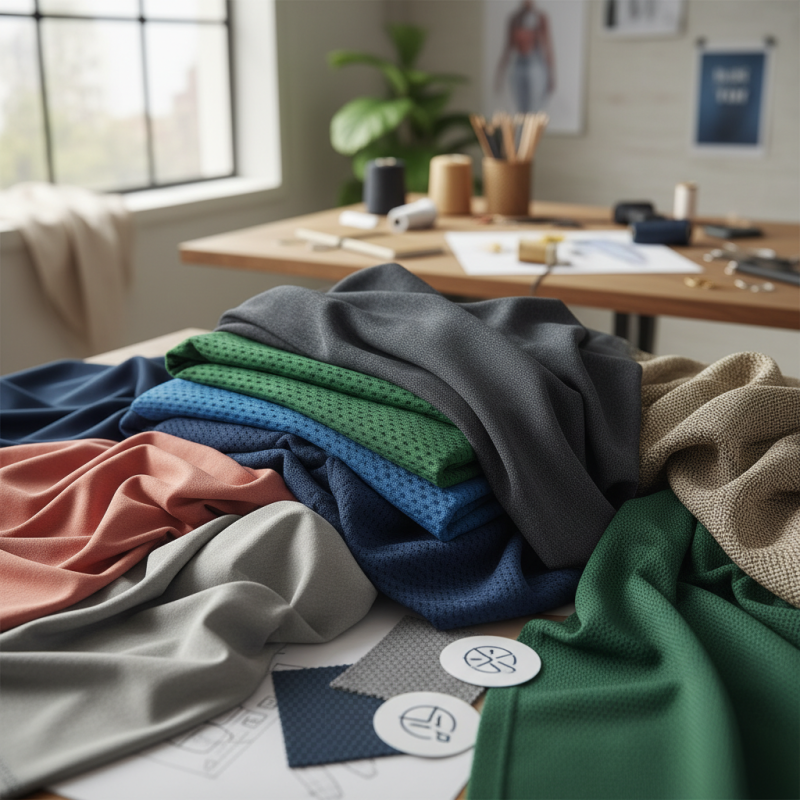
When choosing polyester stretch material, it is essential to understand its types and properties. Polyester stretch fabrics vary significantly. Some offer high elasticity, while others provide more structure. Common types include spandex blends and knitted polyester. Each type serves different purposes.
Consider your project requirements when selecting material. For example, sportswear often needs more elasticity for comfort. Home décor might require a sturdier fabric. Look for a balance between stretch and recovery. This ensures longevity.
**Tips:** Always request fabric swatches before purchasing. They give you a better feel. Test the material for breathability and comfort. Some may feel stiff initially but soften over time. Don’t rush the decision. Take the time to compare different properties.
Polyester Stretch Material Properties Comparison
Evaluating the Stretch and Recovery Features of Polyester Fabrics
When evaluating polyester fabrics, focus on their stretch and recovery features. Stretch refers to how much the fabric can expand without losing shape. Recovery is how well it returns to its original form after being stretched. These properties are crucial for achieving comfort and longevity in any clothing item.
Consider the percentage of elastane blended into the polyester. A higher percentage usually means better stretch. However, too much stretch can compromise durability. Look for fabric samples to assess their feel. Some polyester blends may feel soft, while others may feel stiff. Testing the fabric’s elasticity by gently pulling is essential.
Not every polyester fabric can meet the demands of every application. Sometimes, a material may stretch beautifully but sag over time. Other fabrics might bounce back well but lack the initial stretch. Imagine a pair of leggings that lose shape after a workout. It can be disappointing. Always conduct a test before making a final choice, and do not hesitate to reflect on your needs.
Analyzing Fabric Weight and Durability for Your Specific Needs
When choosing a polyester stretch material, fabric weight and durability are crucial. A lighter fabric may offer comfort and breathability, ideal for summer wear. However, it might lack durability. Heavier fabrics provide strength but can feel restrictive. Balancing these factors is essential based on how you plan to use the material.
Whether designing activewear or casual clothing, consider your specific needs. For high-performance garments, look for medium-weight polyester. This option provides enough stretch and strength for activities. It’s vital to check if the fabric can withstand multiple washes without losing its shape. If you prioritize comfort, lighter fabrics may be appealing, yet they often show wear faster.
The choice between weight and durability can be challenging. Some fabrics hold their shape but can be stiff. Others are soft yet flimsy. Understanding your own preferences might require some trial and error. Experimenting with different blends could provide insights. Fabric selection is not just a science; it's an art.
Considering Breathability and Comfort in Polyester Stretch Materials
When choosing polyester stretch materials, breathability and comfort are vital. Data shows that breathable fabrics help regulate body temperature. According to a report by the Textile Research Journal, breathable materials can increase comfort by 30% during physical activity. Understanding how breathability works can guide your choices.
Polyester stretch materials often feature moisture-wicking properties. This means they draw sweat away from your skin. However, not all polyester fabrics perform equally. Some might retain heat, causing discomfort. Look for materials labeled as "high-performance" for better airflow. Pay attention to weight and fabric structure, as these factors can affect comfort levels drastically.
Tips: Always check the fabric's GSM (grams per square meter). A lower GSM typically indicates lighter material, which enhances breathability and comfort.
Also, consider your activity. For vigorous workouts, opt for lighter, more breathable polyester blends. If the material feels sticky or too warm, it might not be the right choice. Ultimately, finding the perfect polyester stretch material requires experimentation. What works for one person may not work for another.
Selecting the Right Polyester Blend for Different Applications
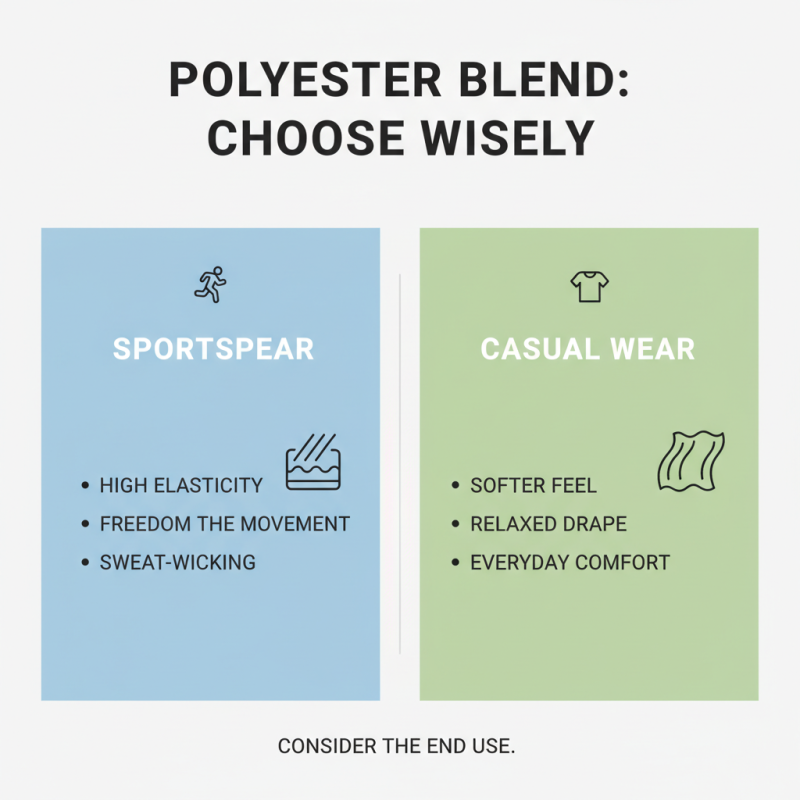
When selecting the right polyester blend, consider the application. Some blends offer more stretch, while others focus on durability. For sportswear, a high-elasticity blend is ideal. This allows freedom of movement and comfort. However, for casual wear, a softer, relaxed blend may be better chosen. Think about the end use.
**Tips:** Look for features that suit your needs. If you need breathability, check for moisture-wicking properties. When shopping, feel the fabric. Does it stretch well? Can it withstand wear and tear? Understanding these details helps in making the right choice.
Polyester blends also impact how fabrics respond to washing. Some blends shrink more than others. This can affect sizing and comfort. Do keep in mind that not all blends are equal. A softer blend might not hold its shape as well over time. Reflect on these aspects when making a decision.