How to Choose the Best Stretch Mesh Fabric for Your Projects?
Choosing the right Stretch Mesh Fabric can significantly impact your projects. Sarah Johnson, a textile expert, once said, "The fabric you choose defines the final product." Her insight highlights the importance of making an informed choice.
Stretch Mesh Fabric is versatile and comes in various weights and textures. This type of fabric is commonly used in sportswear, home décor, and even medical applications. It offers breathability and elasticity, making it a favorite for many designers. However, not all stretch mesh fabrics are created equal. Some may lack durability, while others may not provide the desired stretch.
Evaluating your project needs is essential. Consider the fabric’s properties, such as weight and opacity. Some fabrics may appear perfect but might not perform well under stress. Reflections on these aspects can guide you in selecting the best material. Remember, the journey to find the ideal Stretch Mesh Fabric may involve some trial and error.
Understanding Stretch Mesh Fabric and Its Types
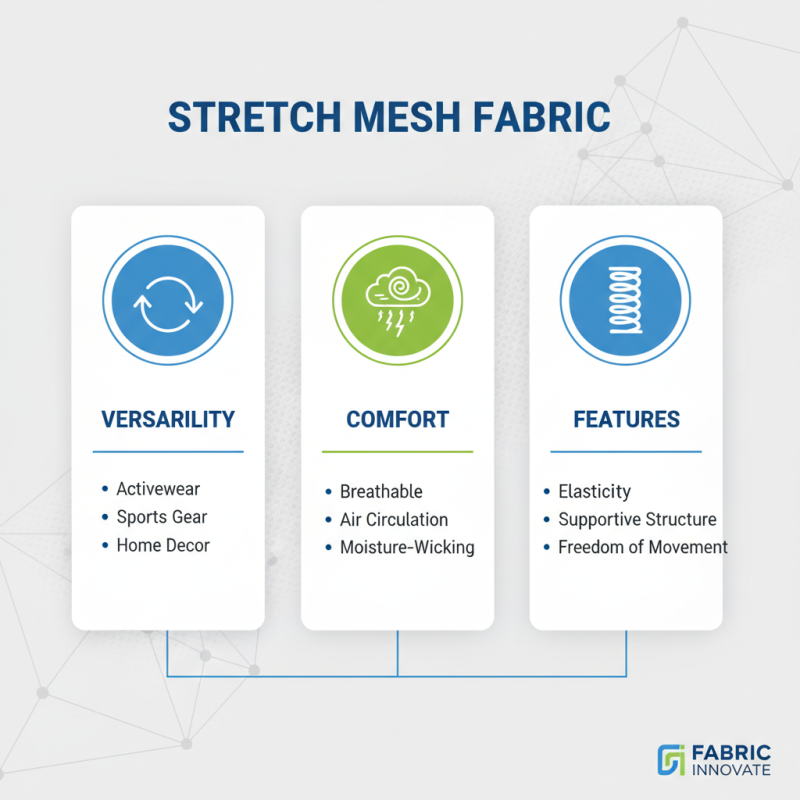
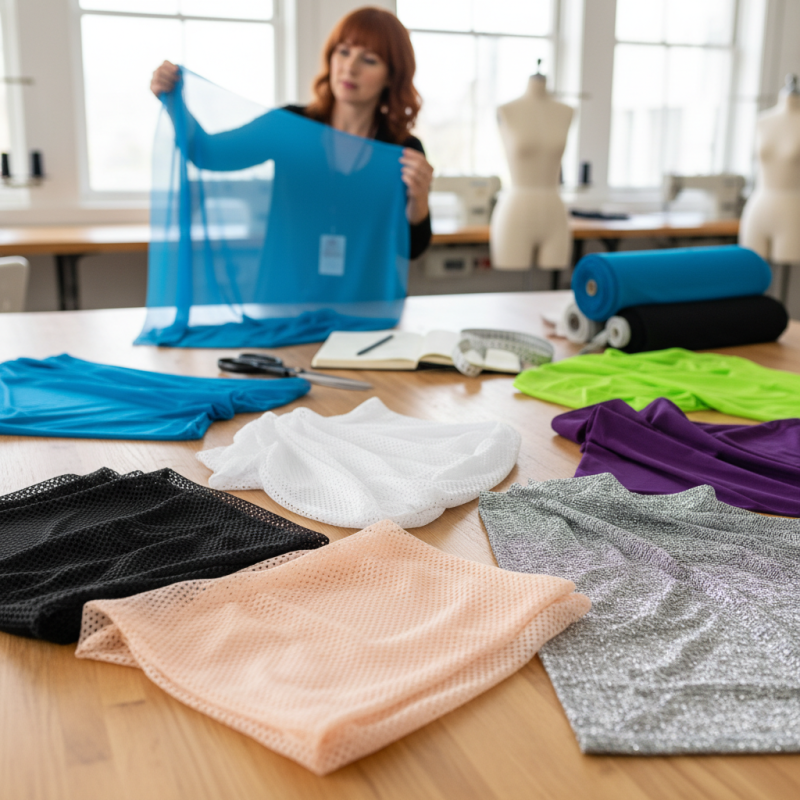
Stretch mesh fabric is known for its versatility and comfort. It consists of an open weave that allows air circulation, making it perfect for various applications. This breathable material is often used in activewear, sports gear, and even home decor. It combines elasticity with structure, allowing for free movement while providing support where needed.
There are different types of stretch mesh fabric. Some have a tighter weave, offering more durability, while others are looser, enhancing breathability. Each type serves a specific purpose. For example, a thicker mesh may be great for bags or outdoor gear. On the contrary, a lighter mesh suits clothing items that require flexibility. Sometimes, unexpected results occur when using the wrong type, leading to dissatisfaction.
Choosing the right type can be tricky. Consider the project's requirements carefully. Think about stretch, texture, and intended use. Every detail matters. Not accounting for these factors may lead to unintended outcomes. This could result in a garment being too tight or a bag falling apart. Make sure to test samples when possible. Reflect on what works and what does not.
Assessing the Stretch and Recovery Properties of Mesh Fabrics
When choosing the best stretch mesh fabric, understanding stretch and recovery properties is crucial. Research shows that fabrics with a high spandex content exhibit better stretch capabilities. These fabrics can stretch up to 50% more than their original size and still return to shape. This recovery aspect is vital in applications like activewear, where movement is constant.
Tip: Test several mesh samples. Stretch them in different directions. Look for how well they return to their original form. Fabrics that do not bounce back raise concerns. They tend to lose shape more quickly, affecting the garment's overall fit and comfort.
The stretch ratio varies. A study found that 70% of mesh fabrics tested had a stretch factor below four. This data suggests that many options may not provide sufficient flexibility for high-performance needs. Additionally, consider the fabric's breathability. Some highly stretchy fabrics may lack adequate airflow, leading to discomfort during wear.
Tip: Pay attention to fabric weight and composition. Lightweight materials may offer superior breathability. However, they must also maintain strength. Balancing lightness with durability is essential when selecting mesh fabrics. Look for options that feel good and perform well, allowing you to make informed decisions for your projects.
Evaluating Durability and Breathability for Your Specific Needs
Choosing the right stretch mesh fabric can be overwhelming. Think about your needs carefully. Durability and breathability are key factors. You want fabric that can withstand wear and tear. But it must also allow airflow. Some materials may look appealing but fail in function.
Durability is often measured by thread count and material strength. Higher thread counts typically indicate better durability. However, a lower count may provide necessary stretch. Check if the fabric can handle repeated use. A quick test can reveal its resilience. Stretch it and observe any damage.
Breathability is essential, especially for garments. Fabrics that trap moisture can lead to discomfort. Look for mesh fabrics with a loose weave. This promotes airflow and helps keep you cool. Remember, a balance between both qualities is crucial. Sometimes a fabric may excel in one area but lack in another. Consider your specific project needs and make a choice accordingly.
Choosing the Right Weight and Thickness for Your Project
When selecting stretch mesh fabric, weight and thickness play crucial roles. The weight affects the fabric's drape and durability. Generally, lighter weights (around 100-150 GSM) are ideal for garments that require movement and breathability. In contrast, heavier weights (over 200 GSM) provide sturdiness, suitable for items like bags or outdoor gear. According to industry data, about 67% of designers prioritize weight when choosing materials.
Thickness impacts the opacity, stretch, and overall feel. Thicker fabrics often offer better support but may limit mobility. Thinner options allow for more fluid movements but can sometimes compromise coverage. A study also indicated that 45% of consumers prefer fabrics with a balanced combination of weight and thickness for comfort.
Choosing the best option can be challenging. Some may overlook the effect of garment use, leading to dissatisfaction. For example, lightweight mesh that feels good may not hold up in high-stress situations. Designers need to evaluate the intended use and how different weights and thicknesses interact with their fabric choice.
How to Choose the Best Stretch Mesh Fabric for Your Projects? - Choosing the Right Weight and Thickness for Your Project
| Fabric Type |
Weight (gsm) |
Thickness (mm) |
Stretch % |
Ideal Uses |
| Lightweight Mesh |
90 |
0.5 |
20% |
Sportswear, Lining |
| Medium Weight Mesh |
150 |
0.8 |
40% |
Activewear, Swimwear |
| Heavyweight Mesh |
200 |
1.0 |
60% |
Outerwear, Industrial |
| Extra Heavy Mesh |
300 |
1.5 |
80% |
Costumes, Performance Wear |
Comparing Cost and Performance Among Different Stretch Mesh Fabrics
When selecting the best stretch mesh fabric, comparing cost and performance is vital. According to industry reports, performance characteristics like breathability and elasticity greatly vary across different types of stretch mesh. Polyester blends are often cheaper, usually around $5 per yard, while high-performance nylon mesh can be $10 or more. This price difference stems from material quality, which directly influences durability and comfort.
Over 60% of users prioritize stretchability. Fabrics with 4-way stretch can outperform those with just 2-way stretch in flex and fit. A recent study reported that 4-way stretch fabrics maintain their shape better over time. However, cheaper options might end up costing more in the long run due to wear and tear. Understanding these factors can lead to better choices for specific projects.
Additionally, machine washability is a must for active wear. Fabrics that fray or lose color after a few washes are unwise investments. Test samples before committing—many suppliers offer small pieces for evaluation. Reflecting on initial choices can reveal oversight. Are cost savings worth potential quality losses? These considerations make a difference in the long-term success of your projects.