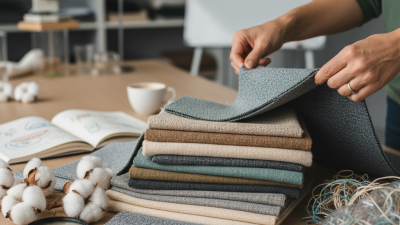
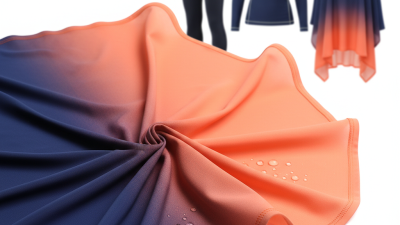
How to Choose Polyester Fabric for Global Sourcing in 2026?
Choosing Polyester Fabric for global sourcing in 2026 requires more than comparing price per kilogram. Buyers must examine fiber origin, recycled content, performance, factory capability, and documentation. A fabric roll may look perfect under showroom lights, yet fail after washing, dye migration, or repeated abrasion. Small details matter. GSM, denier, weave density, stretch recovery, and colorfastness should match the final product.
La Rhea Pepper, a respected circularity leader and former Textile Exchange managing director, said, “We need to move from a linear to a circular system.” Her statement offers a useful direction for polyester buyers. Sourcing decisions should consider recycled polyester options, responsible chemical management, traceable supply chains, and practical end-of-life limitations. However, recycled content alone does not prove a fabric is sustainable. That assumption needs challenging.
This guide explains how to assess Polyester Fabric suppliers across major sourcing regions. It covers technical specifications, recycled and virgin polyester, certifications, testing, minimum order quantities, lead times, and landed cost. Buyers should request transaction documents, laboratory reports, and recent production samples. A certified fabric can still be unsuitable for a lightweight jacket or children’s sportswear if its construction is wrong.
Experience teaches an uncomfortable lesson: the cheapest quote may become the most expensive choice. Late shipments, uneven dye lots, and failed inspections quickly change the calculation. In 2026, reliable sourcing will depend on measurable evidence, careful communication, and suppliers willing to disclose limitations. No fabric is perfect. Good sourcing recognizes that early.
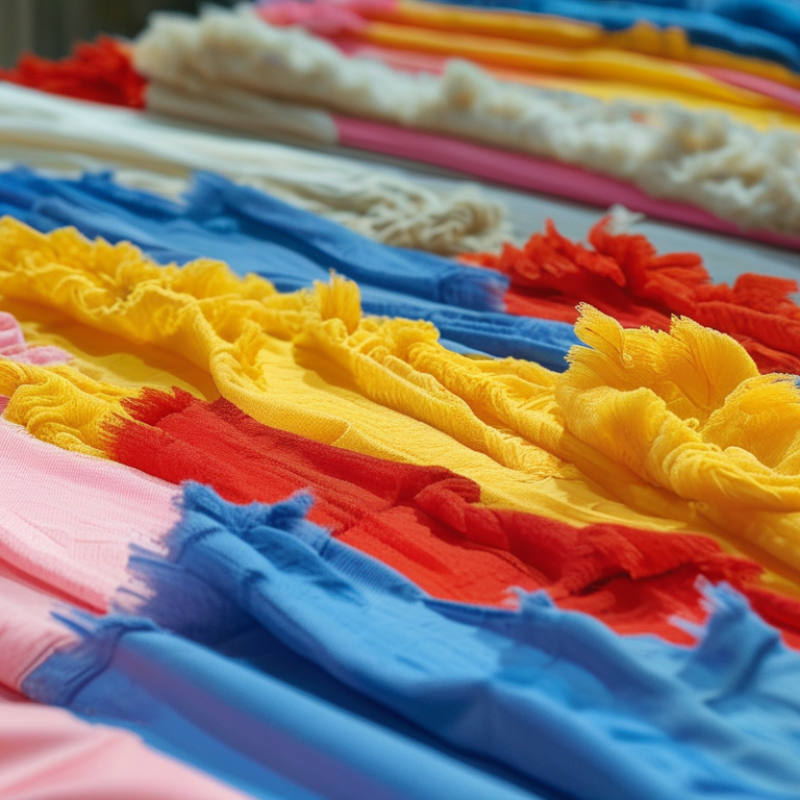
Define the Performance Requirements for Your Polyester Fabric
Before requesting polyester fabric quotations, define how the fabric must perform.
A soft hand feel is not enough. Specify the finished product, wearing conditions, and expected service life. A lightweight lining may need 60–90 GSM, while workwear often requires higher density and stronger tear resistance.
Measure the critical properties with clear targets.
For active garments, check moisture management, stretch recovery, air permeability, and colorfastness after washing.
For bags, test tensile strength, tear strength, abrasion resistance, and seam slippage. For home textiles, evaluate pilling, shrinkage, and dimensional stability. State acceptable limits, not vague terms like “high quality.” Independent testing based on recognized ISO or ASTM methods improves comparison between suppliers.
Ask for a production sample, not only a small swatch.
A swatch can hide uneven dyeing, coating variation, or stiffness across the roll. Request test reports, fiber content details, GSM records, and inspection photos from different roll sections.
I have seen specifications focus heavily on price while ignoring zipper abrasion or repeated washing. That gap becomes expensive later.
My checklist is not perfect either; climate, care habits, and transport conditions can change the result. Recheck assumptions with real-use trials before approving bulk production.
Compare Polyester Fiber Types, Weaves, and Surface Finishes
When choosing polyester for global sourcing in 2026, start with the fiber structure, not only the price. Filament polyester creates a smooth, strong surface for shirts, linings, and activewear. Spun polyester feels more cotton-like and hides minor yarn irregularities. Microfiber offers a soft touch, but it can attract dust and require careful finishing. Recycled polyester supports traceability goals, yet its quality may vary between suppliers. Request test reports and production samples.
The weave changes both appearance and performance. Plain weave is stable, light, and usually economical. Twill gives better drape and often resists surface wear. Satin looks refined, but its floating yarns can snag easily. For uniforms or travel garments, I usually check abrasion results, seam slippage, and dimensional stability after washing. A beautiful sample can still fail in bulk production. That mistake is expensive.
Surface finishes create the final impression. Brushing adds warmth, while peaching produces a soft, matte hand. Calendering can increase smoothness and shine, but excessive pressure may reduce breathability. Water-repellent or moisture-management finishes should be tested after repeated laundering, not only before shipment. Ask whether the finish changes the fabric’s color, odor, or recycling potential. I have seen suppliers describe a fabric as “soft” when the softness disappeared after three washes. A clearer specification would have prevented that. Always compare finish performance with the intended climate, garment use, and local care conditions.
Evaluate Quality Standards, Certifications, and Supplier Capabilities
Choosing polyester for global sourcing in 2026 requires more than comparing price and fabric weight. Textile Exchange’s Materials Market Report 2024 recorded global fiber production at about 124 million tonnes in 2023. Polyester represented roughly 57% of that volume, making verification especially important. Ask suppliers for fiber content tests, GSM results, colorfastness reports, and shrinkage data from independent laboratories.
Certifications should match the purchase risk. OEKO-TEX STANDARD 100 helps assess harmful substances in finished fabric. The Global Recycled Standard supports recycled-content claims and chain-of-custody checks. ISO 9001 indicates a quality-management system, while ISO 14001 addresses environmental management. However, a certificate can expire or cover only one facility. Check the certificate scope, issue date, production site, and transaction records.
Supplier capability is visible in small details. Request a sealed production sample, batch number, inspection plan, and corrective-action record. Reliable mills should explain polymer sources, spinning controls, dyeing temperatures, wastewater treatment, and testing frequency. The 2024 Textile Exchange report also showed recycled polyester remained a significant part of polyester supply, yet recycled claims still require evidence. Do not accept a recycled-content percentage from a spreadsheet alone. I would also test three production batches, not one. That costs more, but one approved sample can hide uneven dyeing, barre, or unexpected pilling. My process is not perfect; laboratory results can differ slightly from factory measurements. Retesting questionable results is wiser than trusting attractive paperwork.
Calculate Total Sourcing Costs, Lead Times, and Import Risks
Choosing polyester fabric for global sourcing in 2026 requires more than comparing roll prices. Textile Exchange’s Materials Market Report 2024 states that polyester represented about 57% of global fiber production in 2023. This scale improves availability, but it also creates quality differences between mills. Request test data for weight, width, shrinkage, colorfastness, and recycled content. Small variations can increase cutting waste.
Calculate total sourcing cost per usable meter. Include fabric price, testing, packaging, inland transport, freight, insurance, duties, customs fees, and warehouse handling. A simple formula helps: landed cost equals supplier cost plus every border-related charge. The World Bank’s Logistics Performance Index 2023 shows major differences in customs efficiency and shipment timeliness across markets. Therefore, a cheaper port route may create expensive delays. Use at least two freight quotations and check seasonal capacity before booking.
Lead time should include production, inspection, document review, port handling, and clearance. Add a practical buffer. Maybe ten to fifteen days. That estimate is imperfect. It should be reviewed against the supplier’s last six shipments, not optimistic promises. UNCTAD’s Review of Maritime Transport 2024 highlights the continued vulnerability of global shipping to disruptions and schedule changes. Confirm tariff classification, origin evidence, fiber declarations, and restricted-chemical compliance with qualified customs professionals. One missing document can hold a container longer than expected. The risk is often administrative, not technical.
Validate Samples and Select a Reliable Global Manufacturing Partner
How to Choose Polyester Fabric for Global Sourcing in 2026?
A reliable fabric decision begins with physical samples, not online photos. Request several polyester weights, weaves, finishes, and color standards from each supplier. Check softness, recovery, surface flaws, shrinkage, and color stability after washing. A sample may look excellent under showroom lights but fail beside a window. Test it in realistic conditions.
Tips: Keep a sample record with fabric composition, weight, width, test results, and approval dates. Ask for laboratory reports that match the exact production fabric. Confirm whether recycled content is independently verified. Small details matter. They prevent expensive misunderstandings.
Selecting a manufacturing partner requires more than comparing unit prices. Review factory experience, production equipment, quality controls, worker safety practices, and export documentation. Request a live video tour or an independent facility assessment. Speak with recent customers when possible. A dependable partner explains limitations clearly and accepts measurable quality targets. One early sample I approved later showed uneven dyeing after repeated washing. That mistake changed my process. Now, I require wash tests, shade checks, and a pre-production sample before placing a larger order. Even experienced buyers can overlook a weak seam or inconsistent roll tension. Build correction time into the schedule. Confirm communication hours, escalation contacts, inspection points, packaging details, and responsibility for rejected goods in writing. Reliability is visible in these practical responses.