How to Choose the Right Textile Fabric for Your Needs?
Choosing the right textile fabric is crucial for any project. Different fabrics serve various purposes. The right choice impacts the final look, feel, and functionality of your item.
Textile fabric comes in countless varieties. From cotton to silk, the options can be overwhelming. Each fabric has its unique properties and uses. Consider the fabric's durability, breathability, and texture when making your selection. Think about your project’s needs and the environment where it will be used.
Reflecting on your choices can be enlightening. Sometimes we overlook fabric care requirements. Not all fabrics are machine washable, which might pose challenges. Evaluating every aspect of textile fabric can lead to better decision-making. Remember, the perfect fabric may not exist. Balancing aesthetics with practicality is key.
Understanding Different Types of Textile Fabrics Available on the Market
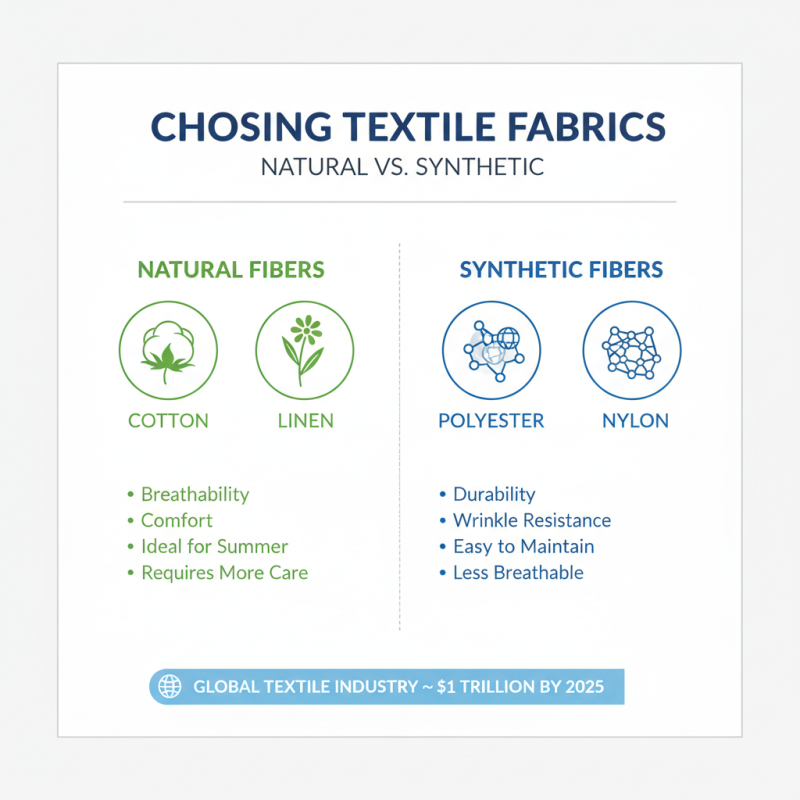
When selecting textile fabric, understanding the different types available is crucial. The global textile industry is estimated to reach $1 trillion by 2025, highlighting the diversity of options for consumers. Natural fibers, like cotton and linen, are popular due to their breathability and comfort. These fabrics are ideal for summer wear. However, they often require more care. Synthetic fabrics, such as polyester and nylon, offer durability and resistance to wrinkles. They are often easier to maintain but can lack breathability.
Sustainability is increasingly important. Reports indicate that around 60% of fabric production contributes to environmental pollution. Consumers face a dilemma: choose eco-friendly materials or prioritize cost and convenience. Recycled polyester is gaining traction, offering a viable alternative. However, not all recycled fabrics maintain the same quality as their virgin counterparts.
Choosing the right fabric depends on your needs. For instance, upholstery fabrics need to withstand wear and tear. Performance fabrics, such as moisture-wicking materials, are essential for activewear. Each type of textile serves a specific purpose. It's vital to consider lifestyle and usage. The right fabric can enhance comfort and durability while aligning with individual values.
Evaluating the Durability and Maintenance Requirements of Fabrics
When choosing textile fabric, durability is a key factor. Research indicates that fabrics like polyester and nylon can last significantly longer than cotton. For instance, polyester has a tensile strength nearly 50% higher than that of cotton. This means that fabrics that resist wear can save money over time by reducing the need for replacements.
Maintenance requirements also vary. Some fabrics require frequent washing, impacting their lifespan. A report from the Textile Research Journal shows that cotton typically endures fewer wash cycles than synthetic options. Regular washing of cotton can lead to shrinkage and fading, especially when exposed to high temperatures. In contrast, synthetic fabrics often handle repeated washes better, maintaining their appearance and fit.
It's essential to evaluate how often a fabric will be used. Upholstery fabrics often face heavier wear than those used for drapery. Choosing a fabric that suits your specific requirements is not straightforward. While a fabric may look appealing initially, its long-term durability and upkeep can reveal flaws in your selection process. Balancing aesthetic and functional needs is crucial, yet challenging, when selecting the right textile fabric.
Identifying Fabric Characteristics Based on Intended Use and Functionality
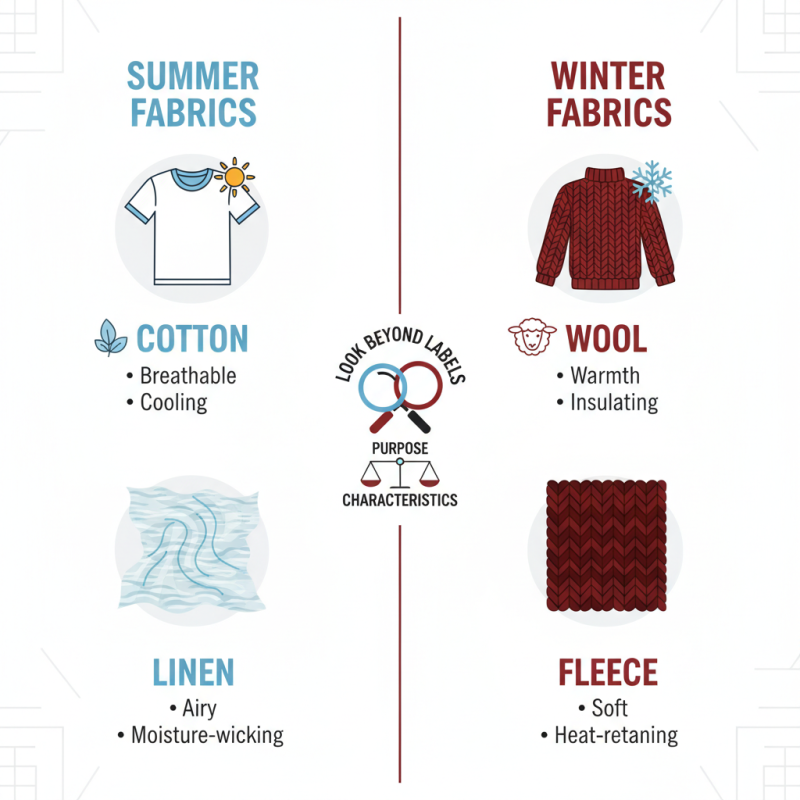
When selecting fabric, understanding its characteristics is crucial. Different fabrics serve different purposes. For instance, cotton is breathable and perfect for summer wear. Wool, on the other hand, offers warmth but can be heavy. Manufacturers often market various fabrics aggressively. But, one must look beyond labels.
Think about the fabric's texture too. A smooth silk might be beautiful but isn't practical for everyday use. Likewise, canvas can withstand wear but lacks elegance. The right choice depends on the intended function. Consider durability, comfort, and maintenance. Rough fabrics may irritate the skin, while delicate ones require special care.
Color and pattern are also essential. Some fabrics absorb dye better than others. They will fade over time if not cared for properly. It’s a delicate balance despite all the available options. You might choose the wrong fabric based on looks alone, leading to dissatisfaction. Reflecting on each textile's qualities helps in making informed decisions.
Considering Environmental Impact and Sustainability of Textile Choices
Choosing the right textile fabric goes beyond mere aesthetics. It's essential to consider the environmental impact and sustainability of your choices. The textile industry is known for its heavy resource consumption and waste production. By being mindful of your fabric selection, you can contribute to a more sustainable future.
When selecting fabrics, look for materials that are biodegradable or recyclable. Organic cotton is a better choice than conventional cotton. It uses less water and avoids harmful pesticides. Linen, made from flax, also has a smaller environmental footprint. However, these options might not always be easy to find. Sometimes, they can be more expensive, raising questions about accessibility.
Tips for making sustainable choices:
- Check the labels for certifications. Look for eco-friendly tags.
- Consider the lifecycle of the fabric. Will it last? Will it degrade?
- Support local manufacturers when possible. This reduces carbon footprints.
Reflect on your choices. Are you opting for convenience over sustainability? It’s easy to overlook these details. Yet, every informed decision counts in reducing textile waste.
How to Choose the Right Textile Fabric for Your Needs? - Considering Environmental Impact and Sustainability of Textile Choices
| Fabric Type |
Sustainability Rating |
Environmental Impact |
Durability |
Uses |
| Organic Cotton |
High |
Low chemical usage |
Moderate |
Apparel, home textiles |
| Recycled Polyester |
Medium |
Reduced plastic waste |
High |
Athletic wear, outdoor gear |
| Linen |
High |
Biodegradable, less water |
High |
Summer wear, tablecloths |
| Tencel (Lyocell) |
High |
Sustainable wood sources |
Moderate |
Clothing, bed sheets |
| Bamboo Fabric |
Medium |
May involve chemicals |
Moderate |
Shirts, activewear |
Choosing the Right Fabric for Specific Projects or Applications
When choosing fabric for a project, consider the project's purpose. Different applications require different materials. For instance, upholstery projects need durable fabrics, while clothing often calls for softer, breathable options. Pay attention to the fabric's weight and drape. A lightweight fabric may work well for flowy garments but could be unsuitable for structured designs.
Tips: Always test a fabric sample before purchasing. It can help prevent costly mistakes. Check how the fabric feels against your skin. Comfort should never be compromised.
In addition, think about the fabric's care requirements. Some materials require dry cleaning, while others are machine washable. This factor often gets overlooked during selection. Additionally, consider the fabric's environmental impact. Sustainable options are growing in popularity but can sometimes be more expensive.
Ultimately, each project is unique. Reflect on what works best for your specific needs. Don’t rush the decision. Fabric selection is essential to the project's success.
Choosing the Right Textile Fabric for Your Needs