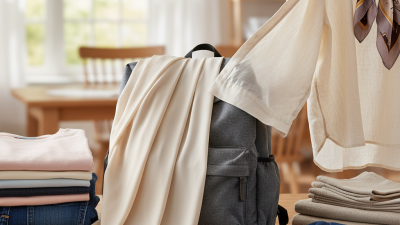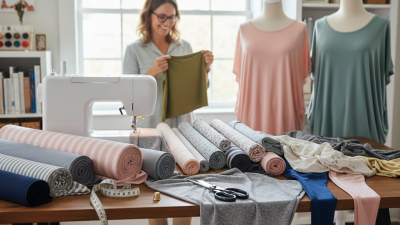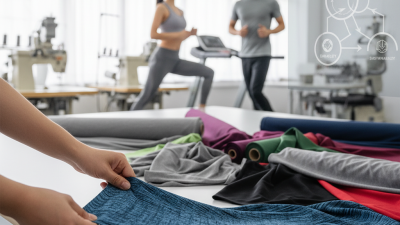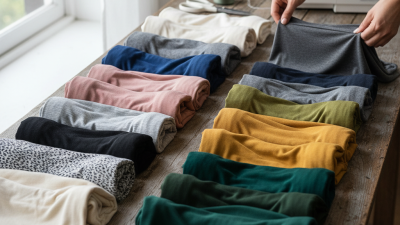
Choosing the right cotton and fabric is essential for various projects. Cotton and fabric are versatile, widely used materials. The way they are selected affects comfort, durability, and style. Many people overlook key factors when making this choice.
When shopping, consider the purpose first. Are you sewing clothing, curtains, or upholstery? Each need requires different qualities. For instance, lightweight cotton is suitable for summer clothes. Heavier fabric works well for furniture.
Feel free to experiment with patterns and textures. Don't be afraid to mix and match. However, understand that some combinations may not work as well as envisioned. The fabric's weight and feel are just as important as the design. Reflect on how cotton and fabric will serve you in the long run. Making informed choices can lead to fulfilling results and occasional surprises in your crafting journey.
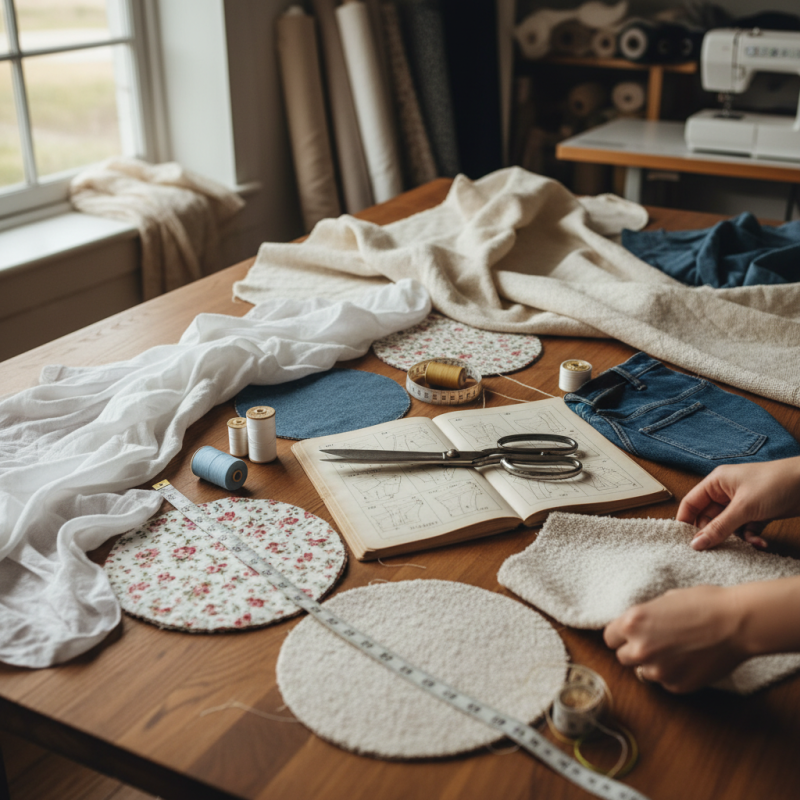
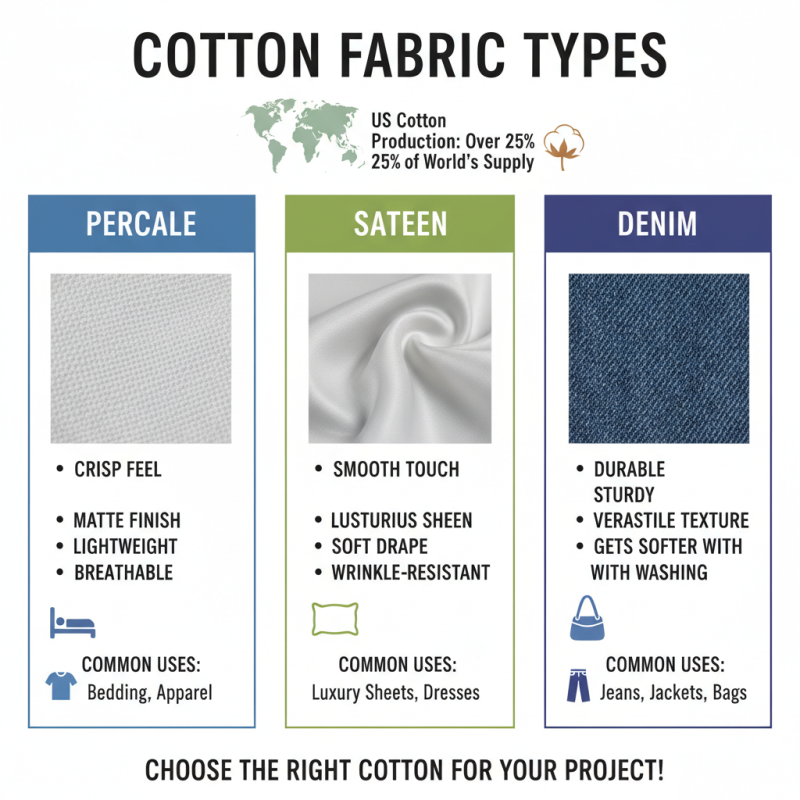
When selecting cotton for projects, understanding the different types is crucial. Cotton fabrics vary significantly, affecting durability, comfort, and cost. For instance, U.S. cotton production accounts for over 25% of the world's supply, with a range of types available. There’s percale, sateen, and denim, each with unique characteristics. Percale offers a crisp feel, while sateen brings a smooth touch. Denim, on the other hand, provides durability and versatility.
Quality matters. An industry report by Textile Exchange states that organic cotton occupies only about 1% of the global market yet is gaining traction. Many consumers seek sustainable options. However, organic cotton is often pricier. The challenge lies in balancing cost with quality. Many may choose blended fabrics, but these might compromise breathability.
One must also consider the environmental impact. The water usage in cotton farming is substantial. A single shirt can consume over 700 gallons of water, raising concerns about sustainability. While cotton's softness and breathability make it an attractive choice, the hidden costs can be daunting. Choosing the right fabric demands informed decision-making, blending personal preference with environmental responsibility.

When selecting cotton and fabric, understanding fabric weight is crucial. It directly influences comfort, durability, and suitability for various applications. Fabric weight is often measured in grams per square meter (GSM) or ounces per square yard, providing a clearer picture of its thickness and heaviness. For example, a standard cotton t-shirt might weigh around 160 GSM, suitable for everyday wear.
Choosing the right weight helps avoid pitfalls. Lightweight fabrics like voile (around 80-120 GSM) are great for summer items but may lack durability for heavy use. On the other hand, medium-weight fabrics such as standard cotton twill (around 200-250 GSM) can be versatile for both clothing and home textiles.
Tip: Consider your climate when choosing fabric weight. Heavier fabrics may trap heat and feel uncomfortable in warm weather. Think about how wearers will use the fabric. A curtain made from an overly heavy fabric may not drape well.
Lightweight options can be delicate, while heavier fabrics might feel sturdy but may not provide the comfort you desire. Always balance your needs with the fabric's characteristics to achieve the best results.
When choosing fabric for your project, understanding weave patterns is crucial. Different weaves offer varying textures and durability. For instance, plain weave is simple yet versatile. It is often used for shirts and lightweight garments. This pattern allows for easy breathability.
On the other hand, twill weave has a distinct diagonal pattern. It provides more structure, making it suitable for items like denim and upholstery. A mistake many make is overlooking the weight of the fabric. Heavier fabrics can feel luxurious but may not work for every design.
Consider the final use of the fabric. If it’s for a summer dress, you may want lightweight cotton. For home décor, a sturdy canvas might be better. Reflect on your needs; sometimes, the best choice isn't the most obvious. Choosing the right weave can enhance both the look and function of your fabric.
When selecting fabric, durability and maintenance are key factors. High-quality cotton is typically strong and long-lasting. However, not all cotton is created equal. Some fabrics may feel soft but can wear out quickly. Look for tighter weaves and finer threads. These usually indicate better durability.
Maintenance is another vital aspect. Different fabrics require different care. Some might be machine washable, while others need hand washing. Checking the care label is essential. A fabric that looks good but is hard to maintain can lead to frustration. Consider how much time you're willing to spend on upkeep.
Lastly, test the fabric's resilience. Pull, stretch, and examine the weave. Does it bounce back? You want fabric that withstands daily use. Reflect on your lifestyle and habits. Will you be stained by food spills or dog paws? Choose accordingly to avoid constant headaches with cleaning.
When choosing cotton and fabric, it’s vital to consider sustainable options. Organic cotton is grown without harmful pesticides. This benefits both the environment and the farmers. Additionally, look for fabrics made from recycled materials. They reduce waste and lessen the demand for new resources.
Ethical sourcing practices are equally important. Ensure that workers are treated fairly. Look for certifications that indicate safe working conditions. Transparency in the supply chain can help you make better choices. Remember, not all brands follow ethical guidelines. It’s your responsibility to ask questions.
Sometimes, the lure of lower prices can lead you astray. A cheaper fabric might come with hidden costs. Poor working conditions and environmental damage could be the trade-off. It’s essential to reflect on how your choices impact the world. Investing in sustainable options may require more effort but often leads to better overall quality.
| Tip | Description | Sustainability Factor | Ethical Sourcing |
|---|---|---|---|
| 1. Research Fiber Types | Understand different types of cotton and their properties. | Organic cotton is more sustainable. | Look for Fair Trade certified sources. |
| 2. Check Fabric Weight | Heavier fabrics are often more durable. | Select substantial fabrics for longevity. | Choose suppliers with responsible production methods. |
| 3. Evaluate the Weave | Different weaves impact feel and durability. | Satin weaves may require more resources. | Ensure the production involves ethical labor standards. |
| 4. Look for Certifications | Certifications indicate environmental and labor standards. | Certifications like GOTS ensure sustainability. | Check for social compliance in sourcing. |
| 5. Test for Shrinkage | Pre-shrink fabrics to avoid post-wash issues. | Organic cotton often has less shrinkage. | Source from companies that pre-wash their fabrics. |
| 6. Consider Color Fastness | Fabrics should resist fading and running. | Avoid textiles treated with harsh chemicals. | Seek natural dye options. |
| 7. Factor in Ease of Care | Choose fabrics that are easy to maintain. | Natural fibers often require less chemical cleaning. | Pick suppliers emphasizing eco-friendly care instructions. |
| 8. Mind the Source | Source cotton from regions with sustainable practices. | Local sourcing reduces carbon footprint. | Work with manufacturers promoting social responsibility. |
| 9. Assess Texture and Feel | Choose textures that align with purpose and comfort. | Soft, unprocessed cotton is better for skin. | Community-based artisans often provide quality fabrics. |
| 10. Consult Experts | Get advice from fabric experts for your specific needs. | Experts can guide on eco-friendly choices. | Consider consulting organizations specializing in ethical sourcing. |