Top Sources for Free Fabric Samples for Global Buyers?
In the dynamic world of textiles, the demand for high-quality materials is increasing. Global buyers seek affordable options to enhance their product lines. Free fabric samples offer a unique solution. According to industry reports, 75% of buyers prioritize sample quality before making purchases. This trend highlights the importance of testing materials firsthand.
Many manufacturers and suppliers now provide free fabric samples. This approach allows buyers to evaluate texture, durability, and color accuracy. With over 50% of consumers preferring eco-friendly textiles, opportunities arise for companies offering sustainable samples. However, this leads to challenges in sourcing. Not all suppliers maintain the same standard of quality, and navigating this landscape can be complex.
Effective sourcing requires diligence. Buyers must research credible vendors to receive authentic fabric samples. Many platforms exist, but not all are reliable. This inconsistency could lead to disappointment and wasted resources. Understanding the marketplace ensures informed decisions when accessing free fabric options.
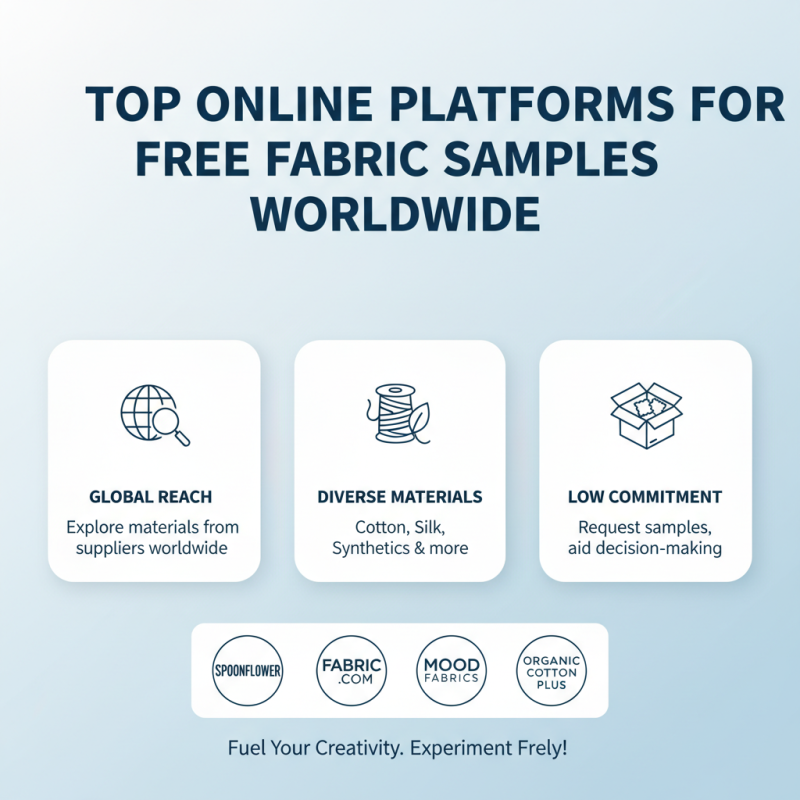
Top Online Platforms for Free Fabric Samples Worldwide
When looking for free fabric samples online, several platforms cater to global buyers. These resources allow users to explore materials from various suppliers without high commitment. They invite creativity and experimentation. Buyers can request samples from different categories, including cotton, silk, and synthetic materials. High-quality images and descriptions often accompany these samples, aiding decision-making.
While seeking samples, one must be cautious. Not all platforms have the same level of reliability. Some may offer limited selections. Buyers should read reviews and gather feedback to ensure authenticity. Additionally, the shipping process can vary. Some suppliers take longer than expected. Thus, planning becomes essential for those working under tight deadlines.
Take time to evaluate the samples received. Consider texture, color representation, and overall quality. Sometimes, what looks good online doesn’t match reality. This reflection can influence future purchases. A thoughtful approach can lead to better fabric choices. Engaging with sample platforms is a journey, filled with exploration and learning opportunities.
How to Request Fabric Samples from Manufacturers Effectively
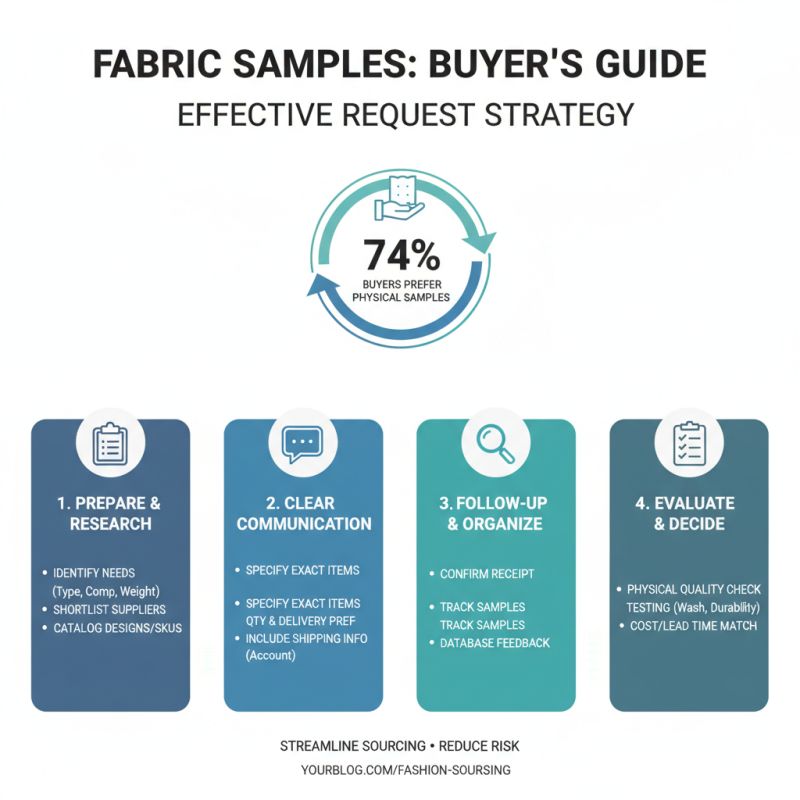
Requesting fabric samples from manufacturers is a critical step for global buyers. Understanding how to do it effectively can significantly impact your sourcing success. A recent industry report highlights that 74% of buyers prefer to evaluate physical samples before making purchasing decisions. This emphasizes the importance of how you approach the sample request process.
Start by crafting a concise and polite request when reaching out to manufacturers. Clearly state your needs and specify the types of fabrics you are interested in. According to sourcing experts, a clear outline can improve your acceptance rate by up to 60%. Consider attaching your company profile to build credibility. Include details such as your target market and order volumes to better persuade manufacturers of your intentions.
Moreover, follow up respectfully if you do not receive a response within a week. Persistence, balanced with professionalism, shows your genuine interest. However, be mindful of not overwhelming manufacturers with requests. This balance is essential, as some companies may consider frequent inquiries as spam. Striking the right tone reflects an understanding of the industry and builds lasting connections.
Tips for Navigating International Fabric Sample Supply Chains
Navigating international fabric sample supply chains can be challenging. Understanding the nuances of global trade is essential for buyers. Different countries have varying regulations and shipping practices. This can influence delivery times and costs. Familiarity with these factors can make a significant difference.
Pay attention to the documentation required for imports. Missing or incorrect paperwork can delay your samples. Communicating clearly with suppliers is crucial. Ensuring that they understand your requirements can prevent misunderstandings. Request detailed tracking information to monitor the progress of your shipments.
Be prepared for potential shipping delays. Factors like customs inspections and transportation strikes can affect delivery. Patience is key. Have backup options in place in case a sample doesn't arrive on time. Building strong relationships with reliable suppliers can help mitigate these issues. Seeking bidirectional feedback can also enhance the supply chain experience.
Top Sources for Free Fabric Samples
Understanding Shipping Options for Global Fabric Sample Delivery
When sourcing fabric samples from around the world, understanding shipping options is crucial. Different carriers have various strengths and weaknesses. Some may offer faster delivery but at a higher cost. Others may be more economical but take longer to reach the destination. Always consider both speed and reliability when choosing a shipping method.
In certain regions, customs regulations can be tricky. Packages can get delayed due to paperwork or inspections. This could potentially disrupt your sourcing timeline. Therefore, it may be helpful to familiarize yourself with local customs policies. Engaging with suppliers who understand these complexities can save time and headaches.
Monitoring shipment progress is also vital. Real-time tracking can help you anticipate arrival times and adjust accordingly. However, delays often happen, so flexibility is key. Prepare for unexpected situations by planning for longer lead times. This adaptability can make your sourcing experience smoother and more efficient.
Evaluating Quality: What to Look for in Free Fabric Samples
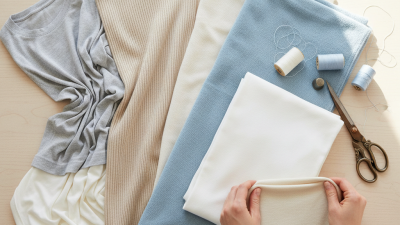
When evaluating free fabric samples, quality is paramount for global buyers. Key attributes to assess include texture, durability, and color. A recent industry report indicated that 72% of professionals prioritize fabric integrity over aesthetic alone. The feel can determine how well the fabric drapes and fits. Therefore, touch and visuals are crucial during your evaluation.
Look for fabric density and weave structure. Thicker samples often suggest better durability. However, lightweight materials may be more suitable for certain designs. A survey revealed that 63% of designers preferred fabric weight fitting the final garment's purpose. Testing the fabric’s response to tension can also reveal much about its long-term viability.
Inclusions of comparative fiber content are essential when receiving samples. Understanding the mix of natural versus synthetic fibers can guide quality expectations. Yet, not all samples reflect their larger counterparts. A notable 58% of buyers found discrepancies between sample quality and bulk fabric. This gap further emphasizes rigorous testing to ensure the fabric aligns with project needs. Always keep an eye on inconsistencies that may be overlooked in the initial stages.