Free Fabric Tips for Sourcing Quality Materials Globally?
In the ever-evolving world of textiles, sourcing quality materials is crucial. Experts like Linda Chen, a renowned fabric sourcing specialist, emphasize the importance of understanding the nuances of the "Free Fabric" market. She once stated, “Quality often lies hidden; it takes a keen eye to unveil it.”
The global textile industry faces challenges in identifying high-grade materials. Sourcing quality fabric demands extensive knowledge and experience. Factors like fabric composition, durability, and aesthetic appeal play significant roles in making informed choices. One must consider the environmental impact and ethical implications as well, adding layers of complexity to sourcing decisions.
Despite the advancements in technology, the quest for quality often remains imperfect. The available resources may not always meet expectations. Reflecting on sourcing strategies can reveal gaps in knowledge. Continuous learning and adaptation are essential in navigating this vast market of "Free Fabric." It's a journey filled with both triumphs and lessons learned.

Understanding Global Fabric Sourcing: A Comprehensive Overview
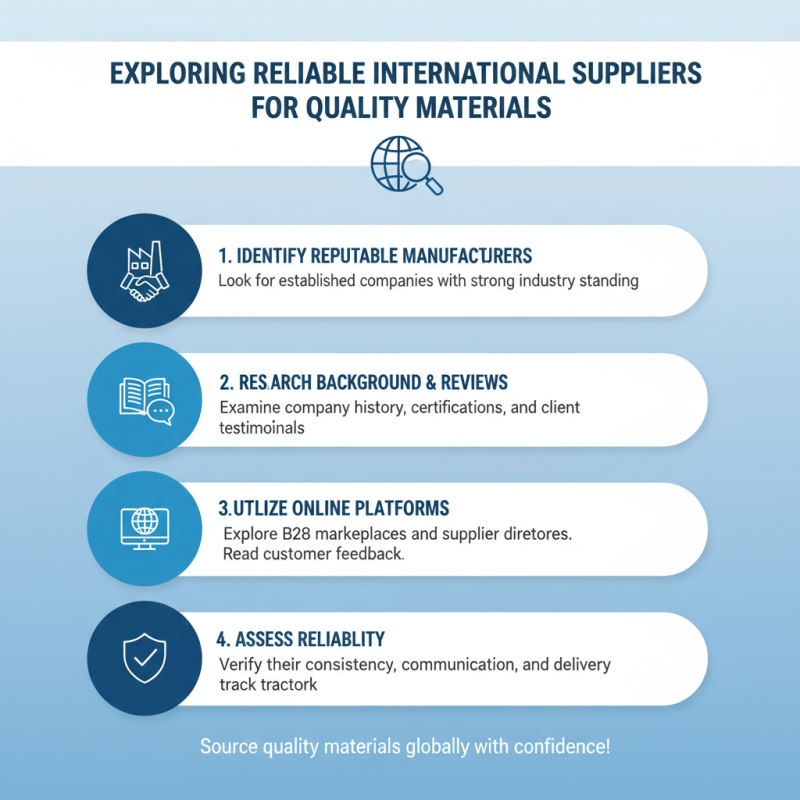
Global fabric sourcing has evolved significantly, influenced by multiple factors. In 2022, experts noted a 15% increase in demand for sustainable textiles. This trend is reshaping sourcing strategies. Companies are under pressure to find high-quality, eco-friendly materials. Looking beyond local markets is essential, but it requires an understanding of global resources.
Quality doesn't just depend on the fabric itself. It’s about the supplier’s reliability and production methods. A recent report highlighted that 70% of sourcing failures stem from poor supplier communication. Every choice impacts the final product's quality. It's not enough to just find a good fabric; understanding the sourcing process is critical.
Navigating various standards and regulations can be overwhelming. Different countries have unique quality control measures. A survey revealed that 45% of textile companies faced challenges in meeting international quality standards. This gap often leads to misplaced expectations and disappointed customers. Therefore, investing time in research and building relationships with suppliers is indispensable. Quality sourcing is a journey, not a destination.
Understanding Global Fabric Sourcing: Material Quality Comparison
Identifying High-Quality Fabrics: Key Factors to Consider
When sourcing quality fabrics globally, it’s crucial to identify the key factors. The feel of the fabric is often the first indicator of quality. High-quality fabrics tend to have a soft, smooth texture. Their weight is also an essential aspect; heavier fabrics often indicate durability.
Colors should be rich and vibrant, not faded. Look for fabrics that maintain their hue even after washing. Sourcing from reputable suppliers can guarantee the fabric's origin. Always check for certifications that ensure ethical and sustainable practices.
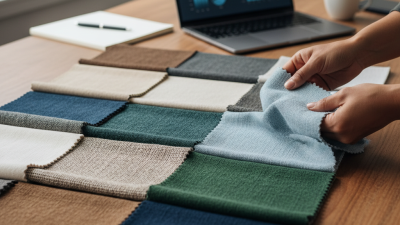
Some tips for sourcing include visiting local markets and trade shows. These venues offer a hands-on experience. Touching the fabric can reveal textures that photographs can't. Don’t rush the process; explore different options. Trust your instincts, and don’t hesitate to ask questions. Sometimes, a sample swatch can help you decide if a fabric meets your expectations or not.
Free Fabric Tips for Sourcing Quality Materials Globally
| Fabric Type |
Country of Origin |
Key Quality Indicators |
Average Price per Yard |
| Cotton |
USA |
Softness, Breathability, Durability |
$6 |
| Linen |
Belgium |
Natural luster, Strength, Eco-friendliness |
$10 |
| Silk |
China |
Shine, Smoothness, Lightness |
$20 |
| Wool |
Australia |
Insulation, Resilience, Wrinkle resistance |
$15 |
| Polyester |
Taiwan |
Durability, Water-resistance, Low cost |
$4 |
Evaluating Fabric Types: Characteristics and Uses in Fashion
When sourcing fabrics globally, understanding different types is crucial. Each fabric type has unique characteristics and uses in the fashion industry. For instance, cotton is a staple due to its softness and breathability. According to a report by the Fiber Economics Bureau, cotton accounted for over 32% of global fiber production in 2022. This highlights its popularity and reliability across various applications.
Silk, another high-demand fabric, is prized for its luxurious feel. However, it comes with a higher price point and requires careful maintenance. Industry reports indicate that silk prices have steadily risen, becoming a luxury commodity. Therefore, evaluating the use of silk should consider both its beauty and practicality.
Fabric Tip: When choosing fabrics, always check for certifications. Look for organic or sustainably sourced labels, which enhance credibility. Also, consider fabric weight and drape, as they affect the garment's final look. Keep in mind that some suppliers may have varying quality levels. It's wise to request samples before committing. This will help you avoid mistakes that could impact production timelines and costs.
Best Practices for Negotiating Prices and Terms with Suppliers
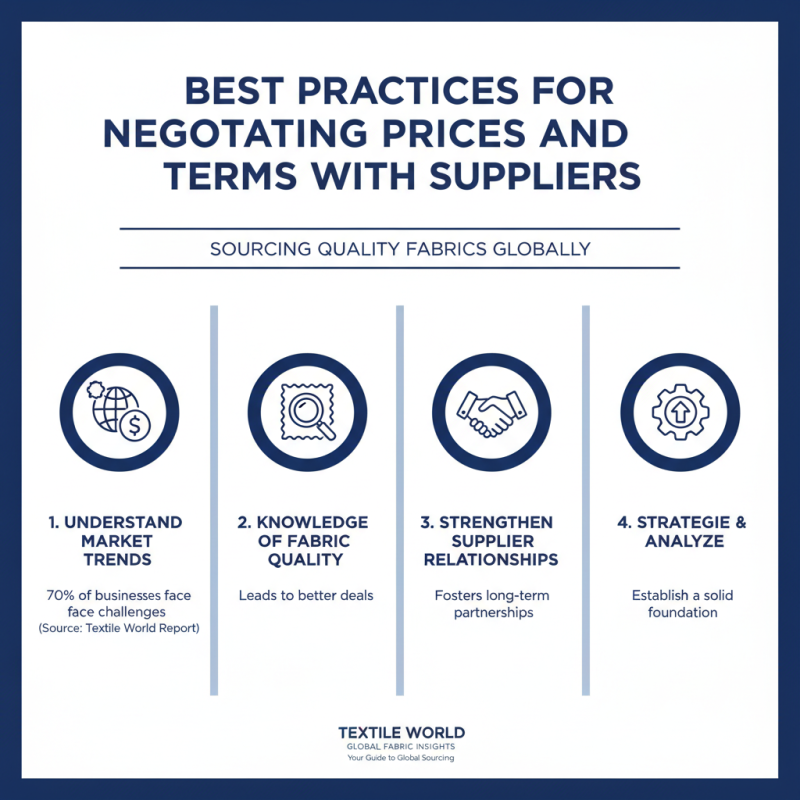
Negotiating prices and terms with suppliers is crucial in sourcing quality fabrics globally. According to the Textile World Report, 70% of businesses face challenges in price negotiations. Understanding market trends helps in establishing a solid foundation for negotiations. Knowledge about fabric quality can lead to better deals and strengthen relationships with suppliers.
To ensure effective negotiations, consider these tips. First, build a comprehensive understanding of your needs before contacting suppliers. Having clear specifications can guide discussions and minimize misunderstandings. Second, always ask for samples before finalizing purchases. This practice not only ensures product quality but also enhances your bargaining position.
Lastly, be open to exploring alternative suppliers when agreements don’t meet expectations. Flexibility can uncover better deals and favorable terms. Data shows that companies which regularly assess supplier performance can reduce costs by up to 15%. This ongoing evaluation fosters a culture of improvement and a willingness to adapt during negotiations.