What Makes Jersey Knit Fabric the Best Choice for China Sourcing?
Jersey Knit Fabric has become a pivotal choice for manufacturers and retailers sourcing from China. With the global apparel market projected to reach $2 trillion by 2025, selecting the right fabric is crucial. Experts agree that Jersey Knit Fabric stands out due to its versatility and comfort. According to Michael Chang, a textile industry expert, "Jersey Knit is unparalleled for its softness and stretch, making it ideal for modern apparel."
The demand for Jersey Knit Fabric has surged, particularly in activewear and loungewear segments. A recent industry report indicated that these segments grew by 25% in the last year alone. Manufacturers appreciate Jersey Knit because it requires fewer resources and has high production efficiency. However, challenges like quality control and sourcing consistency need attention.
Moreover, as the industry shifts towards sustainable practices, finding eco-friendly Jersey Knit options has become vital. Companies are exploring better ways to source and innovate within this fabric category. There’s potential for improvement in both sustainability and quality assurance. Jersey Knit Fabric is not just about comfort; it’s about responding to market demands while navigating ongoing challenges.
Benefits of Jersey Knit Fabric in Textile Manufacturing
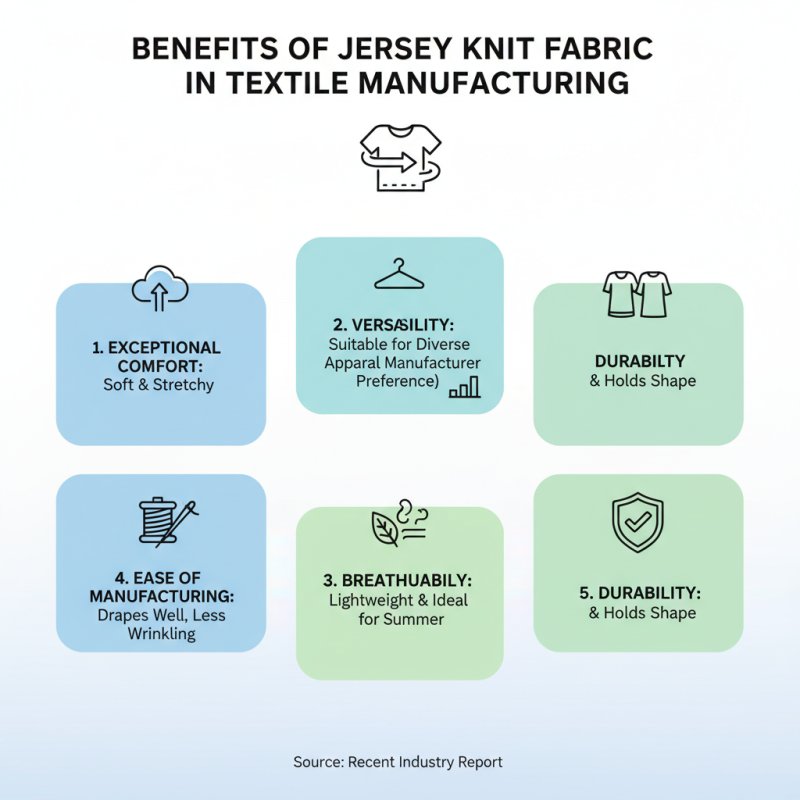
Jersey knit fabric stands out in textile manufacturing for several reasons. Known for its softness and stretch, it provides exceptional comfort. According to a recent industry report, over 60% of apparel manufacturers now prefer jersey knit due to its versatility. This fabric is suitable for diverse clothing types, from casual wear to sports apparel. Its lightweight nature enhances breathability, making it ideal for summer garments.
Moreover, the jersey knit’s ability to retain shape and resist wrinkling is a significant advantage. A study by the Textile Institute indicated that garments made from jersey knit maintain their appearance longer than those made from woven fabrics. This consistency reduces the need for frequent replacements, demonstrating its cost-effectiveness. However, while the fabric's stretch is a major benefit, it can also pose challenges in production. Ensuring quality control during garment assembly is crucial to avoid issues with fit and potential fabric distortion.
Jersey knit fabric also promotes sustainability in textile manufacturing. Since it requires less energy to produce compared to more complex weaves, it contributes to reduced waste. Yet, some manufacturers face difficulties sourcing eco-friendly dyes that maintain the fabric's qualities. This area reflects a need for further innovation. Balancing quality with sustainability remains a challenge in the industry.
Market Trends Influencing Jersey Knit Fabric Sourcing in China
Jersey knit fabric has gained significant traction in China sourcing due to evolving market trends. The demand for comfortable and versatile textiles continues to rise, attributed to an increase in athleisure wear and casual clothing. According to a recent report by Statista, the global athleisure market is expected to grow by 7.9% annually, reaching $257 billion by 2024. This trend highlights the growing preference for fabrics like jersey knit that provide stretch and breathability.
Sourcing stakeholders are also considering sustainability. The sourcing of eco-friendly jersey knit fabrics, made from organic cotton or recycled fibers, is on the rise. The Global Organic Textile Standard (GOTS) emphasizes environmentally responsible production, which resonates with consumers increasingly favoring green products. However, sourcing these materials can pose challenges, such as limited supplier availability and higher costs.
Quality control remains a critical concern. Not all jersey knits are created equal; fabric weight, color retention, and stretchability vary by manufacturer. It is essential for sourcing teams to evaluate suppliers extensively. Reports show that nearly 30% of sourcing issues arise from quality discrepancies. Prioritizing expert-led assessments can mitigate these risks and ensure high-quality outcomes.
Quality and Durability: Jersey Knit Fabric Performance Metrics
Jersey knit fabric stands out for its impressive quality and durability. Sourced from China, this material offers a unique combination of softness and strength. It is known for its excellent stretch and recovery, making it suitable for various applications. The elasticity of jersey knit allows it to maintain its shape, even after multiple washes. This feature is essential for garments that endure regular wear.
In addition to stretch, jersey knit fabric boasts moisture-wicking properties. This keeps the wearer comfortable in different climates. However, not all jersey knits perform equally. The quality can vary based on the manufacturing process and materials used. It’s crucial to choose suppliers who prioritize both craftsmanship and raw material sourcing.
Durability is often a concern. Cheaper variants may degrade faster, leading to pilling or fading. It prompts buyers to weigh cost against long-term performance. Investing in high-quality jersey knit fabric can lead to better satisfaction and less waste. Careful consideration of fabric source and manufacturing techniques remains necessary for optimal outcomes.
What Makes Jersey Knit Fabric the Best Choice for China Sourcing?
The following bar chart illustrates the quality and durability metrics of jersey knit fabric compared to other fabric types. These metrics include tensile strength, shrinkage rate, and colorfastness, which are essential for evaluating fabric performance.
Cost Efficiency and Economic Advantages of Jersey Knit Fabric
Jersey knit fabric stands out for its cost efficiency and economic advantages. This lightweight, stretchy material is ideal for various apparel. According to a recent report from the Textile World magazine, jersey knit fabric can reduce production costs by up to 25% compared to woven fabrics. This makes it a preferred choice for manufacturers focusing on budget-friendly options.
Using jersey knit can also reduce waste. The fabric’s elasticity allows for efficient cutting layouts, minimizing leftover material. Experts indicate that manufacturers can save an additional 15% on material costs through smart pattern designs. However, it is essential to ensure that quality control measures are in place. Cutting corners can lead to defects, affecting overall customer satisfaction.
Tips: Always choose reliable suppliers who prioritize quality. Regular audits of fabric quality can prevent costly mistakes later. When sourcing, consider local production facilities for faster turnaround times. Remember, balancing cost and quality is vital for long-term success in the apparel market.
Sustainability Practices in Jersey Knit Fabric Production in China
Jersey knit fabric has gained popularity in the textile industry, especially in China. This growth is partly due to increasing sustainability practices in its production. Many manufacturers are adopting eco-friendly materials, such as organic cotton and recycled fibers. A report by the Sustainable Apparel Coalition indicates that sustainable methods can reduce water consumption by up to 50% compared to conventional fabric production.
Additionally, a study by Textile Exchange highlights that brands using sustainable jerseys can lower their carbon emissions significantly. Moving towards circular production is crucial. Recycling and reusing materials in the jersey knit process minimizes waste. However, not all companies ensure complete adherence to these sustainability practices. Some still rely on traditional methods that harm the environment.
Tips: Always look for certifications like GOTS or OEKO-TEX. These labels indicate better environmental standards. Collaborating with manufacturers that prioritize sustainability can enhance your brand's reputation. Remember, transparency in sourcing is essential for maintaining consumer trust.