Understanding Lining Textile: Types, Uses, and Benefits Explained
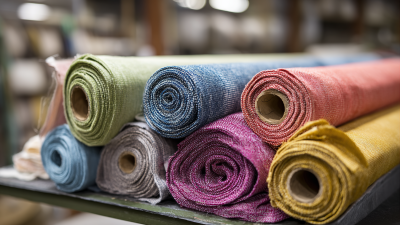
Lining textiles play a crucial role in the fashion and interior design industries, serving both functional and aesthetic purposes. According to industry expert Dr. Emily Hart, a renowned fabric technologist, "The choice of lining textile can significantly impact the performance and look of a garment or furnishing." This statement emphasizes the importance of understanding the different types of lining textiles available, their various uses, and the numerous benefits they offer.

In recent years, the demand for high-quality lining textiles has surged as designers seek to enhance the durability and comfort of their creations while also ensuring a polished finish. From silk to cotton, polyester to nylon, the diversity in materials reflects the versatility and adaptability of lining textiles in meeting various needs. This introductory exploration will provide insights into the classification of lining textiles, their specific applications across different sectors, and the advantages they bring to consumers and manufacturers alike. Ultimately, as illustrated by Dr. Hart's insights, recognizing the significance of lining textiles is essential for anyone involved in textile-related fields.
Types of Lining Textiles: An Overview of Common Materials in Fashion Industry
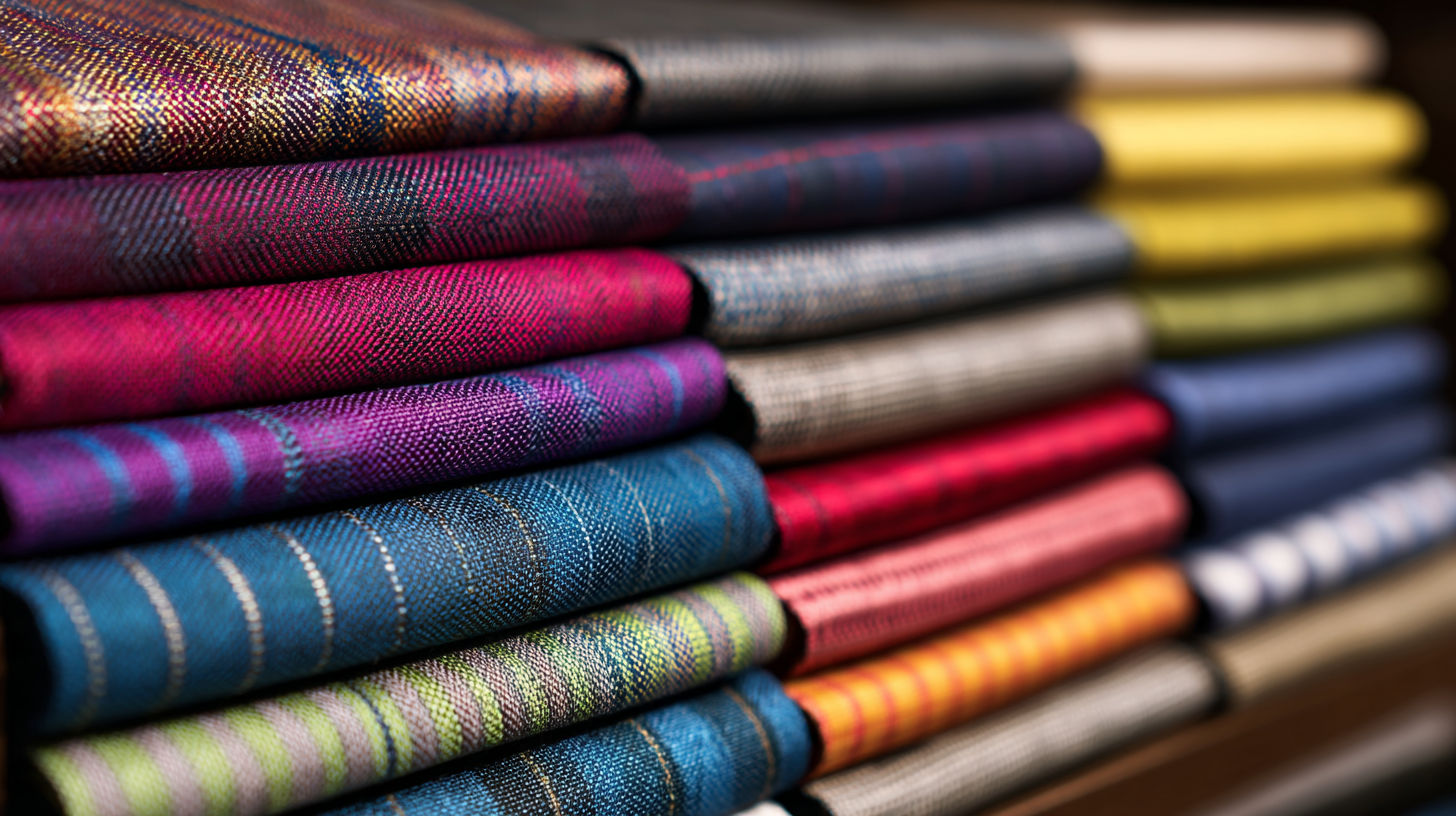 Lining textiles play a crucial role in the fashion industry, enhancing both the functional and aesthetic aspects of garments. Common materials used for lining include polyester, silk, cotton, and viscose. According to a recent report by Market Research Future, the global market for textile linings is projected to grow at a CAGR of 4.5% from 2021 to 2028, driven by the increasing demand for high-quality, sustainable clothing materials.
Polyester linings are particularly favored for their durability and moisture-wicking properties, making them suitable for a variety of clothing items, including jackets and trousers.
Silk linings, on the other hand, bring a touch of luxury and softness, often used in high-end fashion for formal wear and tailored suits. The versatility of cotton, known for its breathability, makes it a popular choice for everyday garments. The growing trend towards environmentally friendly materials has also led to an uptick in the use of eco-friendly linings made from organic cotton and recycled polyester. The push for sustainability is reflected in the Fashion Industry Charter for Climate Action, which encourages brands to integrate more sustainable practices into their production processes, including the selection of lining textiles that contribute to both style and environmental responsibility.
Key Characteristics of Different Lining Textiles: Comparing Performance and Durability
When it comes to choosing the right lining textile for various applications, it’s important to compare the performance and durability of different materials. Cotton and polyester linings are among the most common options, with polyester typically offering superior durability. According to a report by Textile Research Journal, polyester linings have a tensile strength that is 20-30% greater than that of cotton, which translates to a longer lifespan in garments and upholstery subjected to frequent wear.
Another notable option is silk, which provides an elegant finish and excellent breathability. However, its durability is lower compared to synthetic options. An industry analysis from the Fabric & Textile Research Association reveals that silk lining can show signs of wear and tear after only 15-20 washes, making it less suitable for casual wear. In contrast, nylon, with its high abrasion resistance, is often preferred for outdoor gear and performance apparel, maintaining its integrity even under harsh conditions. Each material's characteristics play a crucial role in determining its suitability for specific uses, impacting everything from garment comfort to overall longevity.
Common Uses of Lining Textiles: From Apparel to Upholstery Applications
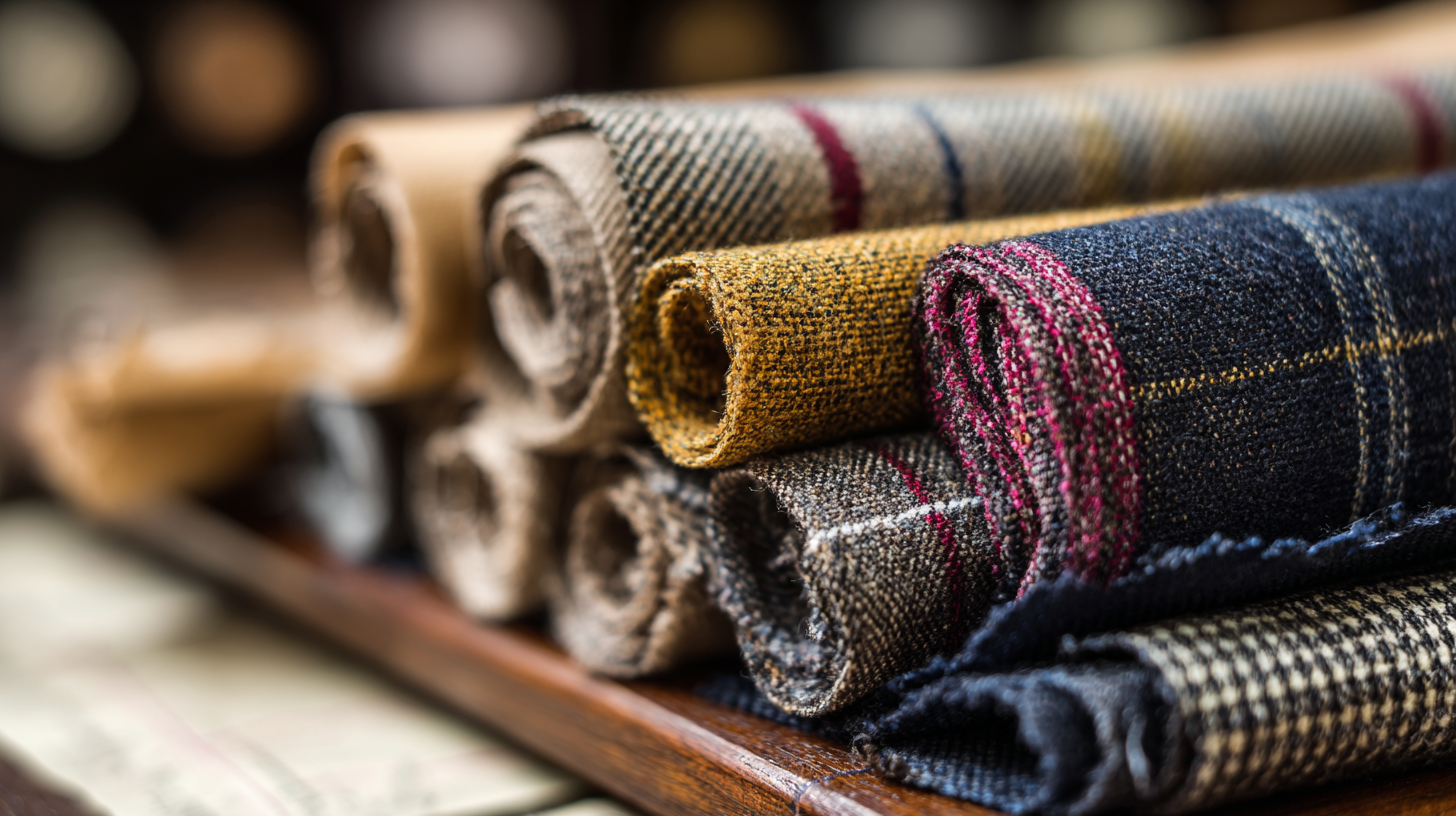
Lining textiles play a crucial role in various industries, particularly in apparel and upholstery. When it comes to clothing, linings provide not only comfort but also durability, enabling garments to maintain their shape and enhance their overall appearance. According to a recent report by the Textile Institute, over 30% of women’s outerwear utilizes a lining, which significantly improves the garment's quality and user experience. In upholstery, lining materials help protect the fabric from moisture and wear, prolonging the life of furniture. The market for upholstery textiles, including linings, is projected to reach $34 billion by 2026, as consumers increasingly prioritize both aesthetics and functionality in home decor.
**Tips:** When selecting lining textiles, consider using materials that are breathable, such as cotton or silk, especially for clothing. This choice not only increases comfort but also prevents sweating and sticking. For upholstery, polyester blends are often recommended due to their resilience and easy maintenance, making them a practical choice for high-traffic areas.
Furthermore, lining textiles can be tailored for specific functions; for instance, thermal linings are beneficial in outdoor apparel to enhance insulation. Specialty linings treated for water resistance are highly sought after in active wear, illustrating the versatility of these textiles across different applications. Investing in quality linings not only enhances the product’s performance but also elevates the overall consumer experience.
Common Uses of Lining Textiles
This bar chart illustrates the various applications of lining textiles across different categories, demonstrating their versatility and significance in both apparel and upholstery markets.
Benefits of Using Quality Lining Textiles: Enhancing Comfort and Longevity
Quality lining textiles play a critical role in enhancing both the comfort and longevity of garments. By incorporating high-quality linings, clothing manufacturers can significantly improve the overall wearability of their products. According to industry reports, garments with a well-constructed lining can extend their lifespan by up to 30%. This durability is essential, especially in the context of today's environmental concerns; purchasing fewer, but higher-quality items can mitigate the impact of clothing waste on the planet.
Moreover, quality lining textiles contribute to better thermal regulation and moisture management, which are vital for comfort. Studies have shown that fabrics designed with superior lining technology can help maintain a more stable body temperature, reducing the discomfort caused by temperature fluctuations. For example, linings made from breathable materials can wick moisture away from the skin, enhancing the user experience. This aspect is especially pertinent in activewear, where comfort and performance are of utmost importance. As consumers increasingly seek sustainable and functional apparel, the focus on quality lining textiles becomes a key factor in purchasing decisions.
Market Trends in Lining Textiles: Innovations and Sustainable Practices in the Industry
The market for lining textiles is experiencing significant growth, driven by innovations and a shift towards sustainable practices. As industries prioritize eco-friendly materials, the polyester fiber market is projected to expand from $82.07 billion in 2025 to $129.7 billion by 2032, reflecting a compound annual growth rate of 6.8%. This resurgence is prompting manufacturers to explore new methodologies in textile production, aiming to minimize environmental impact while meeting consumer demand for high-quality, durable fabrics.
In the evolving landscape of lining textiles, there is a notable emphasis on technological advancements and responsible sourcing. Companies are increasingly investing in research and development to create eco-conscious alternatives to traditional materials. These innovations not only cater to the growing market for sustainable products but also align with the broader goals of reducing carbon footprints and maintaining social responsibility. As these trends continue, the lining textile industry is poised to redefine its role in various applications, from automotive interiors to high-end fashion, showcasing the potential for growth and transformation in a competitive market.
Understanding Lining Textile: Types, Uses, and Benefits Explained - Market Trends in Lining Textiles: Innovations and Sustainable Practices in the Industry
| Type of Lining Textile |
Common Uses |
Benefits |
Market Trend |
Sustainable Practice |
| Polyester |
Coats, Jackets |
Durability, Wrinkle resistance |
Growing demand in outerwear |
Recycled polyester options |
| Silk |
Formal Wear, Linings |
Luxury feel, Breathability |
Increased interest in luxury fashion |
Ethically sourced silk |
| Cotton |
Shirts, Casual Wear |
Softness, Moisture absorption |
Shift towards comfort clothing |
Organic cotton use |
| Nylon |
Athletic Wear, Outdoor Gear |
Lightweight, Strong |
Rise in activewear popularity |
Innovations in biodegradable nylon |
| Acetate |
Dresses, Linings |
Shiny appearance, Drapability |
Trend towards elegant styles |
Sustainable acetate options |