What is Polyester Stretch and How is it Used in Fashion?
Polyester Stretch has become a cornerstone of modern fashion. This innovative fabric combines polyester fibers with elastic materials, providing superior flexibility and comfort. According to a report by Global Industry Analysts, the global market for stretch fabrics is projected to reach $31 billion by 2026, highlighting its growing importance in clothing design.
Industry expert Dr. Laura Johnson notes, "Polyester Stretch fabric redefines comfort and style." This statement reflects the increasing demand for fabrics that can offer both aesthetic appeal and functionality. As fashion evolves, designers are embracing Polyester Stretch for its ability to enhance fit while allowing freedom of movement.
While Polyester Stretch offers many benefits, its environmental impact raises questions. The production process can lead to microplastic pollution. As consumers become eco-conscious, the fashion industry should reflect on sustainable practices related to Polyester Stretch. Balancing style, comfort, and environmental responsibility remains a challenge worth addressing.

What is Polyester Stretch?
Polyester stretch is a unique fabric blend that combines polyester fibers with elastic materials. This fusion allows the fabric to stretch while retaining its original shape. The result is a material that moves with your body. It is particularly popular in activewear and casual clothing. This versatility makes it an essential choice in modern fashion.
Polyester stretch is known for its durability and resilience. It resists wrinkles and retains color well, contributing to its longevity. However, some might find it less breathable than natural fibers. This can lead to discomfort in hot weather. Despite its benefits, it's crucial to consider the trade-offs when choosing fabric for different occasions.
In the fashion industry, polyester stretch offers numerous design possibilities. Designers appreciate how it drapes and fits. Yet, there are questions about environmental impact. Not all polyester is sustainably sourced. This complexity invites reflection on our fabric choices. Adopting a more conscious approach can lead to better fashion decisions.
Polyester Stretch in Fashion
This bar chart illustrates the various benefits of polyester stretch in fashion, highlighting its high ratings for comfort, durability, moisture wicking, cost effectiveness, and versatility. Each benefit is rated as a percentage to represent its significance in the context of fashion textile applications.
Properties and Characteristics of Polyester Stretch
Polyester stretch is a blend of polyester fibers that offer remarkable elasticity. This fabric is commonly used in the fashion industry due to its versatility and durability. The smooth texture of polyester stretch makes it comfortable against the skin. It also retains its shape well, making it ideal for fitted clothing.
One key property of polyester stretch is its ability to wick moisture. This feature is especially important in activewear. The fabric dries quickly and provides breathability during physical activities. Another characteristic is its resistance to wrinkles. This means garments made from polyester stretch require minimal ironing. It’s suitable for everyday wear.
Tips: When choosing polyester stretch clothing, look for a blend with a higher percentage of spandex for more stretch. Always consider the fit and feel to ensure comfort. Remember, not all polyester stretch fabrics are created equal. Some may lack breathability, leading to discomfort.
Using polyester stretch in fashion improves fit and comfort. However, it’s important to note that over-reliance on synthetic fabrics can impact sustainability. Evaluate your wardrobe choices and consider eco-friendly alternatives. Engaging with fashion thoughtfully can lead to a more responsible approach.
What is Polyester Stretch and How is it Used in Fashion?
| Property |
Description |
| Elasticity |
Polyester stretch provides excellent elasticity, allowing garments to maintain their shape and fit. |
| Durability |
Highly durable, polyester stretch resists wear and tear, making it suitable for everyday fashion. |
| Moisture-Wicking |
It effectively wicks moisture away from the body, enhancing comfort during physical activities. |
| Color Retention |
Polyester stretch fabrics retain color well, providing vibrant and long-lasting hues in fashion items. |
| Versatility |
Suitable for various types of clothing including activewear, formal wear, and casual outfits. |
| Breathability |
Improved breathability compared to regular polyester, enhancing comfort in warmer climates. |
Common Applications of Polyester Stretch in Fashion
Polyester stretch is a revolutionary fabric blend that combines the durability of polyester with the flexibility of elastane. This unique combination makes it a popular choice in various fashion applications. According to the 2022 Global Textile Report, the demand for stretch fabrics has surged by 35% over the past five years, highlighting polyester stretch's prominence in clothing.
Common applications of polyester stretch include activewear, swimwear, and casual clothing. For instance, leggings made from this blend offer maximum comfort and freedom of movement during workouts. Furthermore, swimwear benefits from the quick-drying properties of polyester, ensuring it is both functional and stylish. The blend’s elasticity allows garments to retain their shape, contributing to their longevity. However, while polyester stretch is versatile, some consumers express concerns about breathability and environmental impact.
When selecting polyester stretch garments, consider the fit and function of the clothing. Always check the care instructions to maintain the fabric's elasticity. Remember that while polyester is durable, it often doesn’t decompose easily, raising sustainability questions. Investing in quality pieces can balance fashion and conscience.
Benefits of Using Polyester Stretch in Garments
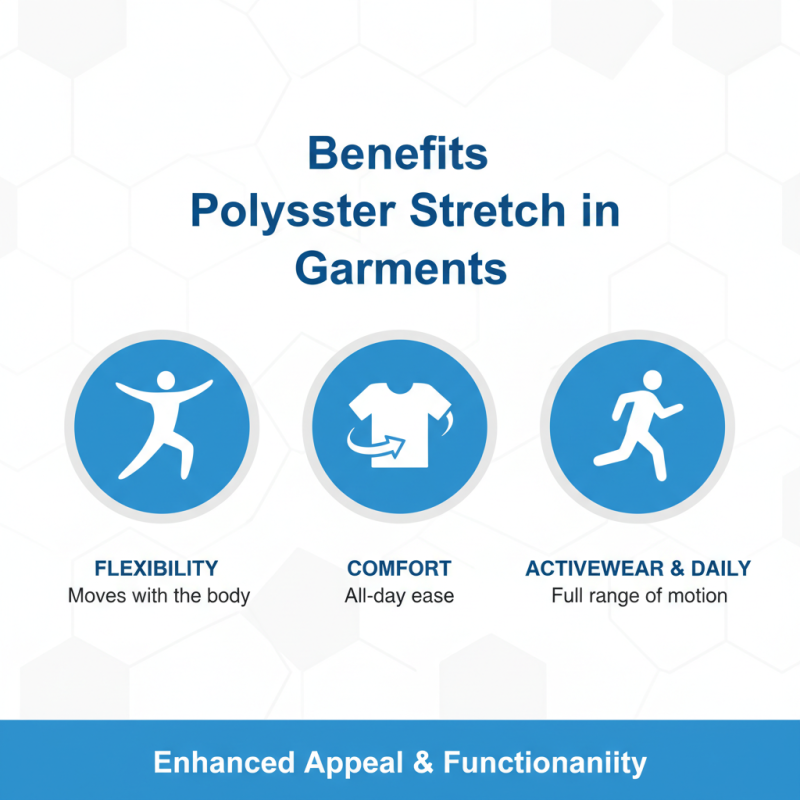
Polyester stretch is increasingly favored in the fashion industry. It offers unique benefits that enhance garment appeal and functionality. The key advantage is flexibility. Garments with polyester stretch move easily with the body, providing comfort throughout the day. This is especially important for activewear and everyday pieces that require a range of motion.
Another benefit is durability. Polyester stretch fabrics are known for their resilience. They resist wrinkling, shrinking, and fading, maintaining a fresh look after many washes. This durability extends the life of garments, making them a worthwhile investment. However, it’s essential to balance durability with breathability. Some users may find certain blends restrict airflow, leading to discomfort in warmer climates.
Additionally, polyester stretch blends well with other fibers. This versatility allows designers to create diverse textures and styles. While the blend improves performance, it’s crucial to consider the environmental impact. The reliance on synthetic fibers raises questions about sustainability in fashion. Finding the right balance between functionality and eco-friendliness is an ongoing challenge for the industry.
Comparative Analysis: Polyester Stretch vs Other Fabrics
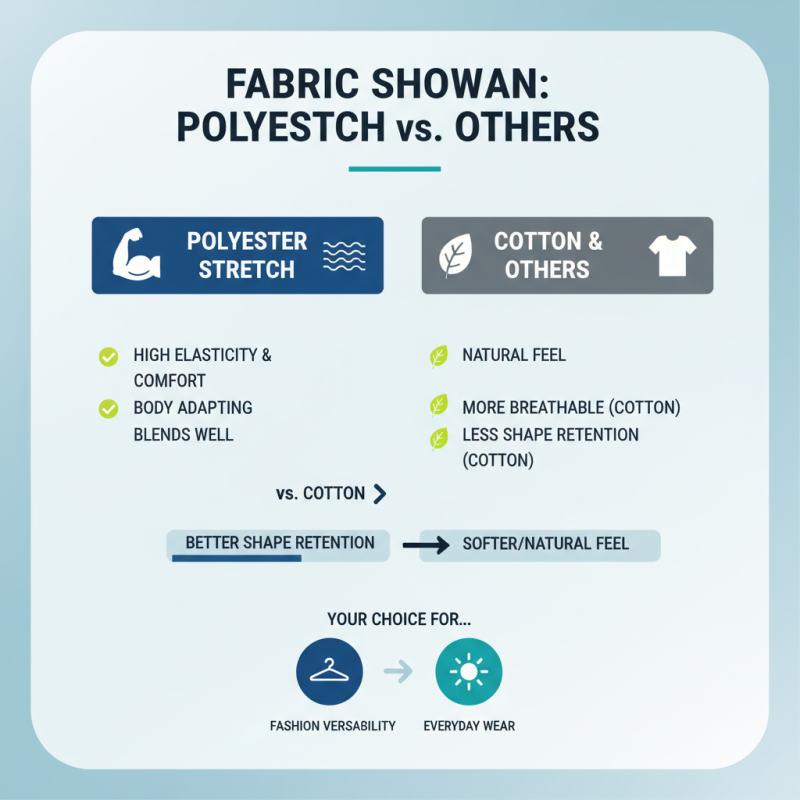
Polyester stretch is known for its versatility in fashion, making it a popular choice. It offers excellent elasticity and comfort, adapting to the body’s movements. This fabric blends well with other materials, enhancing its stretch properties. In comparison with cotton, polyester stretch retains its shape better, but cotton may feel more breathable. Many prefer the natural feel of cotton for everyday wear.
When examining polyester stretch against spandex, there are noticeable differences. Spandex provides exceptional stretch but is often blended with polyester to improve durability. This combination works well for activewear, where both comfort and resilience are essential. However, some wearers find that the blend can sometimes lead to overheating during physical activities. It's crucial to consider individual preferences when selecting fabrics for specific purposes.
While polyester stretch fabrics are generally easy to care for, they can lack the luxurious feel of silk or cashmere. For high-fashion garments, this trade-off might not appeal to everyone. Even though polyester stretch is practical, it is sometimes perceived as less elegant. It’s worth reflecting on the balance between practicality and style in modern fashion choices.