What is Spandex Fabric and How is it Used in Clothing?
Spandex Fabric has revolutionized the clothing industry with its unique elasticity. Dr. Emily Carter, a leading expert in textile engineering, states, "Spandex provides unmatched comfort and flexibility in activewear." This fabric allows garments to stretch and return to their original shape, making it ideal for fitted clothing.
Many people appreciate how Spandex Fabric enhances movement. Athletes often rely on it for increased performance. However, not all Spandex garments are created equal. Some may lack durability, leading to quick wear and tear. This raises questions about quality versus price in the market.
In a world where comfort is key, Spandex Fabric plays a pivotal role. Yet, consumers should consider the environmental impact of synthetic materials. As fashion evolves, finding a balance between performance and sustainability remains a crucial challenge.
What is Spandex Fabric? A Comprehensive Overview
Spandex fabric is a remarkable material known for its incredible elasticity. Also called elastane, it can stretch up to five times its original length. This unique property makes it ideal for body-hugging clothing. Athletes frequently choose spandex for sportswear. The fabric's lightweight nature also appeals to those seeking comfort in casual wear.
When selecting spandex clothing, consider the fit. A tight fit enhances support but may feel restrictive. Some garments combine spandex with other fibers for added benefits. This blend can improve breathability and flexibility. However, over time, spandex may lose its shape. Look for signs of wear, like sagging or bagging, which can happen with frequent use.
Tips: Washing spandex clothing in cold water helps maintain its elasticity. Avoid high heat when drying, as it can damage the fibers. Additionally, consider rotating your spandex items. This will extend the life of each piece. Embrace the versatility of spandex, but be mindful of its care and maintenance.
What is Spandex Fabric and How is it Used in Clothing?
| Characteristic |
Description |
| Material Composition |
Elastane fibers, typically blended with other materials such as cotton or polyester. |
| Properties |
High elasticity, soft texture, lightweight, and breathable. |
| Common Uses |
Athletic wear, swimwear, leggings, underwear, and form-fitting clothing. |
| Care Instructions |
Machine wash cold, avoid bleach, tumble dry low, and do not iron. |
| Sustainability |
Recent developments include recycled spandex and sustainable production methods. |
| Advantages |
Provides comfort, freedom of movement, and shape retention in garments. |
| Disadvantages |
Can lose elasticity over time and may require specific care to maintain its properties. |
The Composition and Characteristics of Spandex Material
Spandex, also known as elastane, is a highly elastic synthetic fiber. Its key characteristic is its exceptional stretchability. Research indicates that spandex can stretch up to 500% its original length. This unique quality makes it a favorite in activewear and other fitted garments.
The composition of spandex typically includes a blend of polyurethane and other compounds. These materials allow it to return to its original shape after stretching. This recovery ability is vital for comfortable wear in clothing like leggings and swimsuits. Industry reports suggest that approximately 25% of women's apparel contains spandex. It is also increasingly used in men's clothing, where a fitted look is desired.
However, spandex isn't without its challenges. Environmental concerns arise from its production process. The manufacturing of spandex can release harmful chemicals, affecting both workers and ecosystems. Additionally, while spandex enhances comfort, over-reliance on it can lead to garments that lose their shape or wear out quickly. It's crucial for manufacturers to balance comfort with sustainability to address these issues.
Composition and Characteristics of Spandex Fiber
This bar chart illustrates the characteristics of Spandex material, showcasing its elasticity percentage, comfort level on a scale of 1 to 10, durability in months, breathability, and moisture-wicking properties. Spandex is known for its exceptional elasticity, allowing it to stretch significantly. Its comfort level makes it a preferred choice for activewear and form-fitting clothing.
Common Uses of Spandex in Everyday Clothing
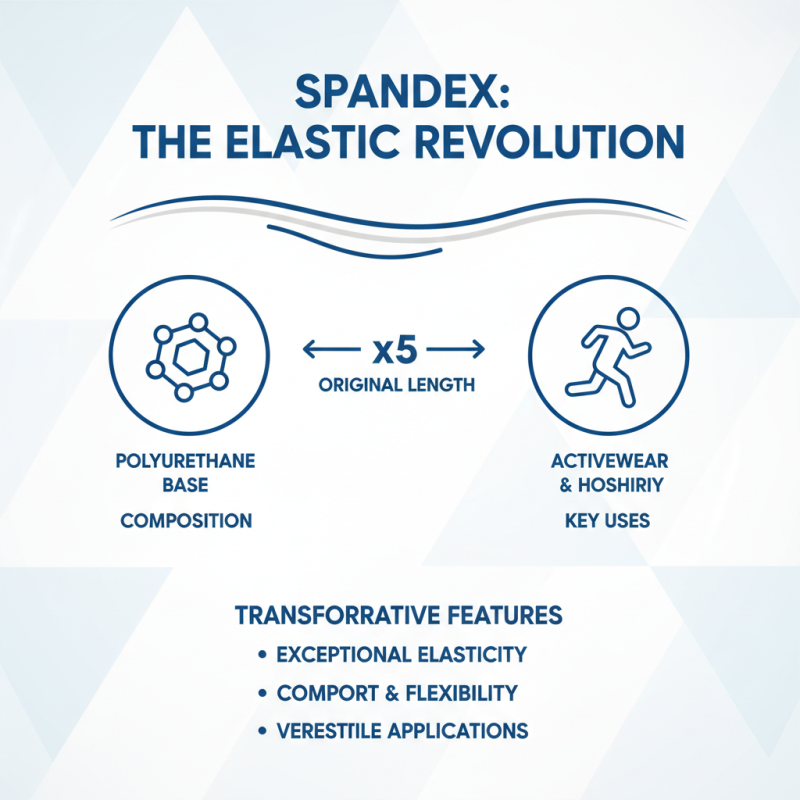
Spandex fabric, known for its exceptional elasticity, has transformed everyday clothing. With a composition primarily of polyurethane, spandex can stretch up to five times its original length. This unique feature makes it invaluable in various clothing items, especially in activewear and hosiery.
Common uses of spandex are seen in leggings and athletic shorts. According to a report by Technavio, the global activewear market is expected to grow by 23% from 2022 to 2026. That's significant growth. Casual wear has also adopted spandex, providing comfort and flexibility. In these garments, spandex helps to retain shape, ensuring a secure fit during movement.
However, challenges persist. While spandex enhances comfort, it can also cause overheating. Not all users appreciate the tightness. Some find it restrictive, particularly in warmer climates. There’s a need for better alternatives that balance comfort and breathability. Sustainable options are emerging, but findings show they still make up a small fraction of the market.
The Benefits of Spandex in Activewear and Sports Apparel
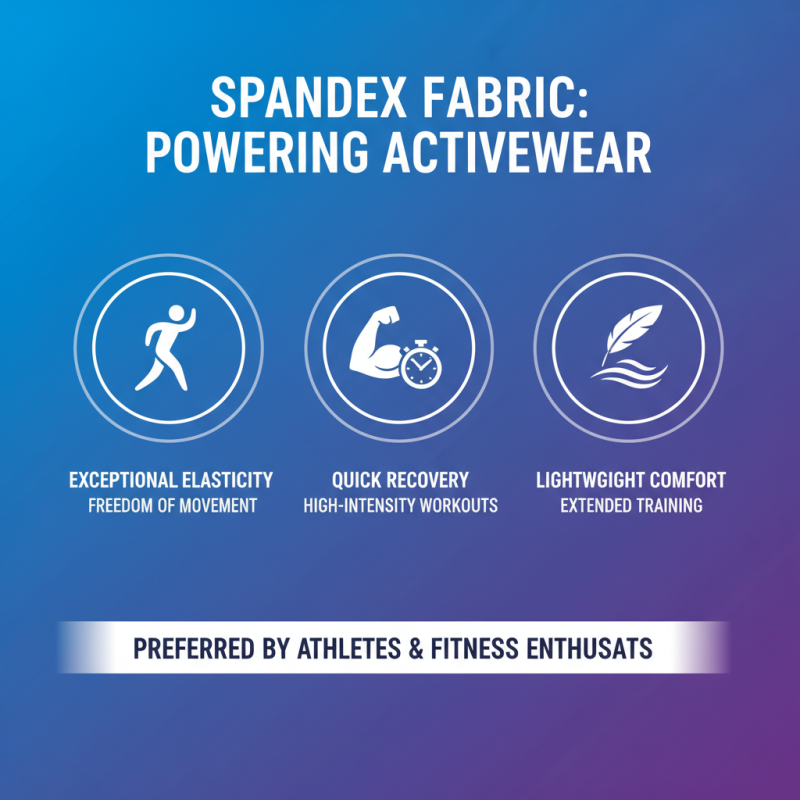
Spandex fabric is renowned for its exceptional elasticity. This makes it a popular choice for activewear and sports apparel. Athletes and fitness enthusiasts appreciate spandex for its ability to stretch and recover. It allows freedom of movement, essential for high-intensity workouts. The lightweight nature of spandex ensures comfort during training sessions as well.
Benefits of spandex go beyond flexibility. It also provides support, helping to improve blood circulation. This can enhance performance for runners and cyclists. Spandex blends well with other fabrics, adding durability and softness. Many workout clothes feature moisture-wicking properties, keeping you dry. However, some find that spandex can feel restrictive if it's too tight. It's important to find the right fit.
Tips: When choosing spandex clothing, consider trying a few sizes. A snug fit is good, but not overly tight. Additionally, pay attention to care instructions; improper washing can degrade the fabric. Remember, high-quality spandex can be a bit pricier but often lasts longer. Investing in the right pieces can lead to better performance and comfort.
Care and Maintenance Tips for Spandex Fabrics
Caring for spandex fabrics requires attention and detail. Spandex, known for its flexibility, can lose elasticity if not maintained properly. It's essential to wash spandex items in cold water. Hot water can damage the fibers over time. Use a gentle cycle to avoid excessive agitation. This care helps keep your garments fitting well.
Avoid bleach and harsh detergents. These substances can break down the spandex fibers. Instead, opt for mild detergents. After washing, it’s best to air dry your items. High heat from dryers can warp the material. If you must use a dryer, select a low heat setting.
Storage matters too. Avoid hanging spandex garments for long periods. This can cause stretching. Fold them instead, or store them in a drawer. Regularly check for signs of wear, like pilling or fabric thinning. These signs can reflect how well you’ve cared for your spandex. Learn from any mistakes, and adjust your care routine accordingly. Proper maintenance extends the life of your spandex clothing.