Textile fabric plays a crucial role in our daily lives, from clothing to home décor. Renowned textile expert Dr. Emily Turner notes, “The right fabric can transform everyday items into extraordinary experiences.” This insight speaks to the significance of understanding various textile fabric types and their uses.
There are countless fabric types available. Each serves a unique purpose. Cotton is common for casual wear. Polyester is valued for its strength and durability. Linen offers a lightweight option perfect for hot weather. Silk brings luxury to fashion. Understanding these differences helps us make better choices.
However, the vast array of choices can be overwhelming. Many people often choose based solely on appearance or price. This approach can lead to dissatisfaction. Life with the right textile fabric can enhance comfort and express individuality. A more informed decision can make a world of difference.
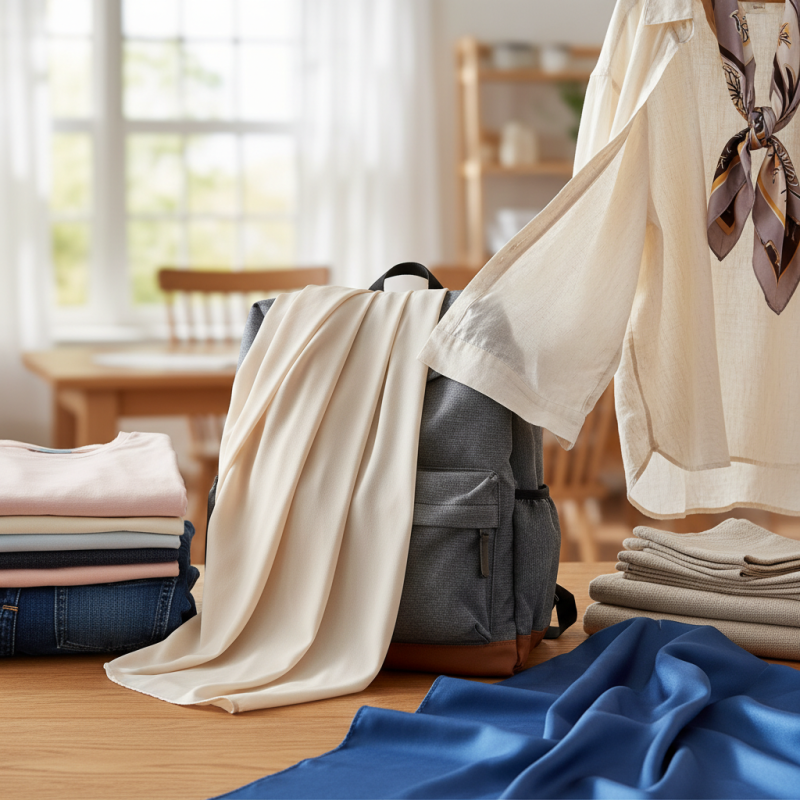
Textile fabrics play a vital role in our daily lives, shaping our experiences. Each type has unique properties that make it suitable for specific uses. Cotton, for instance, is soft and breathable. It's often used in clothing like t-shirts and jeans. Its comfort makes it a favorite.
Silk, on the other hand, offers a luxurious feel.
It drapes beautifully, ideal for formal wear and home decor. However, silk can be delicate and requires careful handling. Linen is another popular fabric. It's known for its durability and natural texture. Linen is often used for summer clothing and table linens.
Each fabric type has advantages and disadvantages. Synthetic fabrics like polyester are strong but can feel less comfortable than natural fibers. They commonly feature in sportswear and outdoor gear. Understanding these differences is essential when choosing fabric for various purposes. Sometimes, choices may not align with our preferences or needs, leading to re-evaluation of our selections.

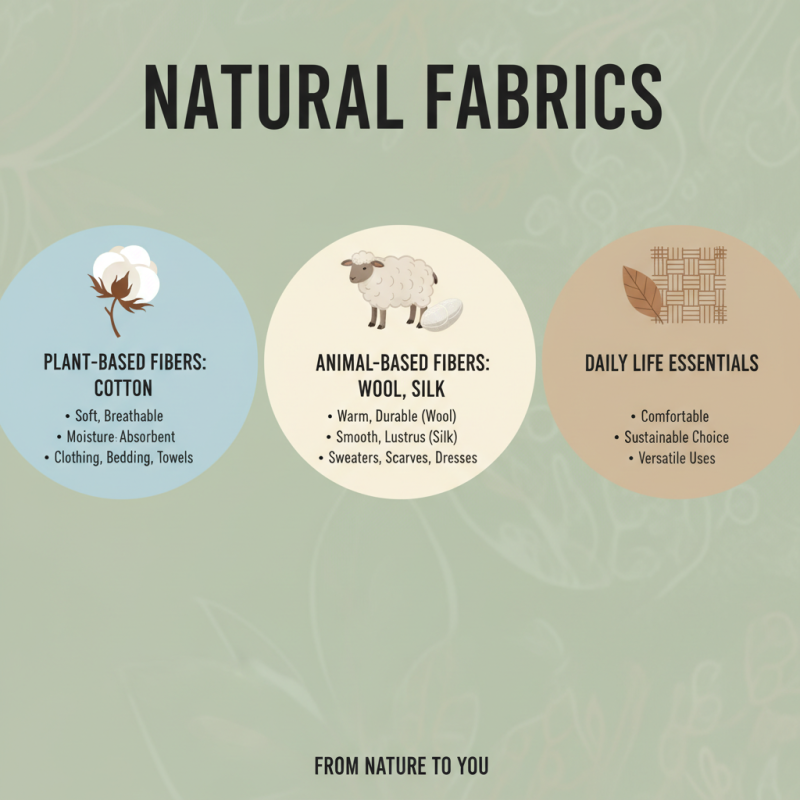
Natural fabrics are an integral part of our daily lives. They are made from fibers derived from plants and animals. Cotton, for instance, is soft and breathable. It's widely used in clothing, bed linens, and towels. People enjoy wearing cotton as it absorbs moisture well.
Linen is another natural fabric. This material, made from flax fibers, has a distinct texture. It's often used in summer clothing and table linens. Linen is not only durable but also becomes softer with every wash. Many people find its slight wrinkliness charming. However, its care can be a bit tedious.
Wool, derived from sheep, provides warmth. It's commonly used in sweaters and blankets. Wool can be itchy for some, presenting a challenge when choosing garments. Silk, on the other hand, is luxurious and smooth. Many prefer silk for formalwear. Yet, silk requires delicate handling, often needing special washing techniques. Each fabric has its strengths and weaknesses, making the choice personal.
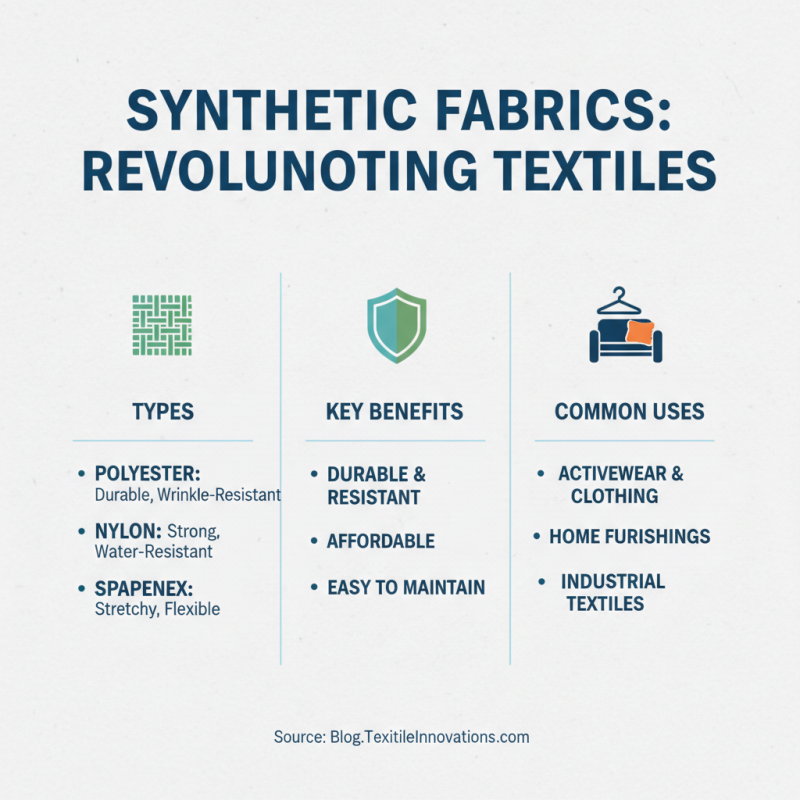
Synthetic fabrics have transformed the way we experience clothing and upholstery. They come in various types, like polyester, nylon, and spandex. These materials are often durable and resistant to wear and tear. Many people appreciate their affordability and ease of maintenance. They can be used for everything from workout clothes to home furnishings.
When using synthetic fabrics, consider their breathability. Some materials trap heat, making them uncomfortable in warm weather. Pay attention to the washing instructions; synthetic fabrics often require gentle cycles to maintain their integrity. It’s crucial to avoid using high heat when drying, as it can ruin the fabric.
Tips: Choose synthetic fabrics for specific needs, like sports gear or outdoor wear. Always check labels for care instructions. It might be tempting to ignore them, but proper care prolongs the life of your clothes. While synthetic options are practical, consider mixing them with natural fibers for better comfort.
Blended fabrics play a crucial role in today's textile industry. They combine the best qualities of different fibers. This results in products that are stronger, more durable, and versatile. For example, cotton-polyester blends are widely used. They offer breathability and wrinkle resistance, making them ideal for casual wear.
According to a recent market analysis, blended fabrics account for over 65% of the textile market. This is due to their multifunctional nature. They are often used in home textiles, athletic wear, and formal attire. Each blend serves a specific purpose. A cotton-spandex mix provides stretch, perfect for fitted clothing. Meanwhile, wool-acrylic blends offer warmth and easy care, suitable for sweaters.
However, challenges exist in using blended fabrics. Recycling them can be complicated due to different fiber types. The detergent used to wash these materials may not always be effective. Environmental concerns around synthetic fibers are growing. Sustainable practices are needed for blend production and disposal. Exploring these issues is vital for the future of the textile industry.
Specialty fabrics are designed for unique applications. These textiles serve specific needs and purposes. For instance, waterproof fabrics are crucial for outdoor gear. They keep you dry during rainstorms. These materials often incorporate advanced technology to resist water effectively.
Another example is flame-resistant fabric. It is widely used in workplaces like firefighting and manufacturing. This fabric protects workers from flames and high temperatures. While durable, it can sometimes be uncomfortable under heavy use. Users often express a desire for more breathable options.
Furthermore, anti-bacterial fabrics find their use in medical and sports industries. They help to reduce the growth of bacteria, promoting hygiene. However, the effectiveness of these fabrics can vary. Some users report mixed results after washing. Balancing performance and comfort can be challenging in these specialized textiles.
| Fabric Type | Description | Common Uses | Care Instructions |
|---|---|---|---|
| Cotton | A natural fiber known for its softness and breathability. | Clothing, bedding, towels, and upholstery. | Machine washable, tumble dry low. |
| Polyester | A synthetic fabric that is durable and resistant to wrinkles. | Sportswear, outdoor gear, and home furnishings. | Machine wash cold, tumble dry low. |
| Nylon | Known for its strength and elasticity, often used in activewear. | Activewear, swimsuits, and outdoor equipment. | Hand wash preferred, hang to dry. |
| Wool | A natural fiber that is warm and insulating. | Winter clothing, blankets, and carpets. | Dry clean or hand wash in cold water. |
| Silk | A luxurious natural fiber that has a soft, smooth texture. | Formal wear, scarves, and upholstery. | Dry clean or hand wash with mild detergent. |
| Rayon | A semi-synthetic fiber made from cellulose, known for its drape. | Dresses, blouses, and linings. | Hand wash or machine wash on gentle cycle. |