Spandex Polyester Material Tips for Global Buyers
Spandex Polyester Material is gaining traction among global buyers for its versatility and durability. This unique blend offers excellent stretch, making it a preferred choice in various applications, from athletic wear to everyday clothing. However, navigating the complexities of this material can be challenging.
Understanding the properties of Spandex Polyester Material is essential for making informed purchasing decisions. Buyers should consider factors such as fabric weight, stretch ratio, and moisture-wicking capabilities when selecting this material. Not all suppliers provide consistent quality, which can lead to discrepancies in manufacturing and end-use performance.
Buyers often face issues related to sourcing reliable suppliers. Miscommunications can occur, leading to material that doesn't meet expectations. A careful evaluation of supplier credentials and previous customer feedback can mitigate these risks. Exploring the nuances of Spandex Polyester Material is crucial for achieving satisfactory results in your purchasing endeavors.

Understanding Spandex Polyester: Composition and Properties
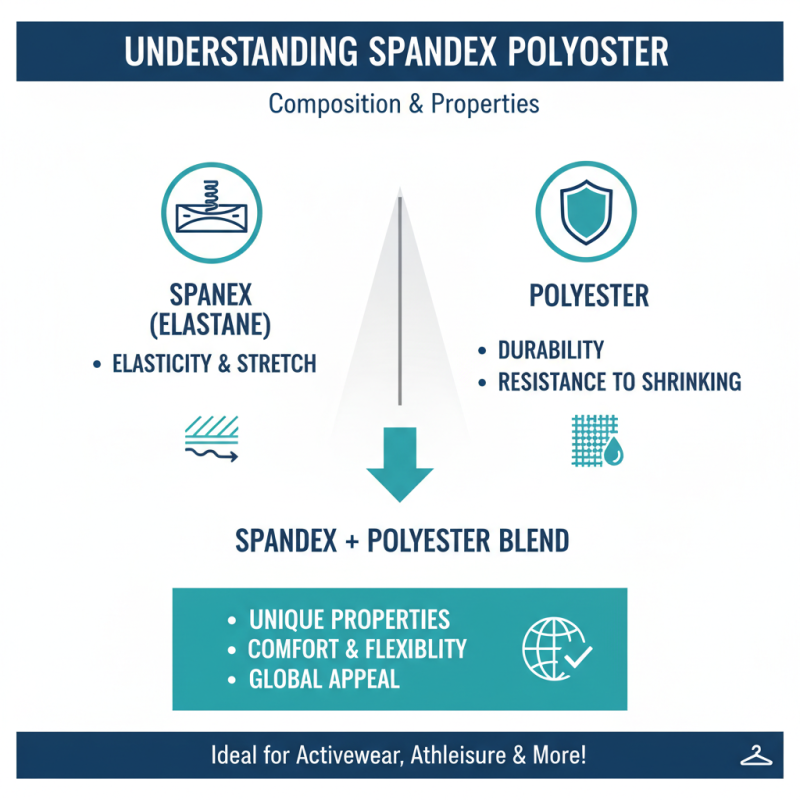
Spandex polyester is a blend of spandex and polyester fibers. This combination offers unique properties that appeal to global buyers. Spandex provides elasticity, allowing garments to stretch. Polyester contributes durability and resistance to shrinking.
Understanding the composition reveals why this fabric is popular. Spandex typically comprises about 10-20% of the blend. Polyester makes up the rest. This ratio ensures comfort while maintaining shape. The resulting fabric feels soft and smooth against the skin. It is ideal for activewear and everyday clothing.
It’s important to consider care requirements. Spandex polyester can lose elasticity over time. Proper washing and drying methods can help maintain its quality. However, overusing fabric softeners can be detrimental. Buyers should reflect on these aspects when choosing garments. Balancing function and longevity is crucial for satisfaction.
Benefits of Using Spandex Polyester in Textile Applications
Spandex polyester is gaining popularity in textile applications for various reasons. One key benefit is its exceptional elasticity. This material can stretch up to five times its original length, making it ideal for activewear, swimwear, and other garments requiring flexibility. The combination of spandex and polyester enhances durability, allowing clothing to maintain its shape over time.
Another advantage is moisture-wicking properties. Spandex polyester effectively draws sweat away from the body. This keeps the wearer dry during strenuous activities. Furthermore, it dries quickly, making it suitable for outdoor adventures. However, the environmental impact of synthetic materials is a concern worth considering. While spandex polyester is functional, its production may contribute to pollution and waste.
In addition to performance, spandex polyester provides comfort. Its smooth texture enhances wearability, reducing chafing during movement. With the potential rise in demand, suppliers should focus on sustainable practices. While the benefits are significant, it is crucial to weigh these against environmental considerations. Balancing innovation and responsibility is essential in today's textile industry.
Spandex Polyester Material Tips for Global Buyers
| Feature |
Benefits |
Applications |
Care Instructions |
| Elasticity |
Provides excellent stretch and recovery, improving fit and comfort. |
Activewear, swimwear, leggings. |
Machine wash cold, tumble dry low. |
| Durability |
Resistant to wear and tear, prolonging the life of the garment. |
Workwear, outdoor clothing. |
Hand wash recommended, do not bleach. |
| Moisture Wicking |
Keeps the body dry and comfortable by drawing moisture away. |
Sportswear, fitness apparel. |
Wash with similar colors, avoid fabric softeners. |
| Breathability |
Allows air circulation, reducing overheating during activities. |
Summer clothing, yoga wear. |
Iron on low heat, do not dry clean. |
| Lightweight |
Provides comfort without the bulk, ideal for layering. |
Fashion apparel, travel clothing. |
Line dry or flat dry to maintain shape. |
Key Factors to Consider When Sourcing Spandex Polyester
When sourcing spandex polyester, buyers need to understand key factors. The fabric's stretch and durability are essential. Spandex provides elasticity, while polyester offers strength and resistance to wrinkles. This blend is popular for activewear, swimwear, and leggings.
Quality control is paramount. Buyers should request samples to assess fabric texture and performance. It's important to verify the weight of the material, as it impacts the overall feel. Sometimes, suppliers may provide misleading information. Close observation is necessary to ensure quality aligns with expectations.
Sustainability is becoming increasingly relevant. Many manufacturers are exploring eco-friendly options in spandex polyester production. Buyers should inquire about the sourcing of raw materials. Transparency can affect long-term partnerships. Not every supplier prioritizes environmental standards, which can lead to ethical concerns. Engaging in open discussions can help navigate these areas effectively.
Quality Assurance and Testing Standards for Spandex Polyester
When considering spandex polyester materials, ensuring quality is crucial. Quality assurance and testing standards help maintain consistency and reliability. According to the International Organization for Standardization (ISO), textiles must meet certain mechanical and physical properties. For example, spandex should retain elasticity after repeated stretching. This requirement is essential in applications ranging from activewear to home textiles.
Many manufacturers follow specific testing protocols for spandex polyester blends. A common standard involves assessing tensile strength and elongation properties. Reports show that a tested sample should have a tensile strength of at least 500 N. Additionally, it is vital to evaluate colorfastness under various conditions. This includes exposure to light, water, and rubbing. The AATCC standard outlines methods for such tests.
Despite the standards, inconsistencies do occur. For example, some batches might not meet specified durability requirements. This raises concerns about selection criteria in sourcing materials. Transparency in the supply chain is essential for buyers. By demanding certifications, companies can better navigate potential risks. Balancing cost and quality is always a challenge, but informed decisions can lead to improved outcomes.
Tips for Cost-Effective Sourcing of Spandex Polyester Globally
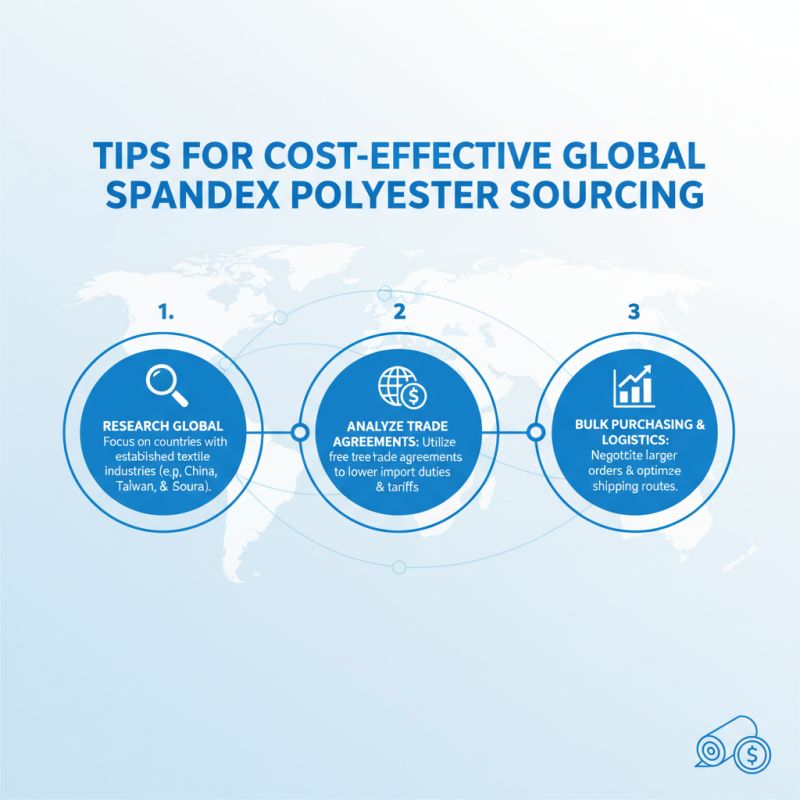
When sourcing spandex polyester globally, cost-effectiveness is key. Start by researching suppliers in different regions. Countries with established textile industries often offer competitive prices. Analyze trade agreements that may lower import duties. This research can significantly impact your overall costs.
Consider bulk purchasing to negotiate better deals. While this may require substantial investment upfront, the long-term savings can be significant. Work with suppliers who provide transparent pricing structures. Request samples to evaluate quality before committing. Don’t overlook shipping costs, which can add up quickly.
While looking for cost advantages, ensure that quality isn’t compromised. Some suppliers may offer low prices, but the material might not meet your standards. Maintain a balance between cost and quality. Regularly assess your supplier's performance and adapt your strategy accordingly, as market conditions can change. Keep an eye on trends in spandex polyester sourcing.