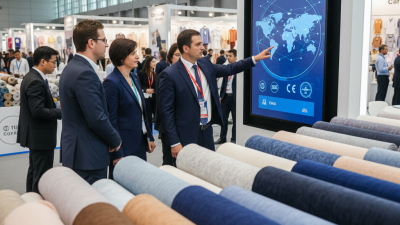
Top 10 Benefits of Polyester Fiber for Global Buyers
In today’s global textile market, Polyester Fiber stands out as a crucial material for various applications. According to Dr. Emily Chen, an industry expert and textile engineer, "Polyester Fiber has revolutionized the way we think about durability and comfort in fabrics." This synthetic fiber’s versatility has captured the attention of global buyers looking for reliable solutions.
The benefits of Polyester Fiber are numerous. It offers excellent strength, resistance to stretching, and quick-drying properties. These features make it an ideal choice for activewear and outdoor clothing. However, the widespread use of Polyester Fiber also raises important questions. As consumers become more eco-conscious, the environmental impact of synthetic fibers comes under scrutiny. Industry leaders are now challenged to balance functionality with sustainability.
As we explore the top ten benefits of Polyester Fiber, it is essential to reflect on its implications. While it provides exceptional qualities for textiles, the journey towards more sustainable practices is still unfolding. Global buyers must stay informed and engaged as this dynamic industry evolves.
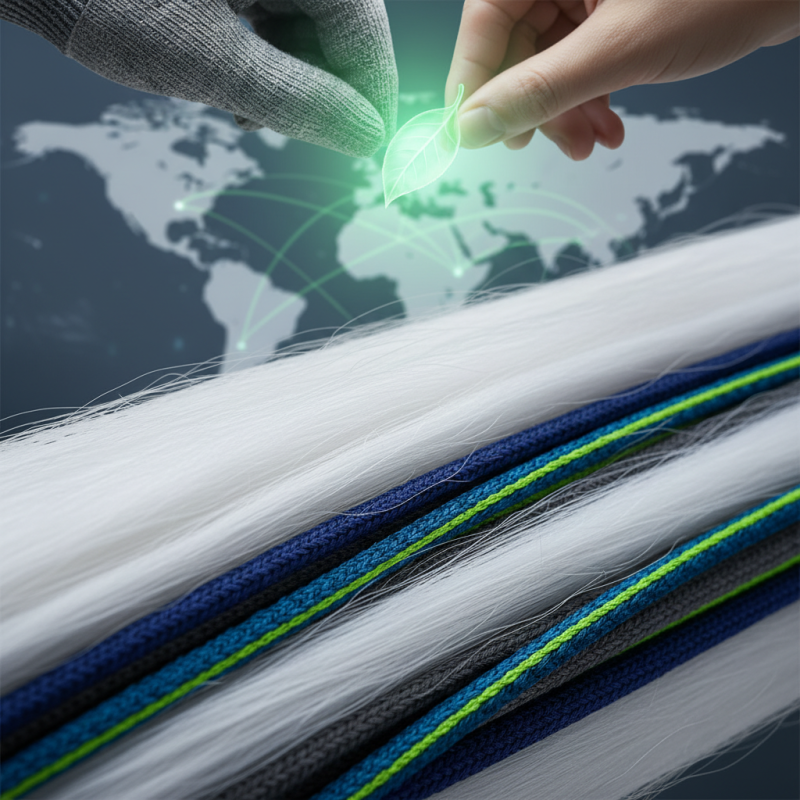
Overview of Polyester Fiber and Its Global Market Importance
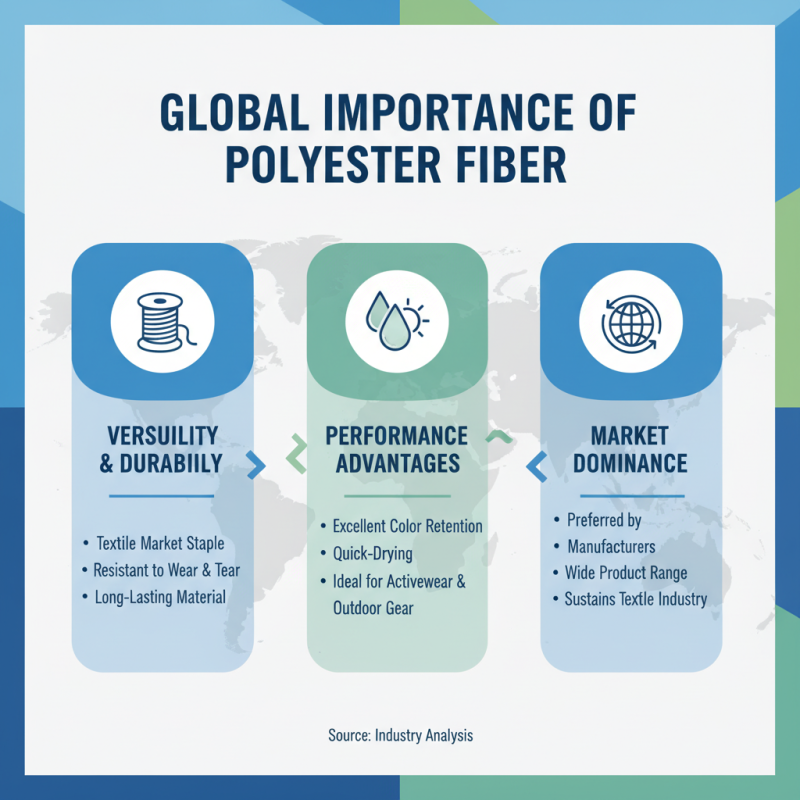
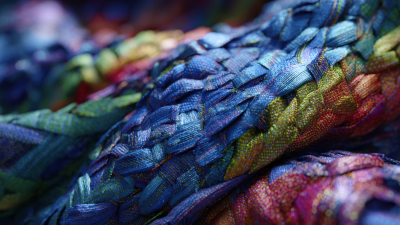
Polyester fiber plays a vital role in the global textile market. It is known for its versatility and durability, making it a popular choice among manufacturers. This synthetic material offers excellent resistance to wear and tear. It also retains color well, ensuring vibrant products. Many buyers appreciate its quick-drying properties, making it ideal for activewear and outdoor gear.
Furthermore, the global market for polyester fiber continues to expand. Demand is driven by a variety of sectors, from fashion to automotive. Some estimates suggest that polyester accounts for a significant proportion of all fibers used worldwide. This growth has led to increased production, but it also raises concerns about environmental impact. Manufacturers face challenges in sourcing sustainable materials, and many are searching for eco-friendly solutions.
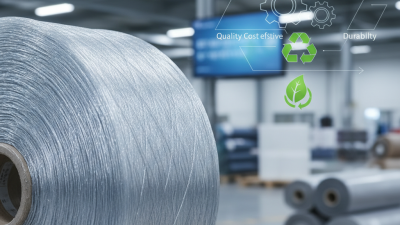
The importance of polyester fiber cannot be overstated. It is crucial in creating cost-effective and high-quality fabric. However, reliance on synthetic fibers brings questions about long-term sustainability. As the market evolves, there is a growing need for innovation and responsibility. Buyers should consider these aspects while opting for polyester options.
Durability and Longevity: Key Advantages of Polyester Fiber
Polyester fiber is gaining attention for its durability and longevity. Unlike natural fibers, polyester can withstand wear and tear. This material resists fading, even after prolonged exposure to sunlight. It doesn't break down easily, making it ideal for various applications. From upholstery to clothing, its resilience stands out.
Another aspect of polyester's durability is its resistance to moisture. Polyester fibers repel water, which helps in preventing mold and mildew. This property makes the fabric less susceptible to damage over time. Buyers appreciate minimal maintenance since it washes easily and dries quickly.
While the advantages are numerous, some may find polyester less breathable than natural fibers. This can affect comfort in hot climates. Additionally, the environmental impact of polyester production raises questions. Sustainable practices are crucial in the fiber industry. As awareness increases, there’s a growing need for eco-friendly alternatives.
Cost-Effectiveness: Why Polyester Fiber is a Budget-Friendly Choice
Polyester fiber has gained a solid reputation for its cost-effectiveness in the global marketplace. With prices typically ranging between $1 to $3 per pound, it remains an affordable option compared to natural fibers like cotton or wool. Reports show that the global polyester fiber market size is expected to reach $68 billion by 2025, underscoring its growing demand. This cost advantage allows buyers to optimize their budgets without compromising on quality.
One significant benefit of polyester is its durability. It can withstand wear and tear, making it a preferred material for various applications, including clothing and home textiles. Yet, while polyester offers longevity, it's crucial to consider its environmental impact. Recent studies highlight that polyester production contributes to plastic pollution. Thus, buyers should reflect on their sourcing choices.
**Tips:** When selecting polyester products, look for recycled polyester options. These can reduce environmental harm and still be cost-effective. Additionally, research the sustainability practices of your suppliers. Ensuring that you are making responsible decisions can enhance your brand’s reputation in the market. Prioritize transparency in your supply chain for better outcomes.
Versatility in Applications: From Textiles to Industrial Uses
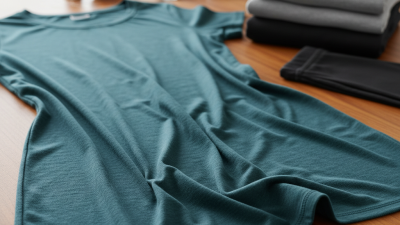
Polyester fiber is a remarkable material known for its versatility in various applications. Its lightweight nature makes it popular in textiles, where it offers durability and ease of maintenance. Clothes made from polyester resist wrinkles and shrinking, ensuring they hold their shape after multiple washes. This resilience is appealing to consumers seeking low-maintenance options in everyday wear.
Beyond fashion, polyester fiber finds utility in industrial applications. It is commonly used in manufacturing ropes, nets, and industrial fabrics due to its strength and resistance to abrasion. These properties make it suitable for challenging environments. However, reliance on this synthetic fiber can lead to environmental concerns, particularly regarding its biodegradability. Polyester is not as eco-friendly as natural fibers, prompting debates about sustainable practices in production.
In healthcare settings, polyester fiber contributes to creating durable, easy-to-clean uniforms and linens. Its moisture-wicking ability enhances comfort for medical staff. However, there are questions about its sustainability. While polyester provides numerous benefits, striking a balance between functionality and environmental impact remains a concern. Buyers should consider these aspects when choosing materials for their applications.
Top 10 Benefits of Polyester Fiber for Global Buyers - Versatility in Applications: From Textiles to Industrial Uses
| Benefit |
Description |
Applications |
| Durability |
Polyester fibers exhibit high tensile strength and resistance to wear and tear. |
Clothing, Upholstery, Outdoor Gear |
| Moisture Wicking |
Polyester quickly evaporates moisture, keeping the wearer dry. |
Sportswear, Activewear |
| Color Retention |
Polyester holds dye exceptionally well, resulting in vibrant colors. |
Fashion Textiles, Home Decor |
| Easy Care |
Polyester fabrics are machine washable and wrinkle resistant. |
Casual Wear, Work Uniforms |
| Lightweight |
Polyester fibers are lightweight which enhances comfort in clothing. |
Travel Gear, Sportswear |
| Versatility |
Can be blended with various fibers and used in numerous applications. |
Textiles, Industrial Products |
| Cost-effective |
Generally lower cost compared to natural fibers. |
Mass-Market Apparel, Home Furnishings |
| Environmental Stability |
Resistant to mildew, mold, and UV degradation. |
Outdoor Furniture, Industrial Fabrics |
| Recycling Potential |
Can be recycled into new products, reducing waste. |
Recycled Textiles, Insulation Materials |
| Insulation Properties |
Good thermal insulation makes it suitable for colder climates. |
Outerwear, Home Insulation |
Environmental Considerations: Sustainability of Polyester Fiber Production
Polyester fiber has gained significant attention due to its sustainability potential. The production process has evolved, focusing on reduced environmental impact. Many manufacturers now utilize recycled materials, such as plastic bottles, to create new fibers. This practice not only helps lessen plastic waste but also lowers energy consumption during production.
However, there are still concerns. The process can involve harmful chemicals. Proper management and stringent regulations are essential to mitigate these risks.
Additionally, polyester is not biodegradable, which raises questions about its long-term environmental footprint. The challenge lies in balancing the benefits of fiber use with its ecological impacts. Enhanced innovation and responsible practices are crucial for a sustainable future in polyester production.
Global buyers should consider these factors. Engaging with suppliers who prioritize sustainable methods can make a difference. Transparent supply chains that showcase ethical practices are vital. By supporting such initiatives, consumers can drive positive changes in the polyester fiber industry.