Top 10 Cotton and Fabric Types for Global Buyers in 2026?
In the ever-evolving "Cotton and Fabric" industry, understanding trends is paramount for buyers. As we approach 2026, insights from industry experts are invaluable. One prominent figure, Dr. Emily Hart, a textile specialist, once stated, “The future of cotton is not just about sustainability, but also innovation.” Her words resonate as the global fabric market continues to shift.
As cotton styles diversify, so do buyer preferences. Luxurious organic cotton is gaining traction. Buyers are looking for versatility, comfort, and sustainability. The rise of smart fabrics introduces new dimensions. It highlights how technology is integrated into the textile world. Experts agree that the next few years will transform how fabrics are made and used.
Yet, uncertainty remains. Can traditional cotton compete with synthetic alternatives? Will consumers prioritize eco-friendly options? The answers will shape the market landscape. Buyers must stay informed about these developments. Knowledge is key as they navigate through changing demands. The upcoming era promises both challenges and opportunities within the "Cotton and Fabric" sector.
Top 10 Cotton Varieties for Global Buyers in 2026
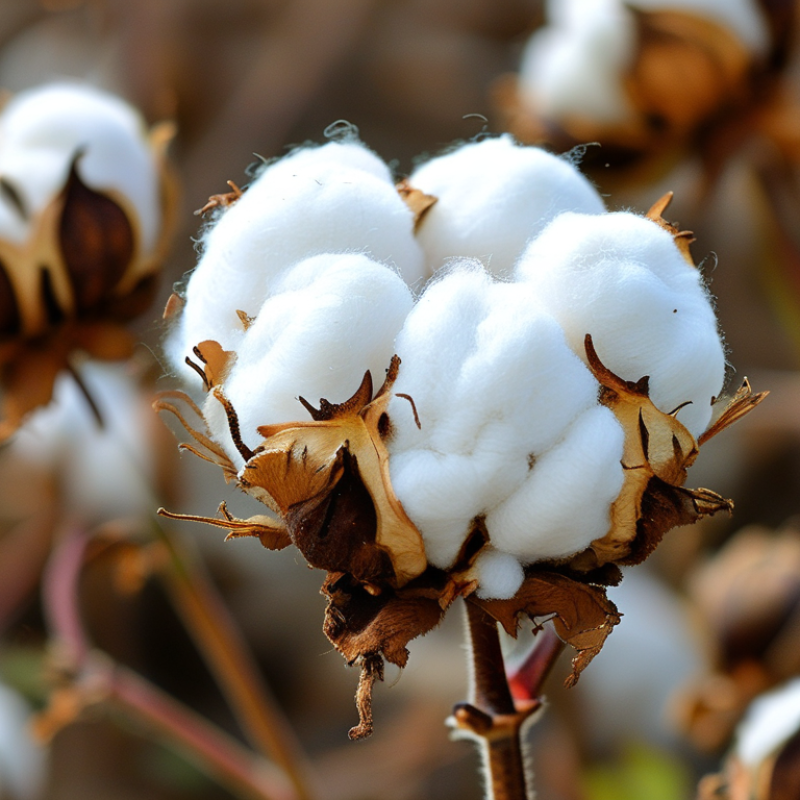
Cotton remains a central material in the textile industry, with various cotton varieties leading global markets. As of 2023, the global cotton consumption stood at about 26 million tons, signaling a growing demand. By 2026, several cotton types are expected to dominate, attracting buyers worldwide.
Among the top varieties, Upland cotton is widely favored, accounting for approximately 90% of the global production. It is characterized by its strength and adaptability, making it suitable for a range of products. Pima cotton also garners attention for its long, silky fibers, ideal for high-quality textiles. Reports indicate that Pima cotton's market is projected to grow by 2% annually due to increased demand for luxury apparel.
Organic cotton is gaining traction as sustainability becomes a priority for many consumers. With a current market growth rate of around 10% per year, it presents an ethical option for conscientious purchasers. On the other hand, it’s critical to note that the supply chain for organic cotton still faces challenges, including certification hurdles and price volatility. The shift towards sustainable practices suggests a reflective journey for global buyers in this evolving market.
Top 10 Cotton Varieties for Global Buyers in 2026
Innovative Fabric Types Gaining Popularity Worldwide
In 2026, innovative fabric types are set to reshape the textile industry. Recent reports indicate a significant rise in demand for sustainable and high-performance fabrics. For instance, research shows that eco-friendly fabrics can reduce environmental impact by up to 50%. Such advancements attract global buyers looking for responsible textile options.
Among emerging trends, pineapple leather and mushroom-based fabrics stand out. These alternatives offer durability while minimizing reliance on petroleum-based materials. A study by the Global Textile Alliance highlights that 40% of consumers prefer biodegradable fabrics. This shift indicates a stronger focus on eco-conscious choices among buyers.
Tips for buyers: Look for certifications like GOTS. These ensure the fabric meets organic and ethical standards. Additionally, consider the lifecycle of fabric choices. Shortened product lifespans increase waste. Investing in quality, sustainable fabrics can reduce this impact over time.
Top 10 Cotton and Fabric Types for Global Buyers in 2026
| Fabric Type |
Description |
Applications |
Sustainability Rating |
Market Trend |
| Organic Cotton |
Cotton grown without harmful chemicals |
Clothing, Home Textiles |
High |
Growing Demand |
| Bamboo Fabric |
Soft fabric made from bamboo pulp |
Activewear, Undergarments |
Medium |
Increasing Popularity |
| Tencel |
Fabric made from sustainably sourced wood pulp |
Fashion, Home Textiles |
High |
On the Rise |
| Recycled Cotton |
Cotton fabric made from recycled materials |
Casual Wear, Accessories |
Medium |
Growing Interest |
| Modal |
Semi-synthetic fiber made from beech tree pulp |
Sleepwear, Dresses |
High |
Increasing Acceptance |
| Linen |
Breathable and durable fabric made from flax plants |
Summer Clothing, Home Decor |
Medium |
Stable Demand |
| Silk Blend |
Fabric made from a mix of silk and other fibers |
Luxury Wear, Formal Wear |
Low |
Consistent |
| Spandex |
Elastic fibers used to provide stretch |
Activewear, Stretch Fabrics |
Medium |
Steady Growth |
| Vegan Leather |
Sustainable alternative to traditional leather |
Fashion, Accessories |
High |
Rising Popularity |
Sustainability Trends in Cotton and Fabric Production
Sustainability is redefining the cotton and fabric industry. In 2026, the focus shifts to eco-friendly production methods. Research indicates that organic cotton consumption is projected to rise by 15%. This uptick reflects a growing demand for sustainable textiles among global buyers.
Water usage remains a critical issue in cotton production. Traditional methods require about 7,000 liters to produce one kilogram of cotton. However, innovative irrigation techniques are gaining attention. These methods can reduce water consumption by up to 50%.
Additionally, consumer awareness impacts fabric choices. Reports show that 70% of textile buyers prefer sustainable options. This trend prompts manufacturers to adopt greener practices. Nevertheless, challenges remain. The balance between cost and sustainability needs further exploration. Many brands struggle to maintain quality while being environmentally responsible.
Key Factors Influencing Fabric Choices for Global Markets
The global fabric market is rapidly evolving. Buyers in 2026 must consider various factors influencing their choices. Sustainability is one of the main drivers. Reports show that 70% of consumers prioritize eco-friendly fabrics. This trend pushes manufacturers to adopt organic and recycled materials.
Cost remains a crucial factor. According to a recent textile industry report, price fluctuations impact purchasing decisions significantly. Buyers often seek affordable options without sacrificing quality. Understanding local market conditions can help navigate these challenges.
Tips: Focus on sourcing from local suppliers. This may reduce costs and support sustainability. Consider market trends that emphasize functionality. Performance fabrics are gaining traction, especially in the athletic sector.
Cultural preferences also play a significant role. Regional styles and traditional fabrics influence buyer choices. Acknowledging these aspects can help global brands connect with diverse markets.
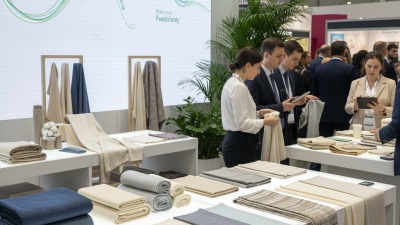
Buyers should continuously analyze the market. Trends change rapidly, and staying informed is vital. Explore trade shows and industry reports for the latest insights. Make data-driven decisions to enhance your fabric sourcing strategy.
Future Predictions for Cotton and Fabric Demand in 2026
As we approach 2026, the demand for cotton and fabrics is projected to rise significantly. According to recent industry reports, the global cotton market is expected to grow at a CAGR of 3.5% from 2023 to 2026. This predicted growth highlights a shifting consumer preference towards sustainable and organic cotton products. The importance of sustainable sourcing cannot be overstated, as buyers increasingly prioritize eco-friendly materials.
In terms of specific fabric types, lightweight and breathable fabrics, such as cotton-linen blends, will see heightened demand. These materials not only offer comfort but also cater to the growing interest in eco-conscious fashion. Additionally, the popularity of technical fabrics, which provide performance benefits, will continue to surge. Fabrics with moisture-wicking and UV-protection properties are becoming essential for activewear.
Tip: Buyers should carefully consider fabric certifications to ensure sustainability. Transparency in sourcing can enhance brand image and consumer trust. Regularly revisiting supplier practices can unearth areas for improvement.
While the industry shows promise, challenges exist. Fluctuating cotton prices and supply chain issues may impact availability. Buyers should create flexible sourcing strategies to navigate these uncertainties. Maintaining strong relationships with suppliers could also mitigate risks associated with rapid market changes.
Tip: Staying informed about market trends can provide a competitive edge. Utilize reputable sources for the latest data on fabric demand and pricing.