Top Elasticized Fabrics at 139th Canton Fair for Global Buyers?
At the upcoming 139th Canton Fair, Elasticized Fabric will take center stage, presenting an exciting opportunity for global buyers. This event, scheduled from April 15 to May 5, 2026, highlights various sectors, including textiles and apparel. The demand for elasticized fabrics has surged, driven by advancements in manufacturing and consumer preferences for comfort and flexibility. According to recent industry reports, the global elastic textile market is expected to reach $20 billion by 2027, growing at a CAGR of 4% from 2022.
New technologies will enhance the fair experience. AI-powered search tools will help buyers identify suppliers with critical certifications like ISO and CE. This marks a significant improvement over previous years. However, there are challenges. Buyers often feel overwhelmed by the vast selection available. Navigating the 1.55 million square meters of exhibition space can be daunting. Companies must prioritize their specific needs when considering elasticized fabrics while acknowledging the market's complexity.
As the demand for elasticized fabric continues to grow, it is essential to remain informed about trends and innovations. Attending the Canton Fair offers valuable insights. Challenges will persist, yet the benefits of networking and exploring new products will outweigh them. Embracing these opportunities can lead to better business decisions in the evolving textile landscape.
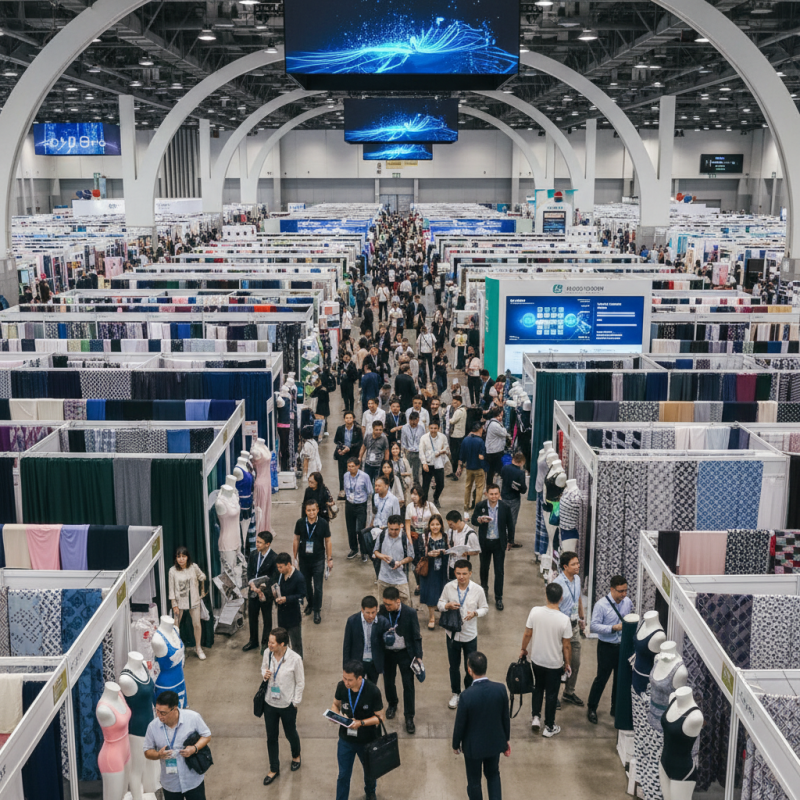
Overview of Elasticized Fabrics Featured at the 139th Canton Fair
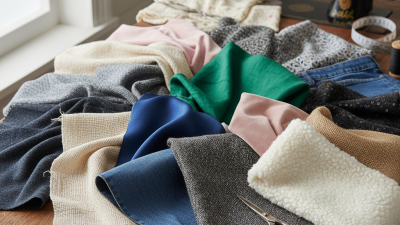
The 139th Canton Fair showcased a diverse range of elasticized fabrics, capturing global attention. Many exhibitors highlighted innovative blends that offer both comfort and flexibility. Among these, stretchable cotton and spandex mixes stood out for their breathability and durability. Buyers appreciated these materials for activewear and casual clothing.
Some participants noted challenges in sourcing specific colors or patterns. There is a need for more consistency in quality across samples. This inconsistency can lead to frustration when matching fabrics with design concepts. However, the variety available was impressive. From vibrant prints to subtle tones, choices were abundant.
Exhibitors also discussed trends in sustainable elastic fabrics. Eco-friendly options are gaining traction. This shift shows a positive move towards responsible production. Yet, the industry still faces hurdles in recycling practices. Adapting to sustainable methods can be slow. There is much to reflect on as global demand grows for both quality and sustainability in elasticized fabrics.
Key Manufacturers and Suppliers of Elasticized Fabrics in the Fair
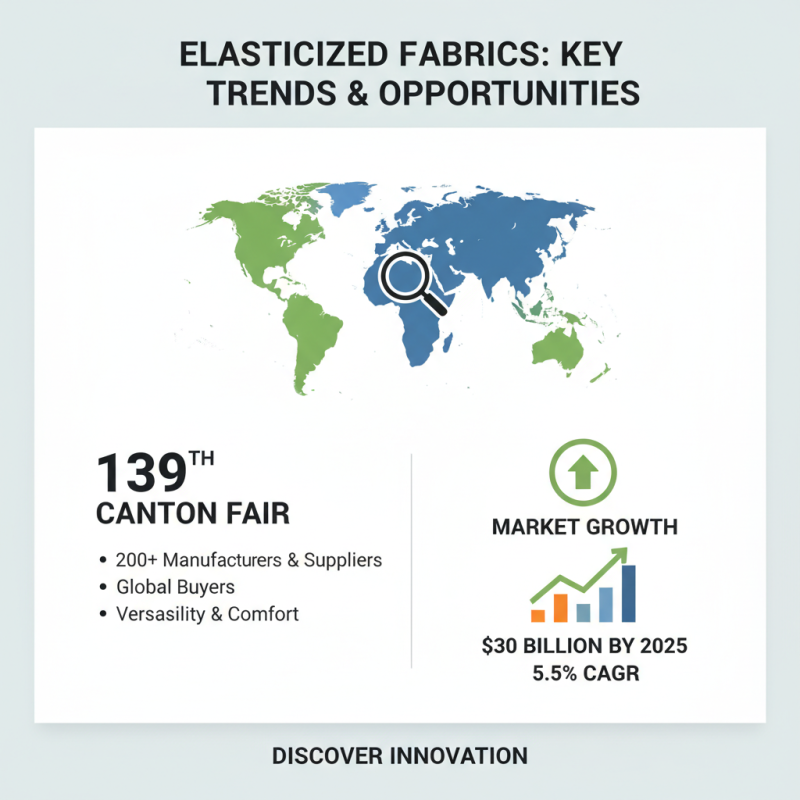
At the 139th Canton Fair, global buyers have the opportunity to discover a wide range of elasticized fabrics. These materials are gaining popularity due to their versatility and comfort. This year, over 200 manufacturers and suppliers are showcasing their latest innovations in this sector. According to industry reports, the global elasticized fabric market is projected to reach $30 billion by 2025, with a growth rate of about 5.5% annually.
Key manufacturers at the fair include both established firms and emerging players. Many of these companies emphasize sustainability in their production processes. Interestingly, around 40% of suppliers are investing in eco-friendly materials. Their commitment speaks volumes about the industry's future direction. However, some challenges remain. Not all producers have adopted sustainable practices yet, leaving room for improvement.
The elasticized fabric segment is not without its flaws. Many buyers report inconsistencies in quality among various suppliers. Effective quality control is crucial for maintaining a reliable supply chain. Furthermore, pricing varies significantly, creating confusion for buyers. It's essential to conduct thorough research and seek recommendations. The fair provides an excellent platform for networking and gathering vital information.
Popular Applications and Innovations in Elasticized Fabric Materials
Elasticized fabrics have gained immense popularity in various industries. Their versatility makes them suitable for clothing, home textiles, and sportswear. At the 139th Canton Fair, global buyers can explore many innovative applications of these materials. The fabric’s unique features often enhance comfort and usability.
One intriguing application is in activewear. Elasticized fabrics provide ease of movement during physical activities. Many designs focus on breathability and moisture-wicking properties. These features cater to athletes and fitness enthusiasts alike. Additionally, some manufacturers experiment with eco-friendly materials. This shift not only attracts environmentally conscious buyers but also reflects a growing trend in sustainability.
Yet, there are challenges to consider. Not every elasticized fabric performs similarly under stress. Some may lose elasticity over time. Others might not offer adequate comfort, despite their initial appeal. Regular feedback from users is crucial in this context. This ongoing dialogue can help manufacturers refine their products and meet market demands more effectively.
Trends and Demands in the Global Market for Elasticized Fabrics
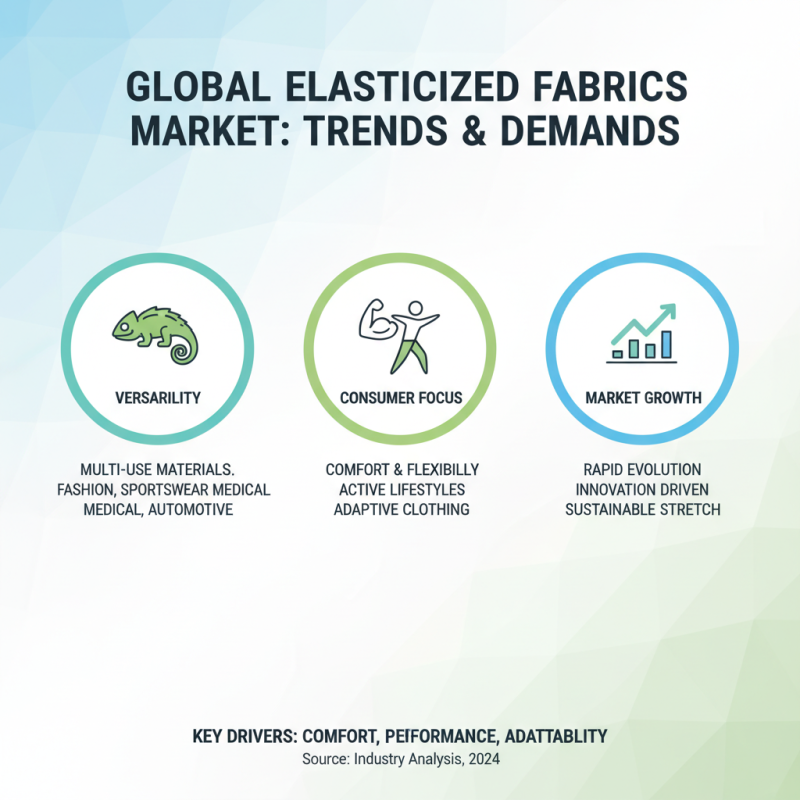
The global market for elasticized fabrics is evolving rapidly. Buyers are increasingly seeking versatile materials for various applications. Stretch fabrics are popular in fashion and sportswear. They provide comfort and flexibility, which is essential for modern lifestyles.
At the 139th Canton Fair, trends reflect this growing demand. Innovations in fiber technology enhance the elasticity and durability of these fabrics. Buyers are interested in sustainable options too. Eco-friendly materials are on the rise. The challenge remains in balancing cost and quality. Many suppliers struggle to meet the sustainability criteria while keeping prices competitive.
Investing in research and development is crucial. Companies need to adapt to changing consumer preferences. There is potential in smart fabrics that respond to environmental factors. However, not all innovations succeed in the market. Failed attempts can lead to wasted resources and disappointment. Overall, the elasticized fabric sector is ripe for growth, yet it requires careful navigation to truly thrive.
Sourcing Considerations for Buyers of Elasticized Fabrics at the Fair
When attending the 139th Canton Fair, buyers should approach elasticized fabrics with a clear strategy. The global textile market is expected to grow by 4.4% annually, according to industry reports. Elasticized fabrics are becoming increasingly popular, driven by their versatility and comfort. Understanding the sourcing landscape is crucial.
Tips: Assess fabric elasticity and durability. Simple tests can provide insights into performance.
Buyers should consider the range of types available. From spandex blends to knitted variations, options abound. It’s essential to scrutinize sample quality. Defects in elasticity, such as excessive stretching, can lead to significant issues. Paying attention to supplier reliability is equally important. A chain of trust influences overall product quality.
Tips: Request certifications to verify fabric standards. It ensures compliance with international safety protocols.
Additionally, beware of overly ambitious claims. Some suppliers might exaggerate performance features. A thorough assessment of production processes can reveal the truth. Consider visiting manufacturing sites for an authentic experience. This can help uncover potential red flags before committing to large orders. Quality should always trump quantity in elasticized fabrics sourcing.
Top Elasticized Fabrics at 139th Canton Fair
This chart displays the popularity of top elasticized fabrics showcased at the 139th Canton Fair, measured by the number of units sold. Fabrics like Spandex and Lycra are leading the market, reflecting their high demand in various applications.