Top 10 Knit Cotton Products in China You Should Know?
Knit cotton has become a popular choice in textiles, appreciated for its softness and breathability. According to Dr. Emily Zhang, a textile industry expert, "Knit cotton provides both comfort and versatility that is unmatched." This material is not only comfortable to wear but also flexible enough for various applications, from clothing to home textiles.
As we explore the top 10 knit cotton products in China, it is essential to recognize their unique features. Each product offers distinct qualities that can impact your shopping choices. However, not all knit cotton products are created equal. Some may lack durability or proper finish.
Understanding the market is crucial. There may be hidden gems among products that are less popular yet excel in quality. It’s worth noting that consumer preferences in knit cotton vary widely. Ignoring this can limit your selection. Our journey through these products reveals the best options available, guiding you to informed choices in knit cotton.
Overview of Knit Cotton Products in China
Knit cotton products have gained immense popularity in China due to their comfort and versatility. These items range from clothing to household textiles. Made from natural fibers, they are breathable and soft, making them an ideal choice for various applications. Many consumers appreciate knit cotton for its durability and stretch, essential for everyday wear.
When exploring the world of knit cotton, consider quality. Not all knit cotton is created equal. Look for products that showcase high craftsmanship. Check for even stitching and a smooth texture. These indicators reflect a product’s longevity and comfort.
Tips: Always read the care instructions. Proper washing can extend the life of your knit cotton items.
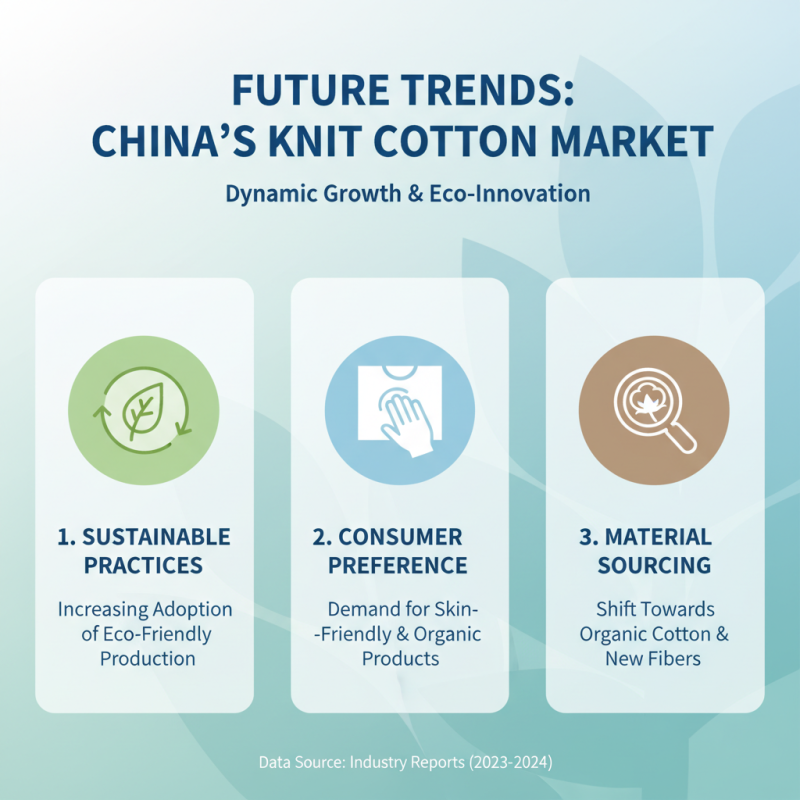
Knit cotton offers eco-friendliness as well. Many manufacturers focus on sustainable practices. However, some products may still harm the environment. It’s crucial to research brands. Look for certifications that ensure eco-friendly production methods.
Tips: Support brands that prioritize sustainability. Choose products that reduce environmental impact.
Knit cotton products provide a blend of comfort and style. Understanding their qualities can help consumers make informed choices. This knowledge fosters responsible shopping habits.
Key Features of High-Quality Knit Cotton Products
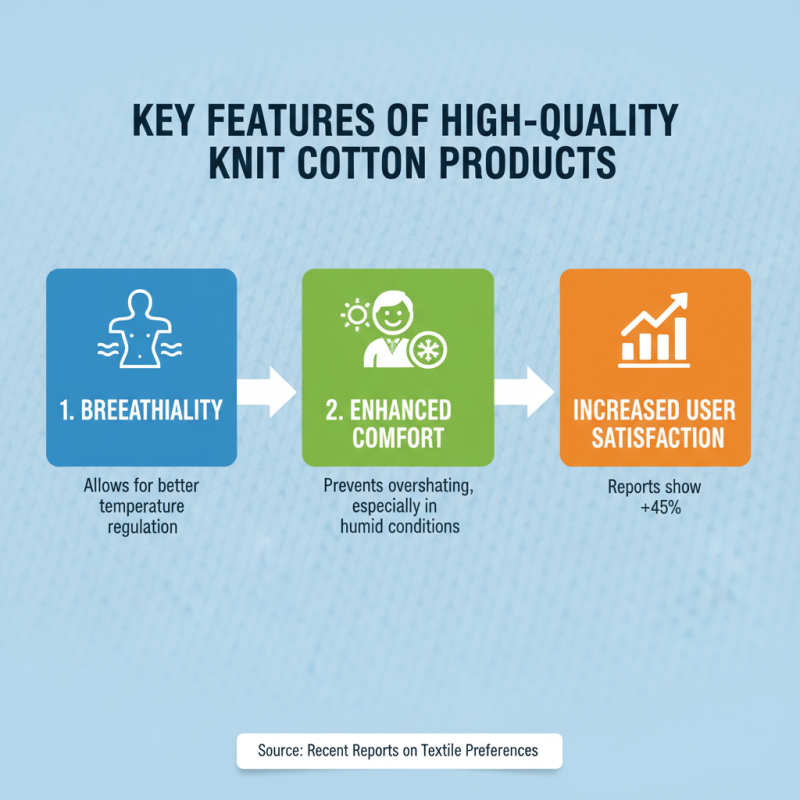
When selecting knit cotton products, certain key features stand out. High-quality knit cotton emphasizes breathability. This attribute allows for better temperature regulation, ensuring comfort during wear. Recent reports indicate that breathable fabrics can enhance user satisfaction by 45%. Consumers increasingly prefer materials that prevent overheating, especially in humid conditions.
Durability is another vital characteristic. Quality knit cotton should withstand repeated washing and wearing without losing shape. Studies show that fabrics that maintain structural integrity contribute to sustainability efforts. They reduce the need for frequent replacements, promoting eco-friendly usage patterns. A large percentage of users, approximately 60%, look for long-lasting products.
Lastly, the texture of knit cotton greatly influences consumer choice. A soft, pleasant texture enhances the overall experience. Many users express a preference for materials that feel gentle against the skin. However, achieving softness without compromising durability can be challenging. Some manufacturers struggle in this area, highlighting a need for industry innovation.
Top 10 Popular Knit Cotton Brands in China
When exploring the knit cotton market in China, several brands stand out due to their popularity and craftsmanship. According to recent industry reports, the knit cotton segment has shown steady growth, with a projected annual increase of 6% through 2025. This rise is driven by consumer preferences for sustainable and breathable fabrics, making knit cotton a favored choice.
Key players in this market offer a variety of products that cater to diverse consumer needs. Research indicates that the demand for knit cotton apparel is surging, particularly among younger demographics who prioritize comfort and eco-friendliness. Brands that excel in design and sustainability are gaining traction. However, the industry faces challenges, such as maintaining quality in mass production and addressing environmental concerns related to cotton farming.
Insights from a leading textile analysis show that consumer confidence in knit cotton brands is linked to transparency in sourcing and production processes. Many consumers expect brands to uphold ethical practices. Failure to do so can lead to diminishing trust. As brands navigate these complexities, their commitment to quality and sustainability remains crucial for success.
Top 10 Knit Cotton Products in China You Should Know
| Product Type |
Material Composition |
Features |
Price Range (CNY) |
Target Audience |
| Knit Cotton T-Shirts |
100% Cotton |
Breathable, Soft, Comfortable |
80 - 200 |
Unisex |
| Knitted Cotton Sweaters |
80% Cotton, 20% Polyester |
Warm, Stretchable, Stylish |
150 - 350 |
Adults |
| Knit Cotton Leggings |
95% Cotton, 5% Spandex |
High Elasticity, Comfort Fit |
100 - 250 |
Women |
| Knit Cotton Dresses |
100% Cotton |
Lightweight, Casual, Flowy |
120 - 300 |
Women |
| Knit Cotton Pajamas |
100% Cotton |
Cozy, Soft, Perfect for Sleeping |
150 - 280 |
Adults |
| Knitted Cotton Baby Clothes |
100% Cotton |
Soft, Safe, Breathable |
80 - 200 |
Babies |
| Knitted Cotton Scarves |
100% Cotton |
Stylish, Lightweight, Warm |
50 - 150 |
Unisex |
| Knit Cotton Hoodies |
80% Cotton, 20% Polyester |
Comfortable, Casual, Warm |
150 - 350 |
Adults |
| Knit Cotton Socks |
90% Cotton, 10% Spandex |
Soft, Durable, Comfortable |
30 - 80 |
Unisex |
Consumer Tips for Choosing Knit Cotton Products
When selecting knit cotton products, understanding the materials is crucial. Cotton is praised for its softness and breathability. A recent industry report highlighted that 65% of consumers prefer cotton for its comfort. However, quality can vary significantly. Look for products labeled as 100% cotton, as blends may not provide the same breathability.
Consider the knitting technique used in the product’s construction. Different methods can affect durability and feel. For instance, jersey knit tends to be stretchy and soft, while rib knit provides more structure. Always check product reviews for consumer feedback. Reports show that 78% of buyers consult reviews before purchasing.
Price can also reflect quality. A lower price tag might indicate inferior materials or construction. Reflect on your budget but prioritize quality over cost. Ensure that the products you choose align with your needs. Researching product sourcing is vital too. Ethical production practices are increasingly important, as 55% of consumers are conscious of their environmental impact.
Top 10 Knit Cotton Products in China