Top Quality Cotton and Fabric Suppliers in China Best Deals?
In the competitive world of Cotton and Fabric, sourcing quality materials is crucial. Many businesses seek reliable suppliers in China to secure the best deals. According to Dr. Emily Zhang, a renowned fabric industry expert, "Choosing the right suppliers can make all the difference in product quality." This insight underscores the importance of careful supplier selection.
The Cotton and Fabric market has seen significant changes recently. Factors such as cost, quality, and sustainability are central to purchasing decisions. Consumers now demand not just affordability, but also ethical sourcing practices. This shift prompts suppliers to adapt and innovate continually.
Navigating this industry requires experience and knowledge. Many companies still struggle to find trusted suppliers. Building a robust network is essential for success. Mistakes in supplier choice can lead to financial losses. As the industry evolves, finding the right partners remains a challenge for many businesses. The path to quality cotton and fabric requires strategic thinking and a commitment to excellence.
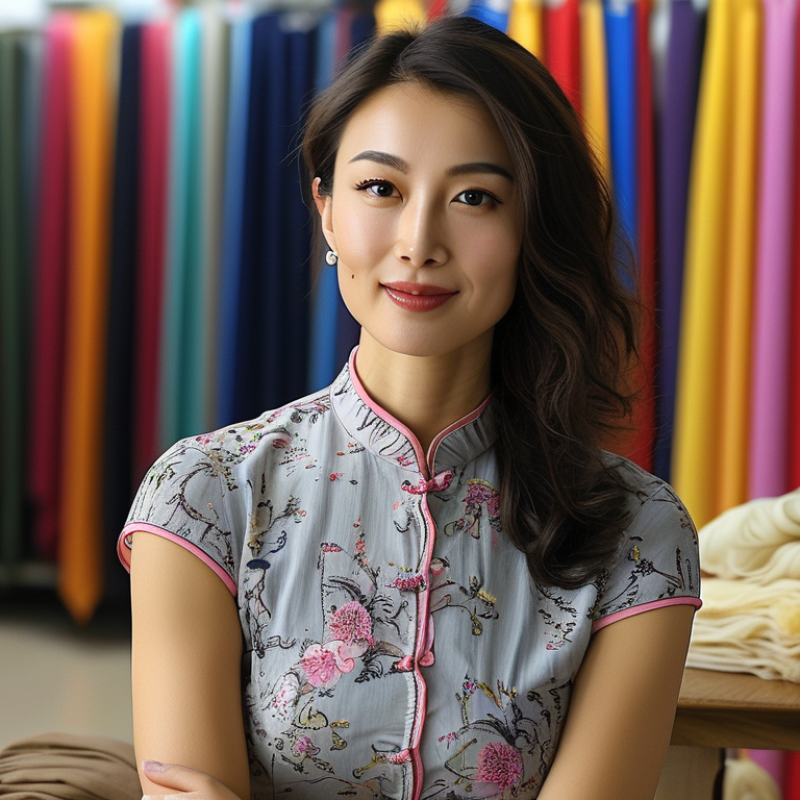
Top Cotton and Fabric Suppliers in China: An Overview
When searching for top cotton and fabric suppliers in China, it's essential to understand the diverse market landscape. China is a global hub for textiles, offering a wide range of cotton products. The quality varies significantly across suppliers. Engaging with reputable manufacturers is key to obtaining high-quality materials. Look for suppliers with a proven track record and extensive experience in the industry.
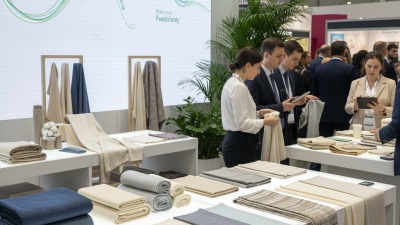
Exploring local trade shows can provide insights into various fabric options. These events showcase the latest trends. They also allow direct interactions with suppliers. Knowledgeable suppliers are often transparent about their production processes. Understanding their sourcing methods can enhance trust and reliability.
Despite the abundance of choices, challenges in quality control remain. Some suppliers may not meet expectations. Communication barriers can also create misunderstandings. Therefore, conducting thorough research is vital. It's wise to request samples before making larger purchases. This step helps gauge fabric quality and supplier capability.
Key Factors for Selecting High-Quality Cotton and Textile Suppliers
Choosing the right cotton and textile suppliers in China is crucial for quality assurance. Key factors include assessing their production processes. Reliable suppliers prioritize sustainable sourcing. According to a 2022 report by the Textile Exchange, sustainable cotton now accounts for about 25% of global production. This shift indicates a demand for transparency and environmental responsibility.
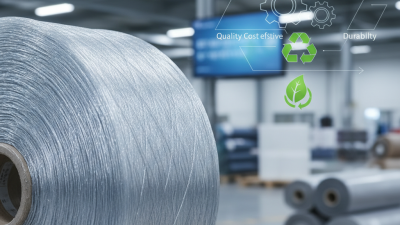
Next, evaluate the supplier’s certifications. Look for ISO certifications and compliance with international standards. A study by the U.S. Department of Commerce shows that suppliers with recognized certifications are 30% more likely to produce high-quality textiles. Their commitment to quality control ensures consistency across large orders.
Communication plays a vital role in supplier relationships. Open communication channels foster trust and lead to better collaboration. Despite the advancements in technology, challenges still exist. Language barriers can complicate negotiations. Therefore, it’s essential to have clear, simple communication methods in place to avoid misunderstandings.
Top Quality Cotton and Fabric Suppliers in China - Fabric Quality Analysis
Comparative Analysis of Prices Among Leading Chinese Fabric Manufacturers
When analyzing the prices among leading Chinese fabric manufacturers, several factors come into play. In recent reports, the average cost of cotton fabric from top suppliers in China ranges from $2.50 to $4.50 per meter, depending on quality and type. Factors influencing price include raw material costs, production techniques, and supplier reputation. A comprehensive study indicated that suppliers offering organic cotton tend to charge about 30% more than those providing conventional fabrics.
It’s essential to conduct thorough market research. Look into the production capacity and lead times. Some suppliers might provide lower initial prices but have longer delivery schedules. This can affect your overall business operations. Engaging local representatives can help bridge the communication and service gap, enhancing the reliability of your partnerships.
Evaluate the certifications and production standards of each supplier. A recent survey indicated that manufacturers with OEKO-TEX certification have a 25% higher customer satisfaction rate due to their commitment to sustainable practices. Remember to seek transparency in pricing. Hidden fees can significantly impact your budget. Choose suppliers who provide clear breakdowns of costs upfront to avoid unexpected expenses.
Sustainable Practices in China's Cotton and Fabric Industry
Sustainable practices in China's cotton and fabric industry are gaining traction as consumers demand more environmentally-friendly products. The shift towards sustainability involves the entire supply chain, from farming to manufacturing. Organic cotton farming is one notable improvement. This method reduces chemical use and promotes healthier soil. Many farmers are adopting these practices, but the transition is challenging. Not all regions can support organic farming easily.
Water conservation is another critical aspect. Traditional cotton farming consumes vast amounts of water. To address this, some producers are implementing more efficient irrigation techniques. These practices help reduce water usage while maintaining crop yield. However, not every supplier has access to advanced technology. This inconsistency can impact sustainability efforts across the industry.
Additionally, transparency in sourcing is becoming increasingly important. Consumers want to know where their fabric comes from. Some suppliers are providing detailed information about their practices. Yet, many still struggle with traceability. Ensuring sustainable practices requires a collective effort. It involves not just manufacturers but also policymakers and consumers. Making progress in sustainable cotton and fabric production requires ongoing commitment and evaluation from all involved.
Top Quality Cotton and Fabric Suppliers in China Best Deals? - Sustainable Practices in China's Cotton and Fabric Industry
| Supplier Type |
Sustainability Practices |
Certifications |
Product Range |
Average Price (USD) |
| Cotton Growers |
Organic farming, water conservation |
GOTS, OEKO-TEX Standard 100 |
Organic cotton, hybrid cotton |
1.50 - 3.00 |
| Fabric Manufacturers |
Recycling, energy-efficient processes |
ISO 14001, GRS |
Cotton, linen, blends |
5.00 - 15.00 |
| Textile Wholesalers |
Fair Trade, community support |
Fair Trade Certified, SA8000 |
Woven and knitted fabrics |
3.00 - 10.00 |
| Sustainable Fashion Brands |
Closed-loop production, biodegradable materials |
B Corp, PETA Approved |
Clothing, accessories |
15.00 - 100.00 |
Steps to Negotiate the Best Deals with Chinese Suppliers
Negotiating the best deals with Chinese suppliers requires strategic planning and effective communication. Start by researching potential suppliers thoroughly. Look for their experience and reputation in the cotton and fabric industry. This empowers you to engage with reliable partners. Establish clear communication and set your expectations upfront. This approach can prevent misunderstandings later.
Building a good rapport with suppliers is essential. Show genuine interest in their products and their processes. This can foster trust and open more negotiating channels. When discussing prices, be open but firm. It helps to ask for quotes from multiple suppliers. This can give you leverage in negotiations.
It’s vital to be mindful of cultural nuances in negotiations. Respect goes a long way in establishing good relationships. Don’t rush the process; patience can yield better outcomes. Reflect on your negotiation strategies continuously. Learn from each experience and adapt your approach based on supplier responses.