2026 Top Trends in Fashion Using Recycled Fabric for Sustainable Style?
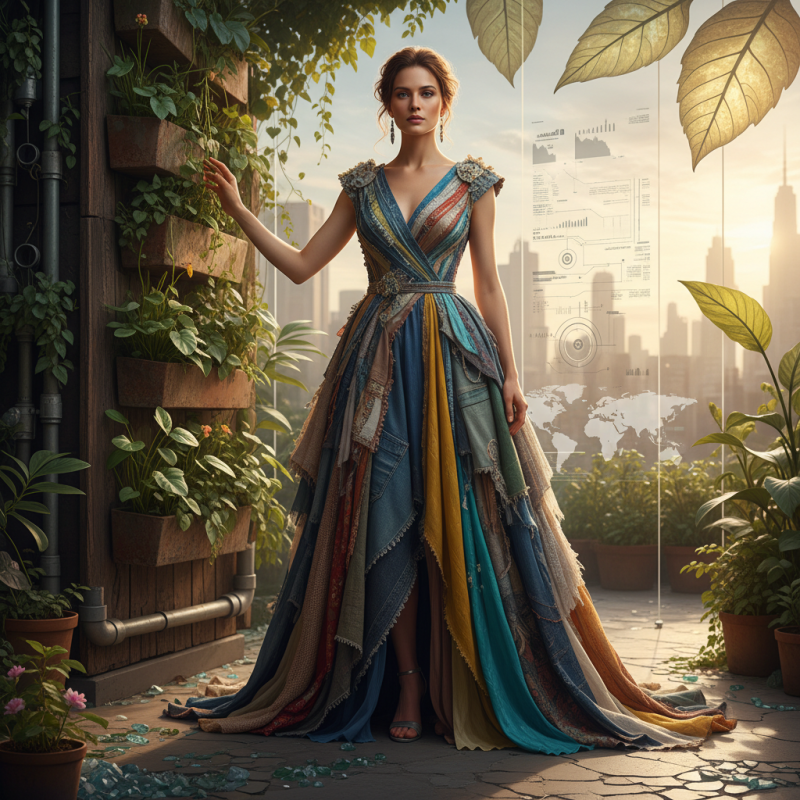
As the fashion industry evolves, Recycled Fabric is at the forefront of sustainable style. Experts like Dr. Emily Turner, a leading figure in sustainable textiles, emphasize the importance of this movement, stating, "Recycled Fabric can transform our approach to fashion."
The use of recycled materials not only reduces waste but also sparks innovation in design. Brands are increasingly exploring unique ways to repurpose textiles, creating stunning garments that tell a story. The challenge lies in balancing aesthetics with sustainability.
While many embrace this trend, the industry still grapples with the complexities of supply chains. Not all recycled fabrics are created equal, leading designers to be more selective. As consumers, we must reflect on our choices and advocate for transparency in the fashion realm. The journey is just beginning, and the potential for positive change is significant.
The Rise of Recycled Fabrics in the Fashion Industry by 2026
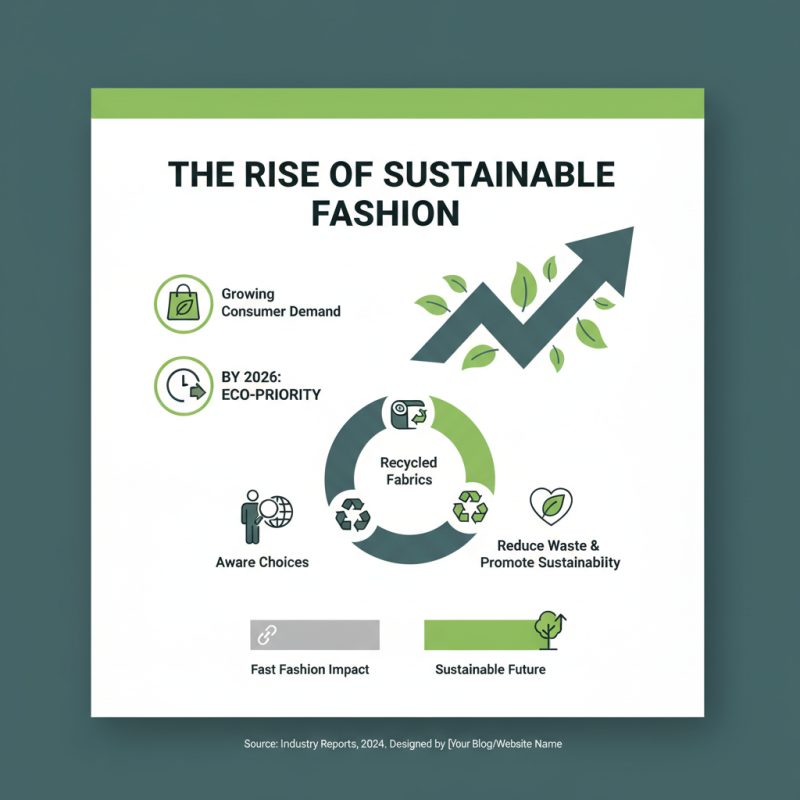
The fashion industry is undergoing a significant transformation, focusing on sustainability. By 2026, recycled fabrics will play a crucial role in this shift. Designers are increasingly turning to materials like recycled polyester and organic cotton. These choices offer a way to reduce environmental impact.
Many consumers are starting to demand more sustainable options. They want pieces that tell a story. They seek clothing made from waste. However, not all recycled fabrics provide the quality expected. Some may wear out quickly or lack the desired aesthetics. This raises questions about how to balance sustainability with style.
The rise of recycled fabrics is inspiring a new generation of creators. They are experimenting with colors, textures, and patterns. Yet, this evolution is not without challenges. Sourcing high-quality recycled materials remains difficult. Moreover, the production process can sometimes overlook ethical standards. These complexities highlight the ongoing need for improvement in the sustainable fashion space.
Key Statistics Highlighting the Growth of Sustainable Fashion Markets
The sustainable fashion market is booming. Recent studies show that interest in recycled fabrics is growing rapidly. In fact, about 54% of consumers prefer brands that use sustainable materials. This shift is not just a passing trend. People want to make a difference with their choices.
Key statistics reveal a significant market expansion. The global sustainable fashion market could reach 8.25 billion by 2024. Additionally, 70% of millennials are willing to pay more for eco-friendly options. However, many brands still struggle to source quality recycled fabrics. This gap presents a challenge for designers who want to stay true to their values.
Yet, there are positive signs. Many emerging designers focus on second-hand materials. These creatives are trailblazing a path for the future. The waste produced by fast fashion is staggering, but innovative solutions are on the rise. The journey toward sustainability is fraught with obstacles, yet every small effort counts. Each choice contributes to a larger change.
2026 Top Trends in Fashion Using Recycled Fabric for Sustainable Style
Major Brands Leading the Charge in Recycled Material Utilization
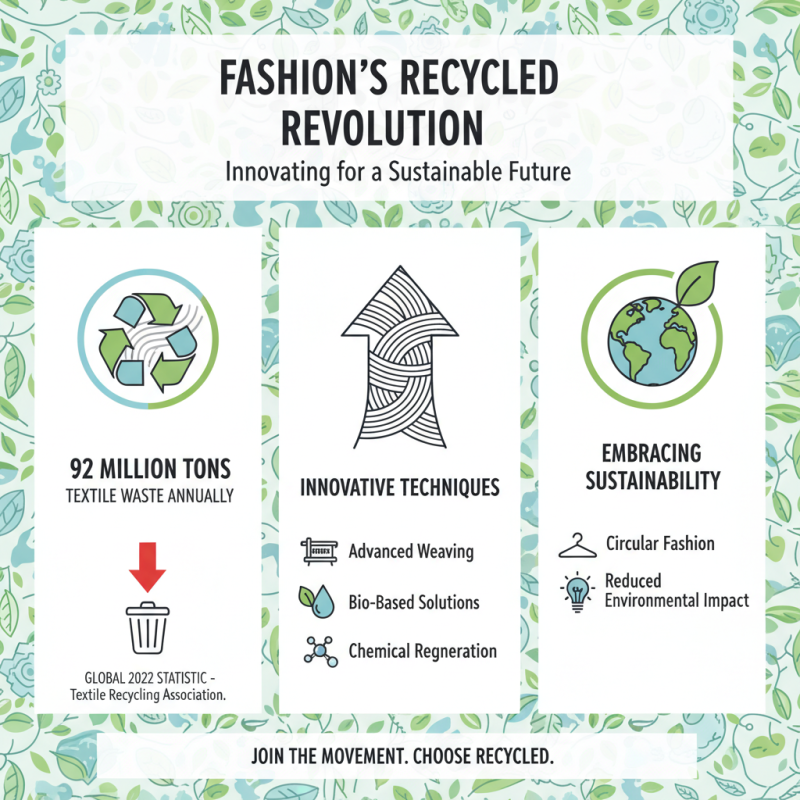
The fashion industry is evolving with a strong focus on sustainability. Major brands are now utilizing recycled materials in their collections. This shift is critical for reducing waste. These companies are innovating ways to turn discarded fabrics into stylish garments.
Using recycled fabrics often comes with challenges. Sourcing quality materials is not always easy. Some brands struggle to maintain a balance between style and sustainability. However, this effort is leading to impressive results. Look for clothing made from upcycled denim or repurposed cotton. These fabrics tell a story of transformation.
Tips: Choose brands that prioritize eco-friendly practices. Check their transparency about sourcing and production. You can also look into DIY projects; revamping old clothes is rewarding. Small actions, like swapping clothes with friends, add up. Embrace a mindset of creativity and resourcefulness. Every effort counts in the mission for sustainable fashion.