2026 Top Trends in Jacquard Polyester Fabrics for Fashion Industry
In the ever-evolving landscape of the fashion industry, Jacquard Polyester is making waves. Industry expert Dr. Emily Carter once said, “Jacquard Polyester blends tradition with modernity, offering endless possibilities for designers.” This fabric’s intricate patterns and versatility are captivating manufacturers and consumers alike.
As we look towards 2026, emerging trends in Jacquard Polyester showcase bold designs and sustainable practices. Buyers seek aesthetics that tell stories while being eco-friendly. The fine balance between creativity and sustainability is critical. Designers are incorporating traditional weaving techniques into high-tech Jacquard production. Yet, some may question if this marriage is truly effective or just a trend.
Moreover, the rise of digital printing on Jacquard Polyester expands artistic expression. There are vibrant choices, yet the challenge lies in maintaining quality and reducing waste. As fashion continues to evolve, embracing these innovations will be crucial, but reflection on their impact is necessary. Jacquard Polyester may lead the way, but with progress comes responsibility.
Emerging Patterns in Jacquard Polyester Fabrics for 2026
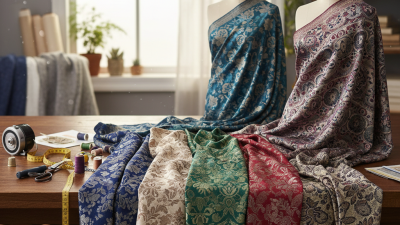
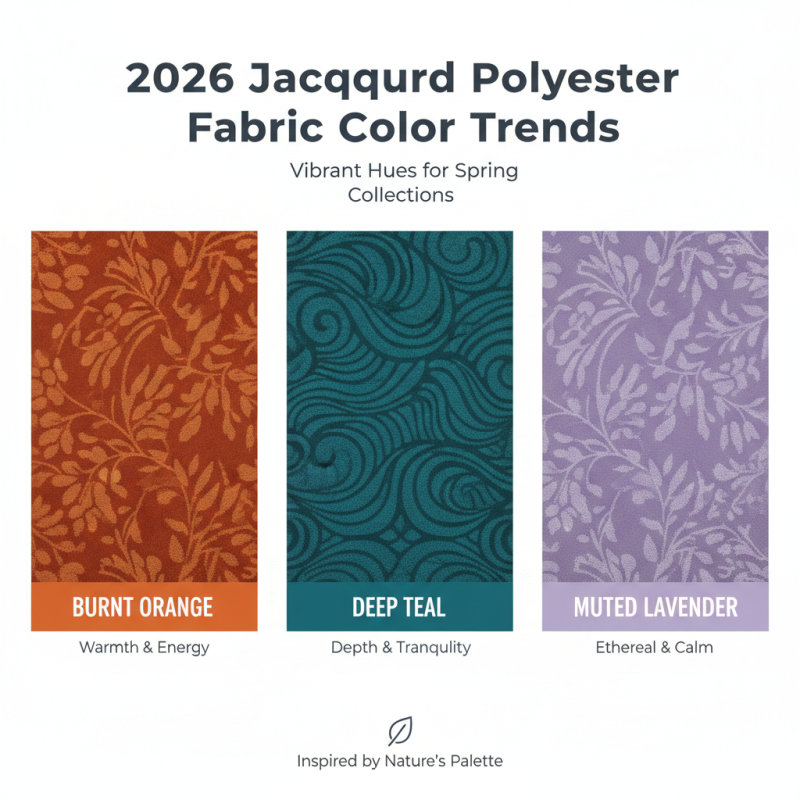
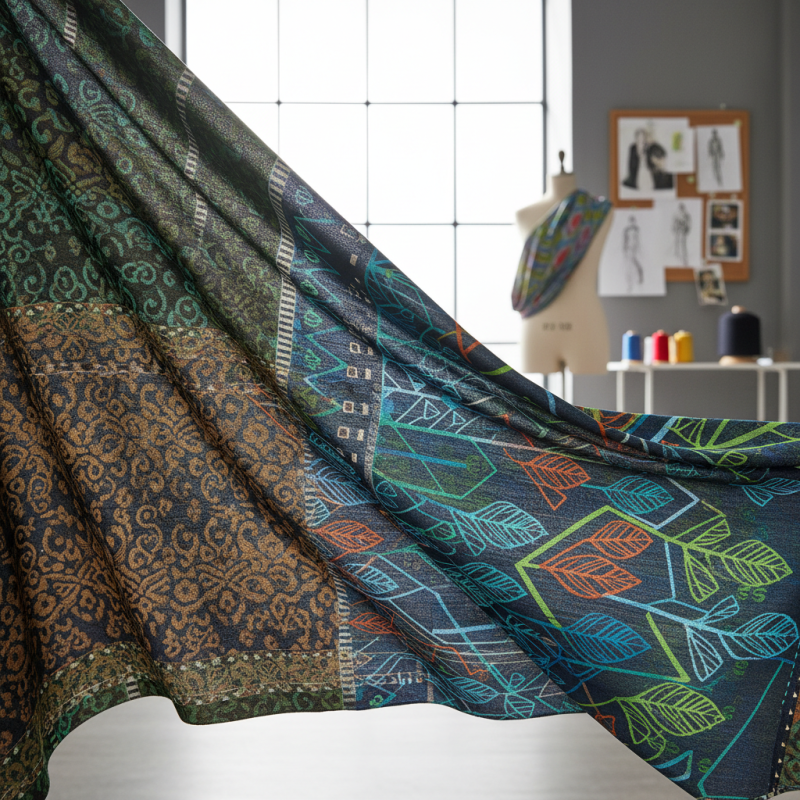
Jacquard polyester fabrics are evolving rapidly. In 2026, we can expect some exciting emerging patterns. Designers are exploring intricate weaves and vibrant colors. Geometric shapes and floral motifs will dominate the runway. The focus is on creating unique textures that stand out.
Consider the impact of sustainability. Eco-friendly production methods are gaining traction. Many designers will prioritize recycled materials. This shift reflects a greater consciousness about environmental issues. However, the challenge remains to balance creativity with sustainability. Some may struggle to find this equilibrium.
Tips: Experiment with layering different patterns. Mixing prints can create bold statements. Keep an eye on texture. A rich feel enhances visual appeal, so don’t overlook fabric selection. Embrace imperfections; they often bring unique character. Always ask, “How can I innovate while being responsible?”
Sustainable Innovations in Jacquard Polyester for Fashion
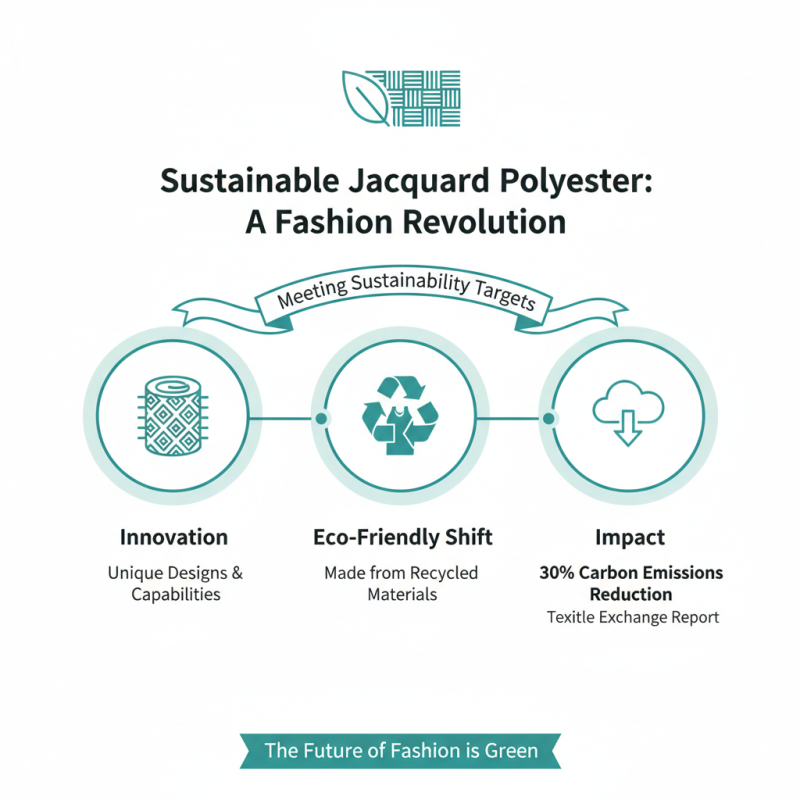
The fashion industry is witnessing a shift towards sustainability, especially in the use of jacquard polyester fabrics. This material offers unique design capabilities alongside eco-friendly innovations. A report by Textile Exchange indicates that polyester made from recycled materials can reduce carbon emissions by 30%. This is significant for brands aiming to meet sustainability targets.
However, not everything is perfect. The recycling process can be energy-intensive and complicated. There are still concerns about the durability of recycled fabrics. Some designers point out that recycled jacquard polyester may not perform as well as virgin material. They question whether current recycling technologies are sufficient for high-quality finishes.
Despite these hurdles, innovations are emerging. The development of bio-based polyester is a promising avenue. Recent studies suggest that this alternative could cut plastic waste significantly by 2030. Engaging with local communities for recycling initiatives helps brands build a more sustainable supply chain. Yet, the industry must reflect on its challenges, ensuring that sustainability doesn’t compromise the aesthetic and functional qualities of fabrics.
Technological Advances in Jacquard Weaving Techniques
The fashion industry is undergoing significant transformation, particularly in the realm of jacquard polyester fabrics. Technological advances in jacquard weaving techniques are reshaping design possibilities and sustainability. According to a recent report, the jacquard fabric market is projected to reach $3 billion by 2026, driven by innovations in weaving technology.
Modern jacquard weaving allows for intricate patterns with minimal waste. This technique utilizes digital technology, improving precision and reducing errors in fabric production. In 2023, approximately 72% of textiles used in high fashion were produced using advanced jacquard methods. Brands are embracing these techniques as they enable designers to create unique textures and complex designs more efficiently.
However, challenges remain. The adoption of new technology can be costly, and smaller manufacturers may struggle to keep pace. Many still rely on traditional methods, which can lead to inconsistencies in quality. The industry must balance innovation with accessible solutions to ensure that all players can participate in this evolving landscape.
Market Predictions: Demand and Supply of Jacquard Fabrics in Fashion
The market for jacquard polyester fabrics continues to evolve in the fashion industry. As we look toward 2026, trends indicate a growing demand for unique textures and complex patterns. Consumers are seeking individuality in their clothing. This trend creates challenges in supply as manufacturers strive to keep up.
Production capacities must adapt quickly to meet consumer preferences. The intricate designs require advanced technology and skilled labor. However, some manufacturers may not have the resources. This discrepancy can lead to delays in product availability. Styles often must be simplified, sacrificing detail for speed.
Sustainability is also a pressing concern. As demand rises, so does the impact on the environment. Many are pushing for eco-friendly options, but not every supplier is on board. Even those trying may struggle to balance sustainability with cost. Fashion consumers increasingly desire transparency in the production process. It remains to be seen how the industry will navigate these complexities.