How to Use Cotton Knit Fabric for Your Sewing Projects?
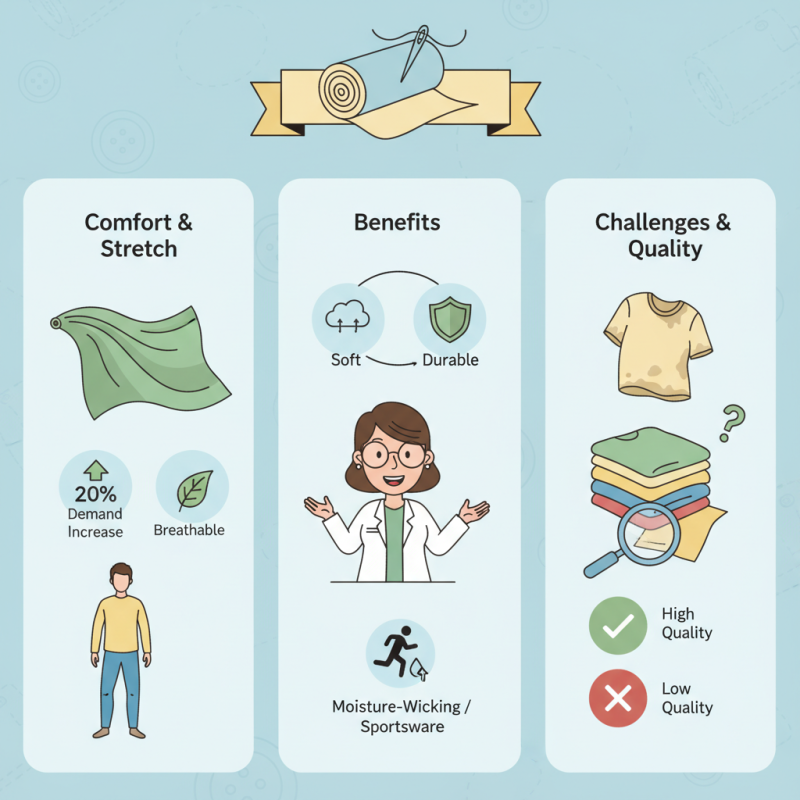
Cotton knit fabric is a versatile choice for sewing projects. This fabric combines comfort and stretch, making it ideal for various garments. According to the Fabric Institute, the demand for cotton knit fabric has increased by 20% in the past three years. This trend reflects a growing preference for breathable and flexible materials.
Expert Sarah Thompson, a textile specialist, emphasizes its benefits. “Cotton knit fabric is not only soft but also durable,” she states. This duality allows for creativity in design while ensuring longevity in wear. Additionally, the fabric's moisture-wicking properties make it suitable for sportswear.
Despite its popularity, challenges persist. Not every cotton knit fabric is created equal; some may not hold up as expected after multiple washes. Choosing the right quality is crucial for achieving desired results. Understanding the characteristics of cotton knit fabric can enhance your sewing experience and outcome.
Understanding Cotton Knit Fabric: Characteristics and Benefits
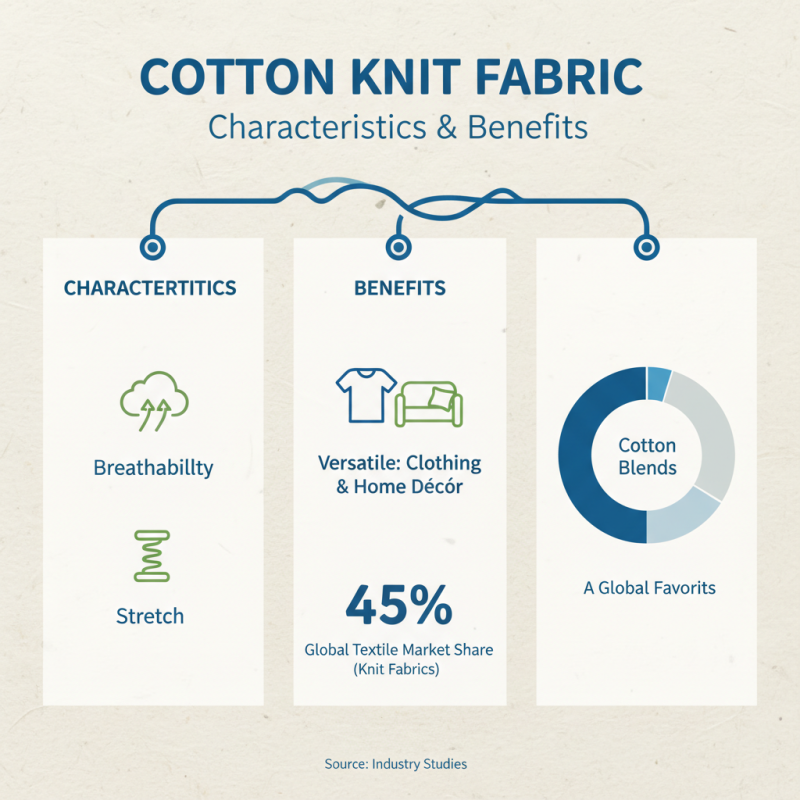
Cotton knit fabric is a favorite choice for many sewing enthusiasts. It is known for its unique characteristics, including breathability and stretch. Studies show that knit fabrics, particularly cotton blends, account for about 45% of the global textile market. This versatility makes cotton knit a staple for clothing and home décor.
Using cotton knit for your projects provides several benefits. The fabric offers excellent comfort and moisture-wicking properties, which are essential for activewear. According to industry reports, garments made from cotton knit often outperform woven counterparts in terms of comfort. This is particularly appealing for both children’s clothing and loungewear.
**Tip:** Prewash your cotton knit before cutting. This prevents unexpected shrinkage after sewing.
Another important aspect is the ease of manipulation. While the fabric is forgiving, it can also be challenging for novice sewists due to its stretch. Some find it moves around, making precise cutting difficult. However, using a rotary cutter and mat can enhance accuracy.
**Tip:** Use ballpoint needles when sewing to avoid damaging the fabric fibers.
Remember, the key to a successful sewing project with cotton knit lies in understanding its properties. Balancing flexibility and control can be tricky but essential for achieving a professional look.
Choosing the Right Cotton Knit Fabric for Your Projects
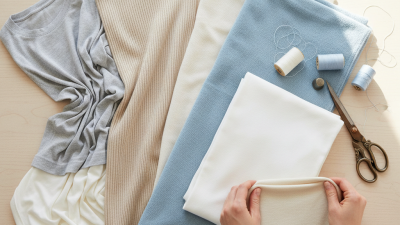
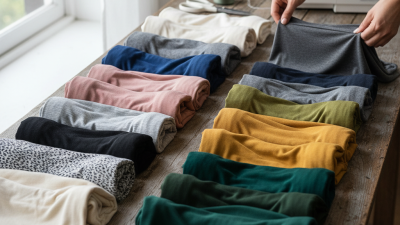
Choosing the right cotton knit fabric is essential for successful sewing projects. Cotton knits come in various weights and textures. Lighter fabrics work well for t-shirts, while heavier options are better for sweatshirts. Determine your project’s needs before selecting.
Tips: Always check the stretch percentage. Fabrics with 25-50% stretch are ideal for fitted garments, while less stretch is great for looser fits. Pay attention to the fabric’s recovery, ensuring it returns to its original shape after stretching.
Consider washed vs. unwashed fabrics. Some cotton knits may shrink after washing. Pre-washing helps avoid surprises later. Not all knits are easy to sew. Experimenting with different needle sizes can yield better results. A ballpoint needle is often best for knit fabric.
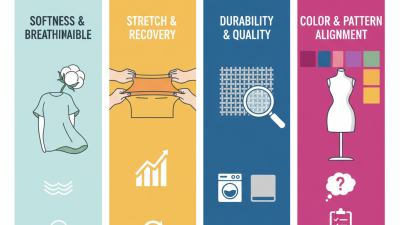
Reflect on color and pattern choices as well. Some prints may fade after washing, and solid colors can be tricky due to dye lot variations. It’s crucial to buy enough fabric and check for any defects. Quality matters. Investing in good fabric pays off in the long run. Keep these points in mind when choosing cotton knit fabric.
Essential Tools and Supplies for Sewing with Cotton Knit
When diving into cotton knit fabric for your sewing projects, having the right tools and supplies is crucial. Cotton knit is popular due to its stretchiness and comfort. However, many beginners struggle with it. According to a recent survey, about 70% of sewing enthusiasts reported challenges when working with knits. This highlights the importance of preparation.
Essential tools include a walking foot. This attachment helps feed multiple layers evenly. It reduces fabric stretching, which is a common issue with cotton knits. Additionally, ballpoint needles are vital. These needles have rounded tips designed to slide between fibers instead of piercing them. This prevents snags and keeps your stitches clean. A cutting mat and rotary cutter are also recommended. They provide precision, which is helpful when cutting out patterns.
Don’t overlook the importance of quality thread. Cotton or polyester thread works best. Using the wrong thread can lead to bunching or breakage. A good practice is to always test your stitches on a scrap piece. Many home sewers neglect this step, resulting in frustration during the actual project. Finding the right balance of tools makes a difference. Each piece plays an essential role in achieving professional results.
How to Use Cotton Knit Fabric for Your Sewing Projects? - Essential Tools and Supplies for Sewing with Cotton Knit
| Tool/Supply |
Description |
Recommended Use |
| Sewing Machine |
A machine designed for stitching fabric together. |
Use for sewing cotton knit fabric with stretch stitches. |
| Ballpoint Needle |
A needle with a rounded tip, ideal for knit fabrics. |
Recommended for avoiding snags or damage to knit fabric. |
| Sewing Clips |
Tools for holding fabric layers together without pins. |
Great for securing curves and stretchy fabrics like cotton knits. |
| Serger Machine |
A specialized machine for finishing edges of fabric. |
Use for clean edges and stretch seams on cotton knits. |
| Fabric Scissors |
Sharp scissors designed for cutting fabric smoothly. |
Essential for precise cutting of cotton knit fabric. |
| Measuring Tape |
Flexible tape used for measuring fabric and body measurements. |
Key for ensuring accurate sizing when working with knits. |
Step-by-Step Sewing Techniques for Cotton Knit Fabric
Cotton knit fabric is a versatile choice for many sewing projects. Its stretch and softness make it suitable for garments like t-shirts, leggings, and loungewear. Understanding how to handle this fabric is crucial for successful results.
Start by pre-washing your cotton knit fabric. This helps to remove any chemical residues and prevents shrinking later. Use a gentle cycle and avoid high heat when drying. Cut the fabric carefully with sharp scissors or a rotary cutter, ensuring your pieces remain even. Consider using a ballpoint needle when sewing. This type of needle glides through the fabric fibers without causing damage.
When it comes to sewing, use a stretch stitch or a zigzag stitch to allow for movement. A walking foot can help prevent fabric shifting. This is important because cotton knits tend to stretch while being sewn, leading to uneven seams. Be patient and take your time. If you notice puckering, it may be helpful to adjust your tension settings.
Tips: Use fabric weights instead of pins to hold your cotton knit in place. This minimizes distortion. Always test your sewing technique on a scrap piece first. This ensures you have the right settings. Don't forget to press your seams gently; high heat can damage the fabric.
Care and Maintenance Tips for Finished Cotton Knit Projects
Cotton knit fabric is popular for its softness and stretch. However, proper care and maintenance are crucial to prolonging the lifespan of your finished projects. According to the Fabric Care Institute, cotton textiles are generally machine washable. Use cold water for the best results. Avoid using harsh detergents as these can fade colors and weaken fibers over time.
When drying cotton knits, use a low heat setting. High heat can cause shrinkage or loss of elasticity. An industry report from the Textile Fiber Forum indicates that up to 20% of knit garments can shrink if not dried properly. Some sewists recommend laying projects flat to dry. This prevents stretching and maintains the garment’s shape. Remember, cotton knits may require ironing. Use a low-temperature setting to avoid scorching the fabric.
Storing your cotton knit fabrics correctly is equally important. Keep them in a cool, dry place to avoid mildew growth. Do not fold heavy items on top of them; it can cause unwanted creases. Always check for signs of wear. Regular inspections can prevent minor issues from becoming major flaws.