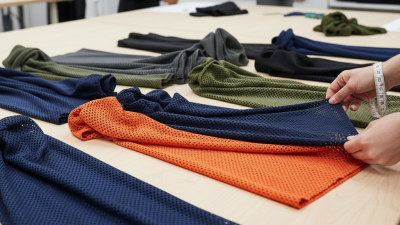
Discover the Best Fabric Cool Solutions for 2026?
As we look ahead to 2026, the demand for innovative cooling solutions is on the rise. The "Fabric Cool" technology stands out in this industry. According to a recent report by the Textile Research Journal, the global market for cooling fabrics is projected to grow by 12% annually. This growth reflects an increasing interest in materials that not only provide comfort but also enhance performance in various environments.
Fabric Cool solutions use advanced methodologies to regulate body temperature effectively. Recent developments have shown significant improvements in moisture-wicking and breathability. In fact, studies reveal that textiles integrated with cooling technologies can lower skin temperature by up to 3 degrees Celsius in active wear scenarios. However, the manufacturing process must address sustainability concerns.
While many companies strive for innovation, challenges persist. Sustainability in production and material sourcing remains complex. Consumers also expect durability alongside performance. Failure to strike this balance can hinder brand credibility. As the industry evolves, it is essential for manufacturers to prioritize both functionality and responsibility in their Fabric Cool offerings.
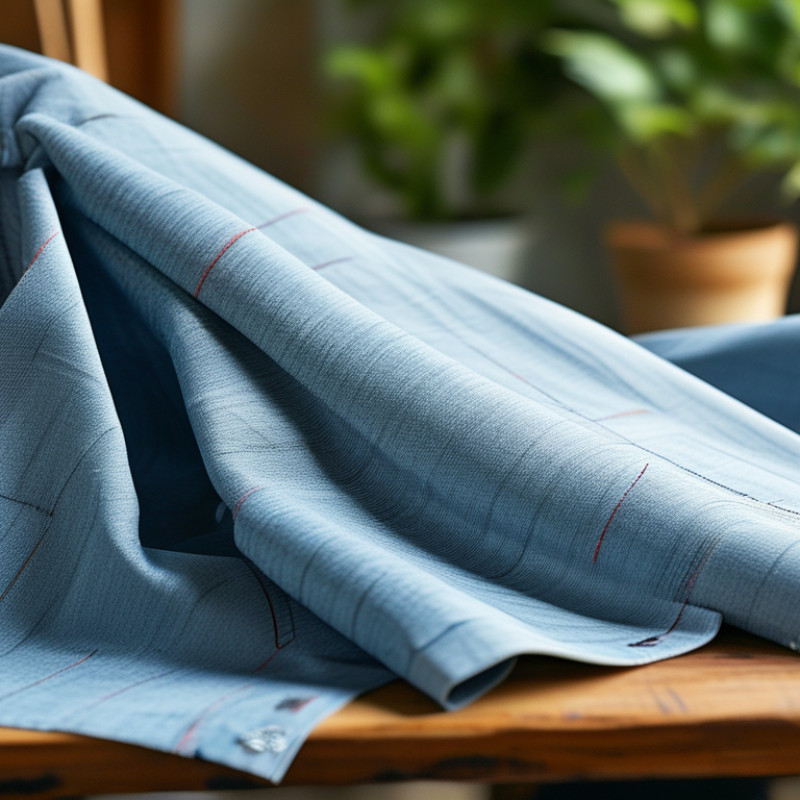
Understanding the Evolution of Fabric Cooling Technologies by 2026
The evolution of fabric cooling technologies is fascinating and complex. By 2026, we expect significant advancements in the way fabrics manage temperature. Experts have identified several innovative materials that enhance breathability and moisture-wicking properties. These fabrics can help regulate body heat even in extreme conditions.
New cooling technologies are also emerging. Some use phase-change materials that absorb and release heat. Others incorporate smart textiles embedded with sensors. These systems can adjust based on your body temperature. However, these methods are not perfect yet. The effectiveness can vary among different users and situations.
The journey to optimal fabric cooling is ongoing. Designers and engineers face challenges in balancing comfort, function, and durability. Innovations often come with a learning curve. Consumer feedback is crucial for improvement. Understanding these factors will help shape the future of fabric cool solutions.
Recent Innovations in Cooling Fabrics: Key Materials and Their Benefits
As temperatures rise globally, innovations in cooling fabrics are becoming essential. Recent advancements focus on materials that enhance breathability and regulate temperature effectively. Fabrics infused with phase change materials (PCMs) absorb heat when temperatures increase and release it when cooled. These materials offer comfort while being lightweight.
Some of the most promising cooling fabrics utilize advanced moisture-wicking technology. This innovation efficiently draws sweat away from the skin, promoting evaporation. The result is a fabric that feels dry, even during intense physical activity. Another exciting trend is the introduction of bio-based cooling fibers. These fibers provide natural refreshment while being environmentally friendly.
**Tips**: Choose layered clothing. Layering can help trap air, creating insulation while allowing moisture to escape. Also, consider fabrics with UV protection to shield your skin. Lastly, test various materials. Not every fabric suits everyone; personal comfort must guide your choices. Exploring these options encourages a more informed decision on comfort and style.
Recent Innovations in Cooling Fabrics: Key Materials and Their Benefits
Analyzing the Market Demand for Fabric Cool Solutions in Sports and Leisure
The demand for fabric cool solutions in sports and leisure is on the rise. As athletes and outdoor enthusiasts look for ways to stay comfortable, innovative materials are gaining attention. These fabrics offer breathability and moisture-wicking properties, essential for hot weather activities. People want solutions that keep them cool without compromising performance.
However, not all options on the market meet these expectations. In some cases, the effectiveness of cooling technology proves inconsistent. Consumers may find that some products do not perform as advertised. This discrepancy can lead to frustration and distrust among users. Manufacturers must understand the real needs of their customers to create reliable solutions.
The growth of this market also raises questions about sustainability. Many cooling fabrics are made with synthetic materials, which pose environmental challenges. Balancing performance with eco-friendliness can be tricky. As more consumers prioritize sustainable products, brands need to innovate responsibly. The future of fabric cool solutions hinges on finding this equilibrium.
Sustainability Trends in Fabric Cooling: Eco-Friendly Materials for 2026
As we move into 2026, sustainability in fabric cooling becomes crucial. Eco-friendly materials are at the forefront, offering both comfort and a minimal carbon footprint. Natural fibers, like organic cotton and hemp, help regulate temperature while being biodegradable. Innovative blends, such as Tencel and recycled polyester, provide moisture-wicking properties. These materials not only cool but also reduce the environmental impact of textile production.
Sourcing sustainable fabrics often presents challenges. Not all consumers understand the benefits of these eco-friendly options. Education is key to bridging this gap. The industry needs to emphasize transparency in sourcing and production processes. Consumers prefer brands that communicate their commitment to sustainability clearly. This could mean sharing details about supply chains and the lifecycle of products.
Though advancements are being made, the journey is incomplete. Some eco-friendly materials still lack durability. They may require more frequent replacements, leading to concerns over sustainability. Continuous research is needed to enhance the longevity of these fabrics. Addressing these imperfections can lead to improved products and a more sustainable future.
Discover the Best Fabric Cool Solutions for 2026? - Sustainability Trends in Fabric Cooling: Eco-Friendly Materials for 2026
| Material Type |
Cooling Efficiency |
Sustainability Rating |
Durability |
Biodegradability |
| Organic Cotton |
High |
A+ |
Moderate |
Yes |
| Bamboo Fabric |
Very High |
A |
High |
Yes |
| Recycled Polyester |
Moderate |
B+ |
Very High |
No |
| Tencel (Lyocell) |
High |
A+ |
High |
Yes |
| Hemp Fabric |
Very High |
A |
Very High |
Yes |
Case Studies: Successful Implementations of Fabric Cool Solutions in Workwear
In recent case studies, successful implementations of fabric cool solutions in workwear have shown promising results. A recent report indicates that workers wearing advanced fabric technology can experience up to a 30% reduction in body temperature in hot environments. This effect leads to improved comfort and productivity. One study involving construction workers revealed that those equipped with moisture-wicking materials reported 20% higher energy levels compared to their peers in traditional uniforms.
The use of specialized fabrics such as phase change materials (PCM) has gained traction. These fabrics adapt to temperature changes, providing a cooling effect when workers begin to heat up. A survey highlighted that 75% of employees preferred workwear that offered this innovative cooling feature. Yet, not all fabric solutions are perfect. Some employees noted issues with breathability and comfort during prolonged wear, suggesting a need for further refinement.
These insights underline the importance of careful selection and testing of fabric technology. While benefits are evident, there remains room for improvement. The exploration of various blends and patterns could enhance the effectiveness of these solutions. Companies should actively seek feedback from workers to optimize workwear designs tailored to diverse working conditions.