Best Lycra Fabric Options for 2026 Global Buyers?
In the evolving textile industry, the demand for high-quality Lycra Fabric continues to rise. Experts project a significant growth rate of 5.4% in the global Lycra market from 2022 to 2026. This surge highlights the fabric's versatility, especially in activewear and athleisure sectors. Lycra Fabric offers superior elasticity and comfort, making it a preferred choice among consumers.
Recent reports indicate that the athletic apparel segment is rapidly expanding, contributing to a robust demand for Lycra Fabric. Many brands are focusing on sustainable practices, leading to innovations in eco-friendly Lycra options. Consumer preferences are shifting towards durable and functional textiles, inspiring manufacturers to enhance their offerings.
However, not all Lycra Fabric options are created equal. Concerns about durability and sustainability remain prominent. Brands must navigate these challenges to meet evolving market expectations. Understanding the diverse options available is crucial for global buyers looking to align with trends while ensuring quality and customer satisfaction.
Lycra Fabric Overview: Characteristics and Benefits for Buyers
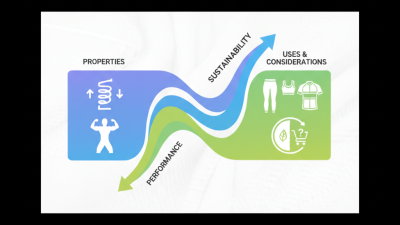
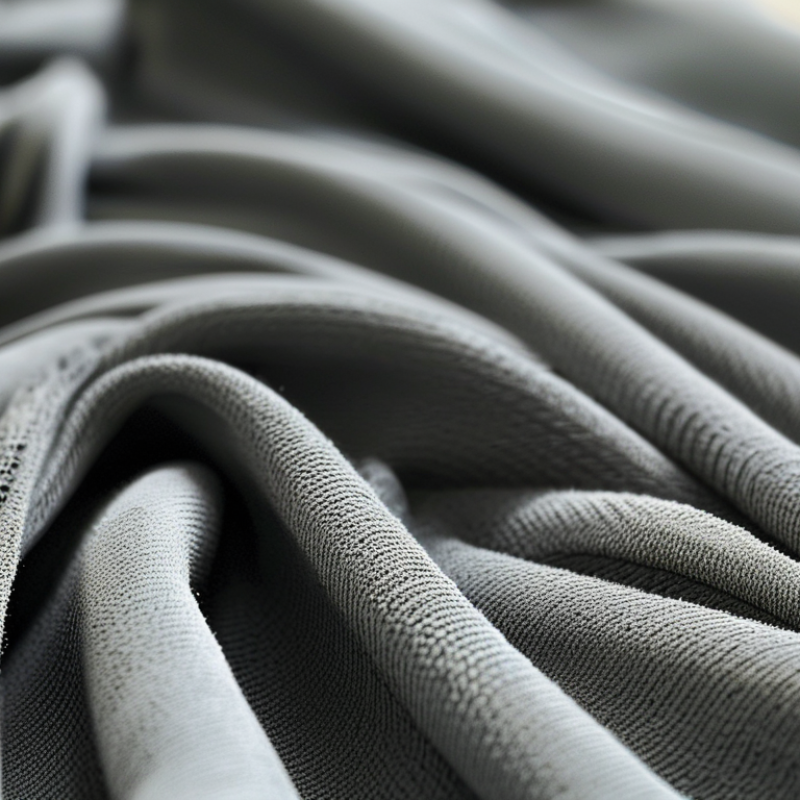
Lycra fabric, known for its elasticity, offers several unique characteristics that appeal to global buyers. One prominent feature is its ability to stretch significantly without losing shape. This quality makes it ideal for activewear and form-fitting garments. The comfort provided by Lycra is essential for everyday wear. Buyers appreciate how it enhances mobility in various activities.
The durability of Lycra adds to its value. It resists wear and deterioration, ensuring longevity in products made from it. However, not all Lycra blends are equal. Some cheaper varieties may lack the same resilience. It's worth investigating the material's source and production methods to ensure quality. Environmental concerns are also rising. Sustainable production processes are becoming increasingly important for buyers.
Another benefit is moisture-wicking properties. Lycra helps keep wearers dry, making it suitable for sporting activities. This feature might not be present in every blend. Therefore, careful selection can enhance performance. Overall, understanding the diverse options available can help buyers make informed decisions when selecting Lycra fabric for various applications.
Emerging Trends in Lycra Fabric for 2026 Global Markets
As global buyers prepare for 2026, emerging trends in Lycra fabric take center stage. The demand for lightweight and breathable options continues to rise. Fabrics combining Lycra with sustainable materials are gaining popularity. This aligns with a commitment to eco-friendly practices. Manufacturers are exploring new blends that enhance comfort and performance.
Innovative dyeing techniques are changing how colors are applied to Lycra. These methods improve vibrancy and durability. However, there's an ongoing challenge in ensuring that these processes are environmentally sustainable. Transparency in sourcing materials is becoming crucial. Buyers increasingly prefer brands that prioritize ethical practices.
The market is also seeing a surge in athleisure wear. Consumers seek flexibility and versatility in their clothing. Lycra's inherent stretch offers these benefits, but not all fabrics meet performance expectations. This raises questions about quality control and consistency. Buyers must navigate this complex landscape, weighing choices against long-term value and ethical considerations.
Best Lycra Fabric Options for 2026 Global Buyers? - Emerging Trends in Lycra Fabric for 2026 Global Markets
| Fabric Type |
Key Characteristics |
Sustainability Level |
Market Demand (%) |
Predicted Growth Rate (2026) |
| High Performance Lycra |
Excellent elasticity and durability |
Moderate |
30% |
5% |
| Eco-Friendly Lycra |
Biodegradable and recycled content |
High |
25% |
8% |
| Compression Lycra |
Enhanced muscle support |
Low |
20% |
6% |
| Lightweight Lycra |
Breathable and quick-drying |
Moderate |
15% |
7% |
| Thermal Lycra |
Insulates and retains warmth |
Low |
10% |
4% |
Top Lycra Fabric Suppliers to Consider for International Sourcing
When sourcing Lycra fabric for international markets, identifying reliable suppliers is critical. In 2026, the demand for Lycra is expected to grow. The global market for stretchable fabrics, including Lycra, is projected to reach over $15 billion by 2026. This growth stems from the rise in activewear and athleisure trends. Choosing suppliers with a proven track record in quality and sustainability can enhance the value of your sourcing strategy.
Consideration of textile certifications is essential. Suppliers often showcase certifications like OEKO-TEX and GOTS, reflecting their commitment to health and the environment. For instance, a recent report indicated that around 40% of textile buyers prioritize sustainable sourcing. Engaging with suppliers that prioritize transparency can foster trust and a stronger supply chain. However, challenges exist in assessing supplier capabilities. Do they meet your specific needs for durability or elasticity? Addressing these questions can prevent future supply disruptions.
To ensure you make informed decisions, deeper research into supplier backgrounds is necessary. What do their past clients say? Are there any red flags in their production processes? These aspects can significantly impact your sourcing results. Taking time to analyze potential partners will yield better outcomes in the long run.
Sustainability Practices in the Production of Lycra Fabrics
Sustainable practices in the Lycra fabric production sector are gaining traction. According to the Global Fashion Agenda, the fashion industry produces around 92 million tons of waste annually. This has led manufacturers to re-evaluate their processes. They are increasingly adopting eco-friendly materials and practices. The use of recycled nylon fibers is on the rise. Brands now incorporate post-consumer waste, reducing reliance on virgin materials.
Lycra production often involves intensive water and energy consumption. Reports indicate a 50% reduction in water use can be achieved with new technologies. Innovations such as waterless dyeing processes show promise. However, the transition has been slow. Many factories still struggle with outdated methods. Transparency remains an issue; consumers increasingly demand clarity about fabric origins.
Stakeholders are aware of challenges in the supply chain. The design process must evolve to minimize environmental impact. Collaboration between manufacturers and fabric designers is crucial. It creates a ripple effect, promoting sustainable choices across various fashion markets. The data highlights a need for improved practices. Reflecting on these challenges reveals opportunities for growth within the industry.
Innovative Applications of Lycra Fabric in Fashion and Sportswear
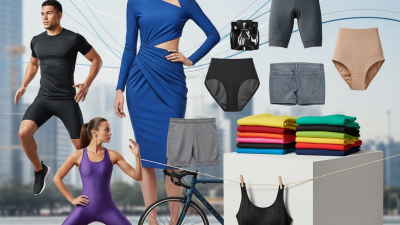
Lycra fabric has carved a niche in both fashion and sportswear, thanks to its stretchability and comfort. In 2026, we can expect innovative applications that push the boundaries of how this fabric is utilized. Designers are experimenting with new weaves and blends, creating unique textures that enhance performance while maintaining aesthetic appeal. Athletes will appreciate garments that move with them seamlessly.
Moreover, the sustainability aspect of Lycra is emerging. Many manufacturers are exploring eco-friendly alternatives that mimic the benefits of traditional Lycra. This movement may lead to designs that not only perform well but also resonate with environmentally-conscious consumers. However, finding a balance between durability and sustainable practices remains a challenge.
Fashion shows are increasingly highlighting collaborations between technologists and fashion designers. They are redefining how Lycra is used, pushing for smart textiles that respond to body temperature and activity levels. These innovations could make Lycra not just a choice for comfort, but a choice for wellness. Yet, the integration of technology into fabric design still invites skepticism and calls for further research into long-term usability.