2026 Top Trends in Stretch Knit Fabric for Fashion and Apparel?
In the ever-evolving world of fashion, trends in materials significantly influence design choices. Stretch knit fabric has gained immense popularity due to its versatility and comfort. Industry expert Dr. Emily Carter states, “Stretch knit fabric empowers designers to create garments that move with the body.” This statement highlights the practical benefits of such materials, making them a staple for modern apparel.
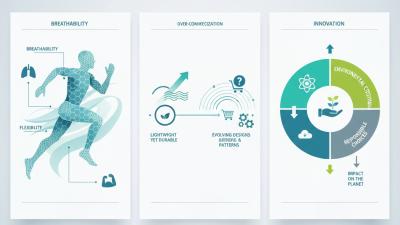
As we look ahead to 2026, several key trends in stretch knit fabric will emerge. The push for sustainability will lead to new eco-friendly blends that maintain durability. Additionally, innovations in technology will introduce smart fabrics that offer enhanced functionality. Designers are closely monitoring these trends, seeking to harness the potential of stretch knit fabric to redefine comfort and style.
However, not all aspects of these trends are flawless. Some fabrics may compromise breathability for stretch. Designers must balance performance and comfort. Understanding the complexities of stretch knit fabric is essential for creating garments that truly resonate with consumers. The future is bright, yet challenges remain in optimizing this beloved material for diverse fashion needs.

Emerging Innovations in Stretch Knit Fabric Technology for 2026
As we approach 2026, stretch knit fabric technology sees exciting innovations. The focus on comfort and versatility remains paramount. Designs now integrate moisture-wicking properties. This allows active wear to maintain freshness during workouts. Additionally, fabrics are becoming more breathable. This improvement enhances overall wearability.
Sustainability trends are also emerging. More manufacturers are exploring eco-friendly materials. Recycled fibers are gaining traction. This shift supports the growing demand for responsible production. Brands are urged to consider their environmental impact in their fabric choices.
**Tips:** Choose fabrics that blend functionality with sustainability. Look for lightweight materials that stretch comfortably. Always check for environmentally friendly certifications. This will ensure that your choices align with modern ethical standards. Each little decision contributes to a larger impact.
2026 Top Trends in Stretch Knit Fabric
The following bar chart illustrates the anticipated trends in stretch knit fabric technology for 2026, including the emphasis on sustainability, comfort, and performance. The data represents the percentage of focus that designers and manufacturers are expected to place on each trend.
Popular Color Palettes and Patterns in Stretch Knits for Upcoming Seasons
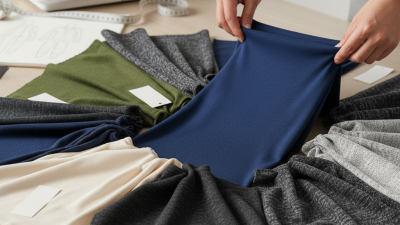
As we look ahead to 2026, stretch knit fabrics are set to dominate fashion trends. Popular color palettes will play a key role in shaping the collection of the upcoming seasons. According to industry reports, soft pastels, vibrant jewel tones, and earthy neutrals will define the landscape. Pastels will evoke a sense of calm, while jewel tones will add a touch of luxury. Earthy colors connect wearers to nature, a growing trend among conscious consumers.
Patterns will also evolve significantly. Reports indicate that abstract designs and organic shapes will be prevalent. These patterns reflect a desire for individuality and self-expression. Geometric patterns may also reappear, providing a structured contrast to softer knits. Shrinking attention spans mean consumers may gravitate towards bolder visuals. While classics never fade, the challenge remains: how to innovate within tradition?
Furthermore, sustainability initiatives drive color choices and patterns. A 2023 survey noted that 72% of consumers prefer eco-friendly materials. This trend prompts brands to use biodegradable dyes and non-toxic treatments. However, balancing innovation with tradition poses questions. Are brands truly embracing sustainability, or is it a marketing tactic? As the industry shifts, the interplay between vibrant colors and conscious choices will shape the future landscape of stretch knits for fashion.
Sustainability Trends Impacting the Production of Stretch Knit Fabrics
In recent years, the fashion industry has seen a significant shift towards sustainability, affecting the production of stretch knit fabrics. Reports indicate that over 60% of consumers prioritize eco-friendly materials when purchasing apparel. This changing mindset compels manufacturers to rethink their sourcing and production strategies. Eco-conscious certifications are on the rise, with brands increasingly seeking out suppliers who meet stringent sustainability criteria.
The use of recycled materials, such as post-consumer plastics, is gaining traction in producing stretch knits. Data shows that using recycled fibers can reduce carbon emissions by up to 30%. Yet, challenges remain. The quality of recycled elastane often falls short of virgin fibers, prompting brands to reassess their choices. Innovations in technology are essential, as they offer opportunities to enhance the performance of sustainable fabrics.
Support for local production is another growing trend tied to sustainability. It minimizes the carbon footprint associated with shipping. However, this shift may affect production costs and timelines. Balancing sustainability with business efficiency presents a complex dilemma. As the demand for sustainable stretch knits rises, brands will need to navigate these nuanced challenges effectively.
Key Designers and Brands Leading the Stretch Knit Fashion Movement
The stretch knit fabric movement is rapidly gaining momentum in the fashion industry. Designers and brands are embracing this trend due to its versatility and comfort. According to a recent industry report, the market for stretch knit fabrics is projected to grow by 4.5% annually through 2026. This growth highlights the increasing demand for innovative and adaptable materials in apparel.
Key designers are setting the standard by integrating stretch knit fabrics into their collections. They emphasize both style and function. Stretch knits offer a unique blend of elasticity and softness, enhancing wearability. For example, several influential designers are experimenting with various textures and patterns, pushing the boundaries of what stretch knit can achieve. However, this trend is not without challenges. Ensuring the right balance between comfort and durability remains a concern.
Moreover, the sustainability aspect of stretch knits prompts reflection. Although many brands are adopting eco-friendly practices, sourcing these materials can be complex. The desire for organic materials often clashes with the need for advanced functionality. As the industry evolves, while pushing for innovation, it's crucial to remain mindful of these sustainability challenges. The future of stretch knit fashion holds promise, yet it requires ongoing exploration and adjustment.
Consumer Preferences Shaping the Future of Stretch Knit Apparel in 2026
As consumers increasingly embrace comfort and versatility in fashion,
the demand for stretch knit apparel is on the rise. In 2026, this trend reflects a shift towards fabrics that cater to an active lifestyle.
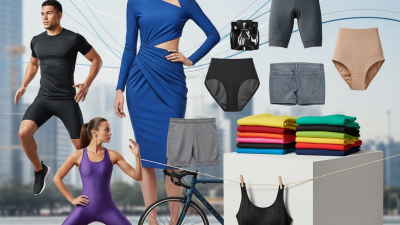
Shoppers are looking for clothing that offers mobility, breathability, and a flattering fit. These preferences shape the designs and materials used in stretch knit fabrics, driving innovation in the industry.
Sustainability is also a key factor influencing consumer choices. More people seek eco-friendly options that reduce environmental impact.
Brands are exploring recycled materials and sustainable practices. This push for ethical fashion reshapes product offerings in the stretch knit market.
However, not all brands successfully balance performance and sustainability. Striking the right chord can be challenging.
Additionally, the rise of digital fitting technologies has transformed how people shop for clothing.
Virtual fitting rooms offer consumers the chance to try on garments from home. This technology enhances the shopping experience.
However, it may lead to unrealistic expectations about fit and comfort. Designers must carefully address these issues to remain competitive in this evolving landscape.