Why Choose Polyester Fiber for Your Next Manufacturing Project?
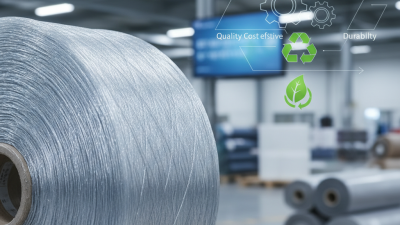
When considering materials for manufacturing, Polyester Fiber stands out as a top choice. This versatile material offers remarkable durability and strength, making it suitable for a wide range of applications. From apparel to industrial uses, its adaptability ensures that it can meet diverse needs.
Choosing Polyester Fiber means opting for a material that is lightweight yet robust. This makes it ideal for products that require flexibility and resilience. More importantly, it has excellent resistance to wrinkles and shrinking, providing long-lasting quality. However, it is essential to scrutinize the sourcing of this fiber. The environmental impact of polyester production is a concern for many. A thoughtful approach to its use can mitigate these issues.
Ultimately, Polyester Fiber combines practicality with performance. Its affordability and ease of care further enhance its appeal for manufacturers. Nonetheless, weighing its benefits against potential drawbacks is crucial in the decision-making process. Understanding these factors will lead to a more informed and responsible choice in manufacturing projects.

Understanding Polyester Fiber: Properties and Benefits
Polyester fiber is becoming a popular choice in various manufacturing projects. Its unique properties make it suitable for diverse applications. One of its standout features is its durability. Polyester resists stretching and shrinking, maintaining its shape even under stress. This makes it ideal for textiles and industrial products. Additionally, polyester is resistant to wrinkles and abrasion. These qualities ensure that products last longer, reducing waste and replacement costs.
Another significant advantage of polyester fiber is its water resistance. It dries quickly, which is beneficial for outdoor applications. This feature is essential when considering fabrics for sporty or outdoor clothing. Furthermore, polyester has excellent color retention. It holds dyes well, allowing for vibrant color options. Manufacturers often overlook this aspect. But, it's crucial for maintaining brand identity in products.
However, there are some downsides to consider. While polyester is strong, it can be less breathable compared to natural fibers. This might affect comfort in specific uses. Additionally, the production process of polyester can raise environmental concerns. Reflecting on these challenges is vital for responsible sourcing. Balancing benefits with potential drawbacks will lead to better manufacturing choices.
Applications of Polyester Fiber in Manufacturing Industries
Polyester fiber is increasingly recognized in manufacturing industries due to its versatility. It finds extensive applications across textiles, automotive, and packaging sectors. In textiles, polyester provides durability and wrinkle resistance. According to the Textile Exchange, polyester accounts for around 52% of global fiber production, highlighting its significant role.
In the automotive industry, polyester is used in seat covers, carpets, and insulation. The lightweight nature enhances fuel efficiency. A report by Research and Markets indicates the polyester fiber market in the automotive sector is projected to grow at a CAGR of 5.2% until 2026. This growth stems from rising demand for lightweight materials that improve vehicle performance.
Despite its advantages, challenges persist. The production of polyester can contribute to environmental concerns. Manufacturers are exploring recycled polyester options to mitigate waste. However, the transition to sustainable sources requires careful planning and investment. Finding a balance between performance and ecological impact is crucial for future manufacturing strategies.
Applications of Polyester Fiber in Manufacturing Industries
Comparing Polyester Fiber with Other Synthetic Fibers
When considering synthetic fibers for manufacturing, polyester stands out due to its unique properties. Polyester fiber exhibits excellent durability and resistance to shrinking and stretching. According to the American Fiber Manufacturers Association, polyester accounts for about 55% of the global fiber market. This dominance highlights its widespread applicability across various sectors.
Comparing polyester with other synthetic fibers reveals significant advantages. For instance, nylon fibers tend to be stronger but lack polyester's moisture-wicking abilities. Research by the Textile Institute shows that polyester dries quickly, making it ideal for activewear and outdoor products. Additionally, polyester maintains color better than acrylic, ensuring longevity and vibrancy in textiles. However, one must consider sustainability challenges. Polyester is derived from petroleum-based products, raising concerns about environmental impact.
Polyester's versatility cannot be ignored. It can be blended with natural fibers to enhance characteristic properties. This adaptability makes it suitable for diverse applications, from apparel to industrial fabrics. Yet, the production process demands careful management to minimize waste and energy consumption. Manufacturers must weigh these factors when choosing the best fiber for their projects.
Sustainability and Environmental Impact of Polyester Fiber
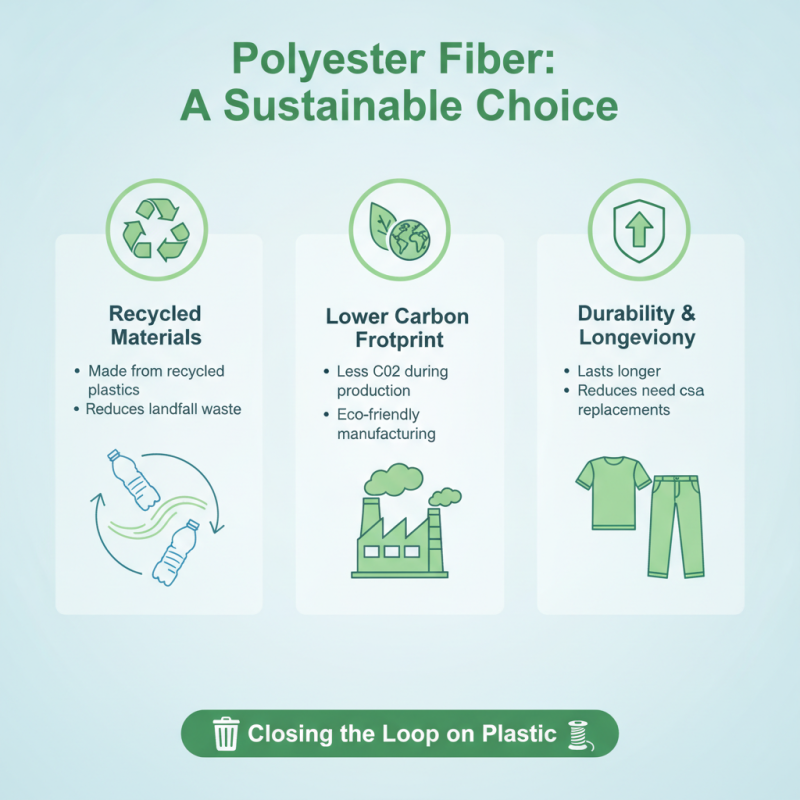
Polyester fiber is gaining attention for its sustainability and minimal environmental impact. This material is often made from recycled plastics, reducing waste in landfills. Using these recycled fibers helps close the loop on plastic products. Additionally, polyester has a lower carbon footprint compared to other fibers during production. However, it is crucial to consider the durability of polyester, as it can last longer, reducing the need for frequent replacements.
When choosing polyester for manufacturing, think about sourcing from reputable suppliers. Look for certifications in sustainable practices. This can enhance your project's credibility. Moreover, ensure that the production process emits fewer pollutants. Investing in eco-friendly methods can make a significant difference.
One challenge is the potential for microplastics to enter waterways. It's vital to select manufacturing processes that minimize this risk. Regular evaluations of your production methods can lead to improvements in sustainability. As you move forward, reflect on your choices and remain open to adjustments. Each step taken contributes to a more sustainable future.
Cost-Effectiveness of Using Polyester Fiber in Production
Polyester fiber has gained popularity in various manufacturing sectors. Its cost-effectiveness is a significant advantage. This synthetic fiber is cheaper to produce compared to natural fibers. Businesses looking to cut production costs can benefit greatly from using polyester. The price of raw materials can fluctuate, making polyester a stable choice.
In addition to affordability, polyester fiber offers durability. It resists wrinkles, shrinking, and stretching. This means less waste and lower replacement costs over time. Manufacturers can produce high-quality items without overspending. Yet, some may question its environmental impact. Polyester is recyclable, but the process needs improvement. Awareness of sustainability issues grows, and manufacturers are urged to choose wisely.
Using polyester effectively requires understanding its properties. While it may save money initially, long-term impacts matter. Balancing cost with environmental responsibility is essential. Companies should evaluate how fabric choices affect their brand reputation and consumer trust. Transparency in sourcing and production processes can enhance credibility.
Why Choose Polyester Fiber for Your Next Manufacturing Project? - Cost-Effectiveness of Using Polyester Fiber in Production
| Dimension |
Polyester Fiber |
Cotton Fiber |
Nylon Fiber |
| Cost per Kg |
$2.00 |
$3.50 |
$4.00 |
| Durability |
High |
Medium |
High |
| Moisture Absorption |
Low |
High |
Medium |
| Production Flexibility |
High |
Medium |
Low |
| Color Retention |
Excellent |
Good |
Fair |