How to Choose the Right Fabric Material for Your Business?
Choosing the right fabric material for your business can be challenging. As Kevin Moore, an expert in textile technology, states, "The right fabric can define a brand." Business owners often overlook the impact of fabric on their products. Selecting fabric material involves considering durability, comfort, and manufacture cost.
Many popular fabric choices, like cotton and polyester, serve different purposes. For example, cotton offers breathability and softness, while polyester provides durability and resistance to wrinkling. The choice is not just about aesthetics; it's about functionality, too. Business owners should reflect on how fabric affects their brand image and customer satisfaction.
In the competitive fabric material industry, the details matter. An uninformed choice can lead to wasted resources and poor customer feedback. It’s essential to evaluate each option carefully. Balancing trends with practicality is vital. Making informed decisions today can impact long-term success.
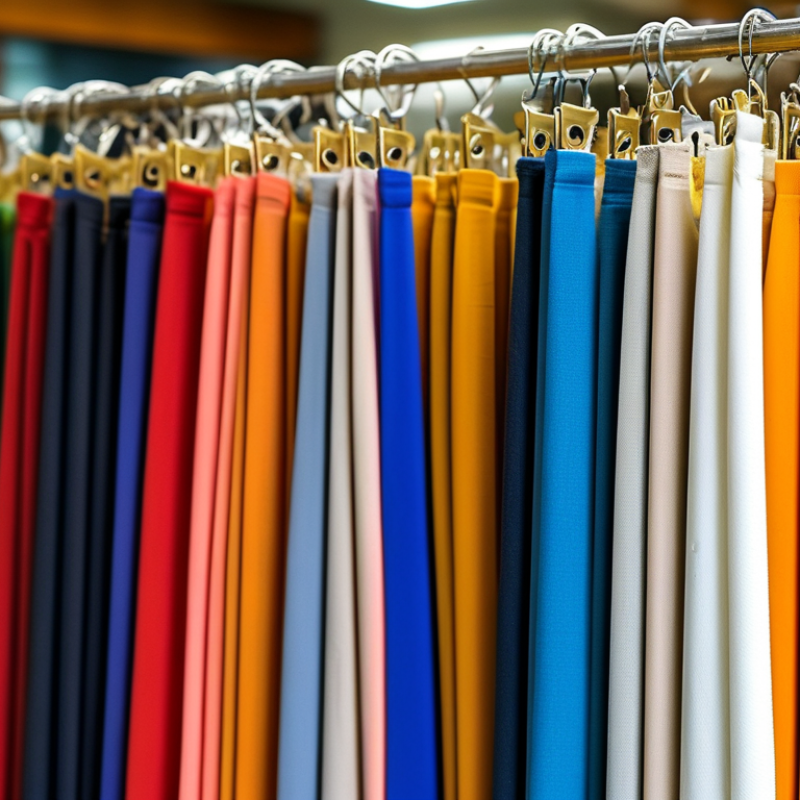
Understanding Fabric Types: A Comprehensive Guide for Businesses
Choosing the right fabric material is essential for businesses. Fabrics come in various types, each serving different purposes.
Cotton is soft and breathable. It’s ideal for casual wear and home textiles. However, it may not last as long under heavy use.
Polyester, on the other hand, is durable and resistant to wrinkles. This makes it popular for uniforms and workwear. While it’s cost-effective, it may feel less comfortable in hot weather. Understanding these characteristics is crucial for your needs.
Natural fabrics like wool or linen offer unique benefits, too.
Wool is warm and moisture-wicking, yet it can be itchy for some.
Linen is lightweight but prone to wrinkles. Recognizing both benefits and limitations aids in informed decisions. Your choices reflect your brand, so consider this seriously.
Key Factors Influencing Fabric Selection: Durability, Cost, and Sustainability
When selecting fabric for your business, three critical factors stand out: durability, cost, and sustainability. Durability is paramount. Fabrics must withstand daily wear and tear. For instance, a clothing line will need fabrics that maintain their shape and color after multiple washes. Choosing something that frays easily can lead to customer dissatisfaction. It's essential to test samples under various conditions.
Cost is another significant factor. Balancing quality and price can be challenging. Some fabrics offer a lower initial cost but may require more frequent replacements. A more durable fabric might seem expensive upfront but can save money in the long run. Evaluate your budget and determine the best cost-effective option for your needs.
Sustainability is becoming increasingly important. Consumers are more mindful of environmental impact. Selecting eco-friendly materials can enhance your brand image and attract customers. However, this can complicate the decision-making process. The most sustainable options may not always align with durability or cost. Reflecting on these trade-offs will help you make an informed choice that resonates with both your values and your business goals.
Industry Trends: The Shift Towards Eco-Friendly Fabric Materials
The shift towards eco-friendly fabric materials is substantial in today's textile industry. More businesses are recognizing the environmental impact of their choices. Consumers are more informed than ever, demanding sustainable options. This trend is not just a fad; it reflects a growing awareness of our planet's needs.
Many fabric manufacturers are now exploring organic and recycled materials. For instance, organic cotton uses fewer pesticides and consumes less water. Recycled polyester helps reduce plastic waste, creating a circular economy. Brands are experimenting with new materials, though the road is not without challenges. Sourcing sustainable fabrics can be more expensive.
Adopting eco-friendly practices requires reflection. Businesses must evaluate their supply chains and consider the long-term benefits. It’s not just about being trendy. The responsibility of making ethical choices rests on every company. Transitioning to eco-friendly fabrics can drive innovation, yet it also needs careful planning and commitment.
Analyzing Fabric Performance: Breathability, Weight, and Maintenance Needs
When selecting fabric materials for your business, understanding fabric performance is crucial. Breathability is a key factor. Fabrics that allow air circulation help keep the wearer cool. According to industry data, materials like cotton and linen provide excellent breathability. Studies show that breathable fabrics can reduce sweat buildup by up to 30% during warm weather. This is essential for activewear and uniforms used in hot environments.
Weight also significantly impacts fabric choice. Lightweight fabrics are often preferred for their comfort and versatility. Research indicates that lightweight polyester can be 30% lighter than cotton, making it suitable for layering in various climates. However, it's essential to note that lighter fabrics may require more careful maintenance to prevent wear and tear. Many businesses overlook maintenance needs. Fabrics like wool are heavier but can be more durable over time. They also often require dry cleaning, which could increase operational costs.
Considering these aspects can improve overall performance and satisfaction. Balancing breathability, weight, and maintenance is not straightforward. A fabric might excel in one area but lag in another. Identifying the right material requires trial and error. Businesses must assess their specific needs and budget constraints carefully. This reflective process can lead to the best fabric choices for different applications.
How to Choose the Right Fabric Material for Your Business?
| Fabric Type |
Breathability |
Weight (g/m²) |
Maintenance Needs |
| Cotton |
Good |
150-200 |
Easy, machine wash |
| Polyester |
Moderate |
120-220 |
Easy, durable |
| Linen |
Excellent |
150-250 |
Moderate, may need ironing |
| Wool |
Good |
200-400 |
Dry clean recommended |
| Nylon |
Fair |
90-180 |
Easy, quick-dry |
Consumer Preferences: How Fabric Choices Impact Brand Identity and Sales
Choosing the right fabric material is crucial for any business. Consumer preferences directly influence brand identity and ultimately, sales. Recent reports show that 72% of consumers prioritize fabric quality in their purchasing decisions. This statistic reflects a growing trend towards sustainable and ethically sourced materials, which can enhance brand perception.
Attention to fabric choices plays a vital role in conveying your brand's values. For instance, organic cotton communicates a commitment to sustainability. In contrast, synthetic fabrics may tarnish a brand's image. An industry report reveals that brands focusing on eco-friendly materials see a 30% increase in customer loyalty. Brands must integrate fabric choices into their storytelling to resonate with conscious consumers.
Tip: Consider conducting surveys to understand your audience's preferences regarding fabric. This input can guide your material selection. Keep in mind, some customers may prefer luxury over sustainability or vice versa, leading to mixed feedback.
Tip: Regularly assess your fabric suppliers. Ensure they meet ethical and quality standards. This evaluation helps maintain your brand's integrity and can build trust. Consumer opinions can shift. Be ready to adapt to their changing needs.