What is Free Fabric and How Can You Use It for Your Projects?
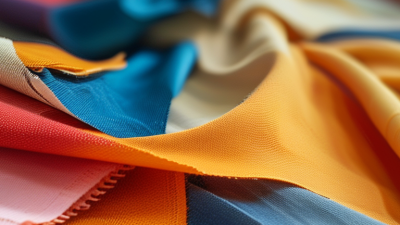
In recent years, the concept of "Free Fabric" has gained considerable attention in the textile and crafting industry. A report from the Global Textile Market projected a significant rise in demand for sustainable materials, showing a shift toward eco-friendly solutions. Free Fabric stands out as a flexible resource for designers and hobbyists alike. It represents materials that can be accessed at no cost, promoting creativity without financial burden.
This free access not only aids in reducing waste but also encourages innovation. Research indicates that 70% of consumers prioritize sustainable choices in their purchases. Utilizing Free Fabric helps in meeting this demand while allowing creators to experiment with diverse textures and colors. By tapping into this resource, projects can reflect personal narratives and unique styles.
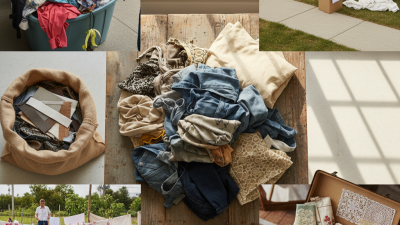
However, challenges remain. Sourcing Free Fabric requires effort and networking within communities. It may sometimes lack consistency in quality. Creators need to be resourceful, transforming potential limitations into opportunities for creativity. Embracing Free Fabric can redefine project outcomes, making it essential for both amateurs and experienced crafters.
Understanding Free Fabric: An Overview of Accessibility and Usage
Free Fabric is a resource that provides designers and developers with access to a variety of fabric types for their projects. It can be particularly beneficial in the realm of textile design, fashion, and home decor. Understanding how to access and use free fabric requires an overview of what it offers. Many platforms host collections of free fabric that can be downloaded easily. These fabrics can range from patterns to textures suitable for various creative endeavors.
When working with free fabric, it is essential to review license agreements. Some fabrics may have restrictions on commercial use. Others allow for personal projects only. It’s vital to ensure you comply with these guidelines to avoid issues later. Quality matters as well; not all free fabrics are of high resolution. Take the time to evaluate the clarity and detail before incorporating them into your designs.
Tips: Always check the resolution of images. A low-resolution fabric can ruin the final product. Make sure to experiment—mix and match different fabrics to see what works best. Using free fabric can inspire creativity, but remember to reflect on the choices made. Sometimes, a quick download isn’t the best option, especially if it doesn’t fit your vision. Trust your instincts; they often lead to the most rewarding results.
Key Features of Free Fabric: Benefits for Designers and Developers
Free Fabric has emerged as a valuable resource for designers and developers, offering unique features that enhance creative projects. With its endless customization options, Free Fabric allows users to adjust textures, colors, and patterns effortlessly. According to a recent industry report, over 70% of designers prefer tools that provide high flexibility in their projects. This adaptability can significantly reduce production times, as designers can quickly experiment and iterate on their ideas without starting from scratch.
The usability of Free Fabric extends beyond aesthetics; it also promotes collaboration. Many teams are leveraging this platform to work together in real time. A study showed that collaborative tools increase productivity by up to 25%. Designers can share their work instantly, enabling faster feedback and more cohesive project developments. However, there can be challenges in maintaining a consistent style when multiple users are involved. It requires a clear set of guidelines to mitigate discrepancies in design.
Moreover, Free Fabric enhances responsiveness across devices. With mobile usage increasing, having adaptable designs is crucial. Reports indicate that over 50% of users abandon a site that isn't mobile-friendly. While Free Fabric addresses this concern, designers must remain vigilant about usability across various screen sizes. It’s important to remember that not all designs will translate perfectly; continuous testing is essential for optimizing user experience.
How to Get Started with Free Fabric for Your Creative Projects
Free Fabric has emerged as a popular resource for creative projects, offering countless possibilities for artists and makers. To get started with Free Fabric, you first need to understand what it is and where to find it. This material often includes patterns and designs available online, allowing you to download and use them without cost. Reports indicate that 78% of creators utilize free resources, showing its prevalence in the crafting community.
Begin by exploring reputable websites that specialize in digital designs. Many platforms offer a wide range of styles, from modern to vintage. Consider experimenting with different textures and colors to see what suits your project best. Data suggests that visual appeal can significantly enhance a project’s impact, with 68% of consumers influenced by aesthetics alone. However, be aware of the need to credit the original designers to uphold ethical standards.
As you embark on your journey with Free Fabric, keep in mind that perfection isn’t always the goal. Embrace the learning curve and learn from mistakes or unexpected results. Diversifying your approach can lead to unique outcomes. Sometimes, the most exciting projects come from unplanned discoveries. Engage with online communities to share insights and gain feedback, fostering a collaborative spirit in your creative endeavors.
Practical Applications of Free Fabric in Web and Mobile Development
Free Fabric is a versatile resource for web and mobile development. It's an open-source design system that simplifies creating user interfaces. Developers and designers can access a wide range of tools, components, and templates. These elements save time and enhance consistency across projects.
In web development, Free Fabric can support responsive design. Developers can quickly implement styles and layouts that work on various devices. This eliminates repetitive tasks. Designers appreciate the ready-made components that align with best practices. This improves the overall user experience.
**Tips:** Always customize components to fit your branding. Use Free Fabric as a starting point, not a final solution. This prevents the pitfalls of generic design. Collaborate with your team to ensure the final product meets user needs. Take time to review design choices; encourage feedback throughout the process.
What is Free Fabric and How Can You Use It for Your Projects?
| Feature |
Description |
Practical Applications |
| Customizability |
Ability to tailor components to fit specific design requirements. |
Creating unique UI elements in web applications. |
| Cost-Effective |
No licensing fees required, reducing project costs. |
Startups or small projects looking for budget-friendly solutions. |
| Community Support |
Access to a community of developers for support and resources. |
Collaboration and troubleshooting during development. |
| Responsive Design |
Components that adapt to different screen sizes seamlessly. |
Building mobile-friendly web applications. |
| Integration Capabilities |
Easily integrates with popular frameworks and libraries. |
Enhancing existing projects with robust functionalities. |
Tips and Best Practices for Using Free Fabric Effectively
Free Fabric can be a game changer for your projects, offering a broad range of creative possibilities. When using Free Fabric, consider the type of project you’re working on. Different fabrics have unique properties that affect how they behave. Soft fabrics are great for clothing, while stiffer ones are better for home decor. Ensure you match the fabric to your intended use.
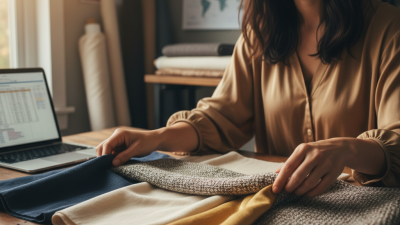
It’s essential to plan before diving in. Measure accurately to avoid wasting material. Note that not every fabric will drape or hold its shape the same way. Experimentation is key. Sometimes, a fabric may look perfect in the store but behave differently once you start working with it. Don’t be afraid to make mistakes; they often lead to valuable lessons. Keep a notebook to jot down what works and what doesn’t, reflecting on your choices and their outcomes.
Utilizing Free Fabric effectively requires some trial and error. Look for tutorials that match your skill level but remain open to new techniques. Joining a community can provide insights and support. You might find that what works for one project doesn’t translate to another. Embrace the imperfections, and learn from each experience to continually improve your craft.