What is Jersey Knit Fabric and Why is it Popular in China?
Jersey Knit Fabric has gained immense popularity in China for several compelling reasons. This versatile material is known for its excellent elasticity and softness, making it ideal for various clothing items. Many consumers appreciate its comfort, which is crucial for everyday wear. The fabric's ability to easily drape and mold to the body enhances its appeal for both casual and formal outfits.
As more Chinese brands discover the benefits of Jersey Knit Fabric, the market continues to expand. The material is not only affordable but also durable, which aligns with the growing consumer demand for quality and longevity in textiles. However, the manufacturing process requires careful attention to detail. Missteps can lead to inconsistencies in texture and strength, causing frustration for both consumers and manufacturers.
Despite its strengths, Jersey Knit Fabric is not without challenges. Some may overlook the importance of proper care, which can affect the fabric's lifespan. Additionally, ensuring sustainable practices in its production is a discussion worth having. The popularity of Jersey Knit Fabric in China brings both opportunities and considerations that warrant thoughtful reflection.
What is Jersey Knit Fabric?
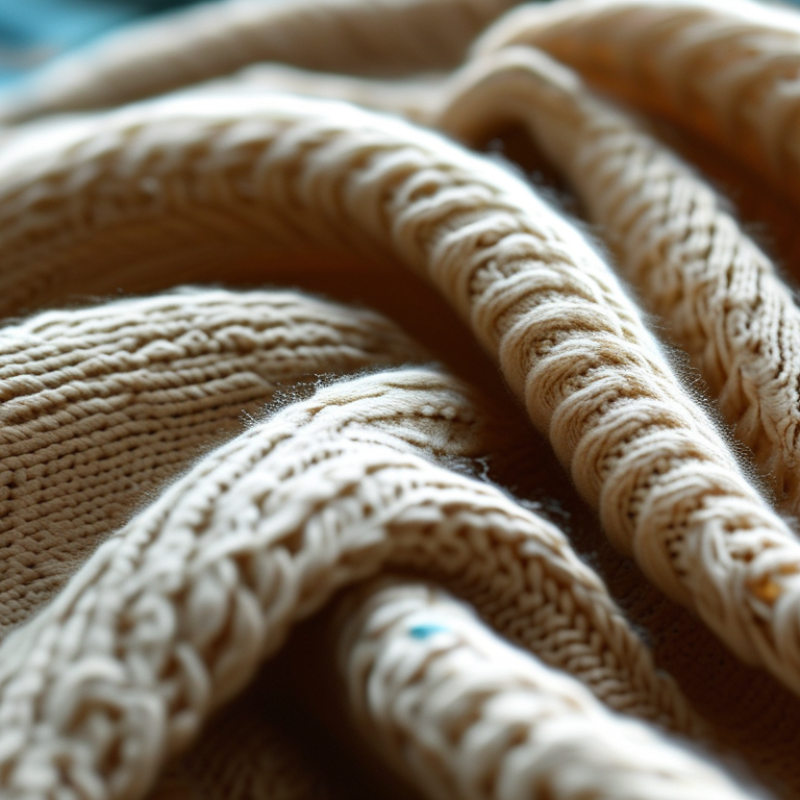
Jersey knit fabric is a versatile material known for its stretch and comfort. Made primarily from cotton or a cotton blend, it features a smooth surface on one side and a looped texture on the other. This fabric is typically lightweight, making it an ideal choice for t-shirts, dresses, and even loungewear. The unique knit structure allows it to drape well on the body, enhancing wearability.
In China, jersey knit fabric has gained popularity due to its adaptability. The fabric is breathable, allowing for comfortable wear in various climates. It is easy to care for, requiring minimal maintenance, which appeals to busy lifestyles. However, there are concerns about the quality of some jersey knits in the market. Not all options guarantee durability, which can lead to premature wear and tear. Buyers often need to evaluate fabric quality carefully before making a purchase.
Characteristics and Properties of Jersey Knit Fabric
Jersey knit fabric is favored for its versatility and comfort. It is widely used in casual wear and activewear in China. The material is composed of interlocking loops, which offers a natural stretch. This characteristic allows for a snug fit, enhancing the wearer's mobility. According to industry reports, jersey fabric accounts for approximately 20% of the global knitwear market. Its unique properties contribute to this popularity.
This fabric is soft against the skin, making it ideal for everyday clothing. The breathability of jersey knit also adds to its appeal. Whether it's a dress or t-shirt, comfort is key. A report from an apparel research organization noted that around 65% of consumers prioritize comfort over style when choosing clothing. However, it can sometimes pill or lose its shape with repetitive washing.
Another appealing feature is the fabric's ability to retain color after dyeing. This ensures vibrant hues that remain durable over time. Notably, this can prevent the frustration of fading, which consumers often face with other fabrics. The sustainability aspect is still under scrutiny. While jersey knit can be made from organic materials, the majority is still synthetic. The industry must reflect on this challenge to meet rising eco-conscious consumer demand.
Historical Development of Jersey Knit Fabric in China
Jersey knit fabric has a rich history in China, tracing its roots back to the early 20th century. Initially, it was imported from Europe. The soft texture and stretchable quality quickly captured the attention of Chinese consumers. As factories adapted production techniques, local artisans began to experiment with styles and patterns, leading to unique variations.
In the 1980s, the demand for jersey fabric surged. Economic reforms opened doors for textile innovations. Local manufacturers started mass-producing jersey knit, meeting the growing needs of the clothing market. However, challenges remained. Quality control became a concern as production scaled up. Some fabrics were less durable than expected. Thus, brands faced a dilemma in balancing quantity and quality.
Today, jersey knit fabric is ubiquitous in China. It is commonly used in casual wear, sportswear, and even home textiles. However, not all jersey knits are created equal. Consumers still grapple with understanding fabric quality. Awareness is growing, but misinformation can mislead buyers. Consequently, there’s a pressing need for educating the market about choosing the right material. This ongoing journey reflects how history influences modern preferences.
Reasons Behind the Popularity of Jersey Knit Fabric in China
Jersey knit fabric is increasingly popular in China for various reasons. Its softness and stretchability make it a comfortable choice for casual wear. According to a report by the China National Textile and Apparel Council, the domestic demand for jersey knit fabric has grown by over 15% annually. This growth indicates a shift toward more relaxed clothing styles among Chinese consumers.
The rise of athleisure fashion is a significant factor in jersey knit's popularity. Many consumers prefer clothing that combines comfort with versatility. Jersey knit fulfills this need perfectly, making it suitable for both workouts and everyday outings. Textile industry expert Dr. Li Han notes that jersey knits are also cost-effective, balancing quality and affordability. This affordability attracts eco-conscious shoppers looking for durable products.
However, while the fabric is widely appreciated, concerns over sustainability persist. The production of jersey knit fabrics can involve synthetic fibers that harm the environment. Awareness of eco-friendly alternatives is growing, pushing manufacturers to innovate. As the market evolves, balancing comfort, style, and sustainability will be crucial for continued growth in this segment.
Applications and Uses of Jersey Knit Fabric in Fashion and Textiles
Jersey knit fabric has gained popularity in the fashion industry for various reasons. Its unique stretchability and softness make it ideal for creating comfortable garments. In China, where fashion trends evolve rapidly, this fabric fits perfectly in casual wear. T-shirts, dresses, and loungewear often use this material due to its versatility.
This fabric adapts well to different styles. Designers appreciate its ability to drape beautifully while allowing for ease of movement. Jersey knit’s breathability makes it perfect for warmer climates. However, not all jersey knits are created equal. Some may lack durability, leading to quick wear and tear. The choice of fibers—cotton, polyester, or blends—affects the quality and functionality of the fabric significantly.
In children's clothing, jersey knit is a go-to material. It withstands active play and frequent washing. Yet, some parents might find color fading after several washes. This raises questions about the long-term performance of ethically sourced materials. Overall, jersey knit fabric continues to thrive, but both manufacturers and consumers should be vigilant about quality.
What is Jersey Knit Fabric and Why is it Popular in China? - Applications and Uses of Jersey Knit Fabric in Fashion and Textiles
| Application |
Description |
Popularity Reasons |
| Casual Wear |
Comfortable and stretchy, ideal for t-shirts and casual leggings. |
Soft texture and breathability make it a preferred choice. |
| Activewear |
Used in workout clothes, providing flexibility during exercise. |
High elasticity and moisture-wicking properties enhance performance. |
| Children's Clothing |
Soft, stretchy, and easy to wash, perfect for kids' apparel. |
Durability and comfort ensure long-lasting wear. |
| Sleepwear |
Ideal for pajamas, soft and relaxed fit promotes better sleep. |
The gentle feel against the skin makes it popular for bedtime wear. |
| Fashion Tops |
Used in stylish blouses and tunics, appealing for casual and dressy occasions. |
Versatility in styling allows for numerous fashion statements. |