Top Polyester Stretch Material Suppliers Worldwide
Choosing the right Polyester Stretch Material supplier requires more than comparing prices on a spreadsheet. Fabric rolls may look similar under warehouse lighting, yet perform differently after washing, dyeing, sewing, and repeated wear. Stretch recovery, fabric weight, elastane content, colorfastness, abrasion resistance, and dimensional stability all influence the final product.
Textile scientist Dr. Subhash K. Batra has described polyester as “the workhorse fiber of the textile industry.” That perspective remains useful today. Polyester offers strength, quick drying, shape retention, and broad design flexibility. When combined with stretch fibers, it can support sportswear, uniforms, swimwear, medical garments, and fitted fashion products.
This guide examines leading Polyester Stretch Material suppliers worldwide through practical criteria. These include manufacturing experience, laboratory testing, production capacity, recycled content, certification practices, minimum order quantities, and delivery reliability. Supplier communication also matters. Clear technical sheets can prevent costly mistakes.
No supplier is perfect.
A factory may offer excellent recovery but limited color options. Another may provide competitive pricing but longer lead times. Some claims deserve closer checking. Certifications should be verified, not simply displayed on a website. Samples should be washed, stretched, and inspected under realistic conditions before large orders are placed.
The companies discussed here are not ranked by marketing language alone. Their capabilities, transparency, product consistency, and suitability for different applications shape the evaluation. Market conditions can change, and this guide should support further due diligence rather than replace it.

Definition and Key Features of Polyester Stretch Material
Top Polyester Stretch Material Suppliers Worldwide
Definition and Key Features of Polyester Stretch Material
Polyester stretch material is a textile made from polyester fibers with elastic yarns or mechanical stretch structures. Elastane often provides flexible movement and recovery. Some constructions use textured polyester alone. This material feels smooth, resists wrinkles, and maintains color during regular wear. Its strength suits sportswear, uniforms, swimwear, and fitted household textiles. The exact performance depends on yarn quality, fabric structure, and finishing methods.
A useful fabric sample should stretch evenly across its width and length. After release, it should return without obvious sagging. Polyester also dries quickly because it absorbs limited moisture. This feature helps during active use, although it may hold body odor without suitable finishing. Abrasion resistance is another practical advantage. Repeated rubbing against a backpack strap should not immediately damage the surface.
Heat requires attention. Excessive ironing or poorly controlled finishing can affect elasticity and cause shine. A reliable supplier should provide fabric weight, stretch percentage, recovery data, composition, and test conditions. Ask whether testing follows a recognized textile method. Numbers without test details can mislead.
In my experience, a fabric that feels excellent in a showroom may perform differently after washing. A small trial remains essential.
Polyester stretch material is not flawless. Some users prefer natural fibers because polyester can feel warm in humid conditions. That limitation deserves honest consideration before large-scale purchasing.
Major Types of Polyester Stretch Fabrics and Their Applications
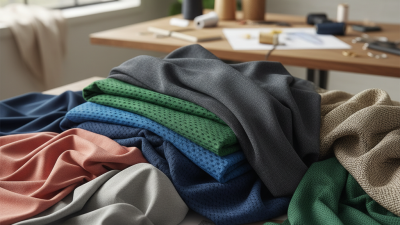
Polyester stretch fabrics differ by yarn structure, blend, and recovery performance. Polyester-spandex fabric remains the most common type, combining polyester’s abrasion resistance with elastane’s strong extension. It suits leggings, swimwear, dancewear, and fitted uniforms. Two-way stretch supports controlled movement, while four-way stretch follows the body more closely. In practice, poor recovery can create knee bags after repeated wear.
Textured polyester, including false-twist yarn constructions, offers moderate stretch without a high elastane content. It is widely used for shirts, sports tops, linings, and travel trousers. PBT polyester provides better chlorine resistance and elastic recovery than standard polyester, making it useful for swimwear and performance garments. Knitted structures add comfort, but they may roll at the edges or lose shape under heat. That detail is easy to overlook.
The 2024 Textile Exchange Materials Market Report recorded global fiber production at about 124 million tonnes in 2023, with polyester representing approximately 57%. Recycled polyester also accounted for a growing share of polyester output, although recycled content does not automatically improve stretch recovery. Suppliers should request test data for elongation, recovery, pilling, colorfastness, and wash durability. The International Organization for Standardization’s textile testing methods can support more consistent comparisons. Fabric samples remain essential. A specification sheet alone can hide harsh hand feel, uneven dyeing, or weak seams.
Leading Polyester Stretch Material Suppliers by Region
Asia remains the largest sourcing region for polyester stretch materials. China, India, South Korea, and Southeast Asia offer broad capacity, from polymer production to covered yarn and finished fabric. Textile Exchange’s 2024 Materials Market Report recorded global fiber production at about 124 million tonnes in 2023. Polyester represented roughly 57% of that volume. This scale supports competitive pricing, but it can also hide differences in consistency, traceability, and finishing quality.
Europe serves buyers seeking technical development, shorter delivery routes, and tighter documentation. Suppliers in Italy, Germany, Turkey, and nearby manufacturing hubs often focus on sportswear, medical textiles, and premium fashion fabrics. European mills commonly provide detailed test records for stretch recovery, colorfastness, abrasion, and restricted substances. Still, regional proximity does not guarantee better performance. A small laboratory sample can behave differently after repeated washing.
North American suppliers support domestic and nearshore programs, especially for performance apparel and industrial applications. The U.S. International Trade Commission and UN Comtrade data show the continuing importance of textile and apparel trade flows across North America. Buyers should compare fabric weight, elastane percentage, recovery after 50 wash cycles, and delivery reliability. Ask for production-lot samples. Keep the test conditions visible. Regional rankings can be useful, but they remain imperfect without factory audits, verified certificates, and real shipment records.
How to Evaluate Supplier Quality, Capacity, and Certifications
Top Polyester Stretch Material Suppliers Worldwide
Supplier evaluation should begin with verifiable production evidence, not attractive catalog images. Textile Exchange’s 2024 Materials Market Report estimates global fiber production reached 124 million tonnes in 2023. Polyester represented approximately 57% of that volume. This scale makes consistency difficult. Request three recent production records, including fabric weight, stretch recovery, shrinkage, and colorfastness results. Compare laboratory data with samples taken from different lots.
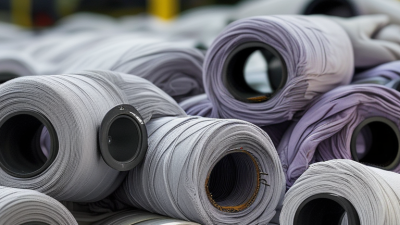
Capacity needs practical testing. Ask whether monthly output includes knitting, dyeing, finishing, and inspection. A supplier claiming 500 tonnes monthly may outsource critical processes. That can weaken traceability. Review machine lists, shift schedules, maintenance records, and peak-season delivery history. I would also request a controlled trial order. Small trials reveal more than polished presentations. They expose uneven elastane coverage, edge curling, or delayed test reports.
Certifications require careful checking. Request the certificate number, issuing body, covered facility, product scope, and expiry date. Recycled-content claims should include valid transaction documentation, not only a logo. ISO’s 2023 Survey recorded more than 1.4 million ISO 9001 certificates worldwide, but certification alone does not prove excellent fabric quality. Audit the quality system and inspect corrective-action records. An imperfect supplier may still be reliable if problems are documented and fixed quickly. My own caution is simple: never treat a certificate as a substitute for testing. Confirm restricted-substance results through an independent laboratory, and record every approval against a specific production lot.
Global Trends Shaping the Polyester Stretch Material Market
Global Trends Shaping the Polyester Stretch Material Market
The polyester stretch material market is changing through recycled content, lighter constructions, and stronger demand for traceable production. Suppliers worldwide now face closer scrutiny over fiber origin, dyeing methods, and factory energy use. In practice, buyers increasingly request test reports for stretch recovery, colorfastness, abrasion resistance, and washing performance. These checks reveal differences that product samples may hide.
Regional supply networks are also evolving. Asian manufacturers remain important, while other production centers support faster delivery and smaller order volumes. Digital product records are becoming more useful for comparing suppliers and tracking material batches. However, recycled polyester does not automatically guarantee lower environmental impact. Energy sources, transport distance, finishing chemicals, and factory wastewater still matter. The market’s direction seems clear, but a perfect forecast is unlikely.
Tips: Ask for recent laboratory data, not general claims. Compare recovery after repeated washing. Check minimum order quantities and lead times. Request clear information about recycled inputs and processing locations. A supplier with attractive pricing may create hidden costs through inconsistent quality. I have found that simple trial orders often expose weaknesses earlier than lengthy negotiations. That lesson is easy to overlook.