Top 10 Types of Lycra Fabric for Global Buyers?
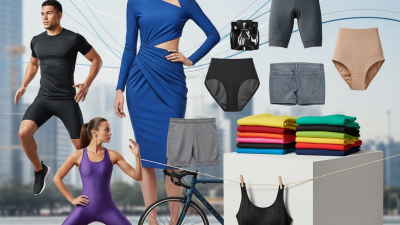
Lycra Fabric is no longer limited to basic sportswear. It now appears in leggings, swimwear, denim, lingerie, medical garments, and performance uniforms. For global buyers, fiber percentage is only one purchasing factor. End use, recovery, dye compatibility, knitting structure, and certification can change the final result.
The Grand View Research Spandex Market Report estimates that the global spandex market will continue expanding through 2030, driven by activewear and comfort-focused apparel. Textile Exchange’s Materials Market Report 2024 also records global fiber production at approximately 124 million tonnes in 2023. These figures show strong demand, but they do not guarantee suitable fabric performance. A low-cost fabric may lose recovery after repeated washing. That detail matters.
Julien Born, former CEO of The LYCRA Company, stated, “Our purpose is to add value to our customers and consumers through innovative fiber and technology solutions.” This principle is useful for sourcing decisions. Buyers should compare more than labels. Ask for stretch and recovery test results, fabric weight, blend ratios, colorfastness data, and production samples. Touch the fabric. Pull it repeatedly. Inspect the surface after washing.
This guide examines ten major types of Lycra Fabric, including nylon-Lycra jersey, polyester-Lycra tricot, cotton-Lycra blends, and recycled-fiber constructions. Each option serves a different commercial purpose. Some offer soft hand feel. Others deliver stronger compression or faster drying.
No single fabric wins everywhere. That is the difficult part. Regional climate, consumer expectations, supplier capability, and target price can alter the best choice. The ranking may also require revision as new fibers, finishes, and testing standards develop.
What Is Lycra Fabric and How Is It Made?
What Is Lycra Fabric and How Is It Made?
Lycra fabric usually means a textile containing elastane, a polyurethane-based stretch fiber. It starts with chemistry. Manufacturers react a diisocyanate with a glycol to form a soft prepolymer. A chain extender then builds longer polyurethane molecules. These molecules create the fiber’s recovery and flexibility. The solution is filtered before dry spinning removes the solvent with heated air. Hundreds of fine filaments may combine into one elastic yarn. The yarn can be bare, or covered with nylon or polyester for better abrasion resistance. Heat-setting controls shrinkage, although excessive heat may damage stretch performance.
Textile Exchange’s Materials Market Report 2024 reported global fiber production at about 124 million tonnes in 2023. It projects roughly 160 million tonnes by 2030, increasing pressure on material efficiency. Elastane remains a small portion of this volume, but it strongly affects garment fit and durability. After spinning, mills knit or weave the yarn, then apply dyes and finishing agents. Buyers should check elongation, recovery, heat tolerance, and blend percentage. ISO 2076 helps identify generic fiber types, but it does not guarantee fabric quality. Quality varies. A fabric may stretch widely yet recover poorly after repeated washing. That weakness is often missed during a quick hand test. Laboratory testing remains more reliable than showroom impressions, especially for swimwear, compression garments, and activewear.
Top 10 Types of Lycra Fabric for Global Buyers
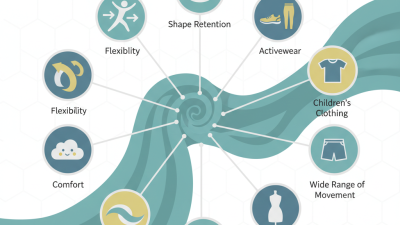
Lycra fabric generally refers to textiles blended with elastane fibers to improve stretch, comfort, and shape recovery. The chart compares representative stretch ranges by fabric construction. Actual performance depends on elastane content, yarn structure, knit density, fabric weight, and finishing.
How to Classify the Top Ten Lycra Fabric Types
Classifying the top ten Lycra-type fabrics requires more than checking stretch percentage. Buyers should assess construction, elastane content, recovery, weight, and end use. Textile Exchange reported 124 million tonnes of global fiber production in 2023, while elastane remained a small but technically important category. That difference matters. Small fiber inputs can control fit, durability, and comfort.
The ten practical classes include single jersey, interlock, rib knit, tricot, raschel powernet, woven stretch, stretch denim, swimwear fabric, compression fabric, and brushed athletic fabric. Jersey suits T-shirts and active tops. Interlock feels denser and more stable. Rib supports cuffs and body-hugging garments. Tricot offers smooth surfaces for lingerie and sportswear. Powernet provides firm mesh control. Woven stretch fabrics work well in trousers. Stretch denim needs strong recovery after repeated sitting. Swimwear fabrics require chlorine and UV testing. Compression fabrics need controlled pressure, not simply high elastane content. Brushed athletic fabrics add warmth and a soft inner face.
Testing changes the classification. In factory inspections, I would measure width, GSM, elongation, recovery, spirality, and colorfastness after washing. The boundaries are not perfect. A fabric may fit two classes. That is normal. The Global Textile Exchange preferred materials reports also emphasize traceability and material impact, reminding buyers to verify fiber claims through supplier documents. A higher elastane percentage does not automatically mean better quality. Poor knitting, heat damage, or weak recovery can still cause bagging. That is where buyers sometimes misjudge the fabric.
Key Features of Each Lycra Fabric Type
Top 10 Types of Lycra Fabric for Global Buyers
Key Features of Each Lycra Fabric Type
Lycra fabric usually means stretch textile containing elastane, also called spandex. Textile Exchange’s Materials Market Report 2024 estimates global fiber production reached 124 million tonnes in 2023. Stretch materials remain important in sportswear, swimwear, underwear, and fitted workwear. Buyers should check fiber content, recovery, weight, width, and colorfastness before ordering.
Single jersey is soft, breathable, and suitable for T-shirts and leggings. Rib knit offers stronger crosswise stretch and a closer fit. Tricot feels smooth and resists laddering, making it useful for swimwear and lingerie. Power mesh is lightweight, ventilated, and supportive. Compression knit provides firm pressure for athletic garments, but comfort depends on precise fabric tension. Brushed stretch fabric adds warmth and a soft surface. Ponte stretch fabric is dense, stable, and less likely to curl. Stretch denim improves movement while keeping a structured appearance. Stretch lace adds decoration but may require careful cutting. Neoprene-like stretch fabric gives body and insulation, although it can feel warm indoors.
The International Organization for Standardization and ASTM provide testing methods for textile strength, stretch, and recovery. ASTM D2594 is commonly used for stretch properties in knitted fabrics. A fabric may show excellent elongation but poor recovery after repeated wear. That detail is easy to overlook. Some suppliers also report 4-way stretch, yet the actual return force can vary by direction. Ask for laboratory results, wash testing, and a physical sample. Global buyers should also verify restricted-substance compliance and consistent production lots. Sampling remains imperfect, but it reveals more than a specification sheet.
Which Lycra Fabrics Suit Different Global Applications?
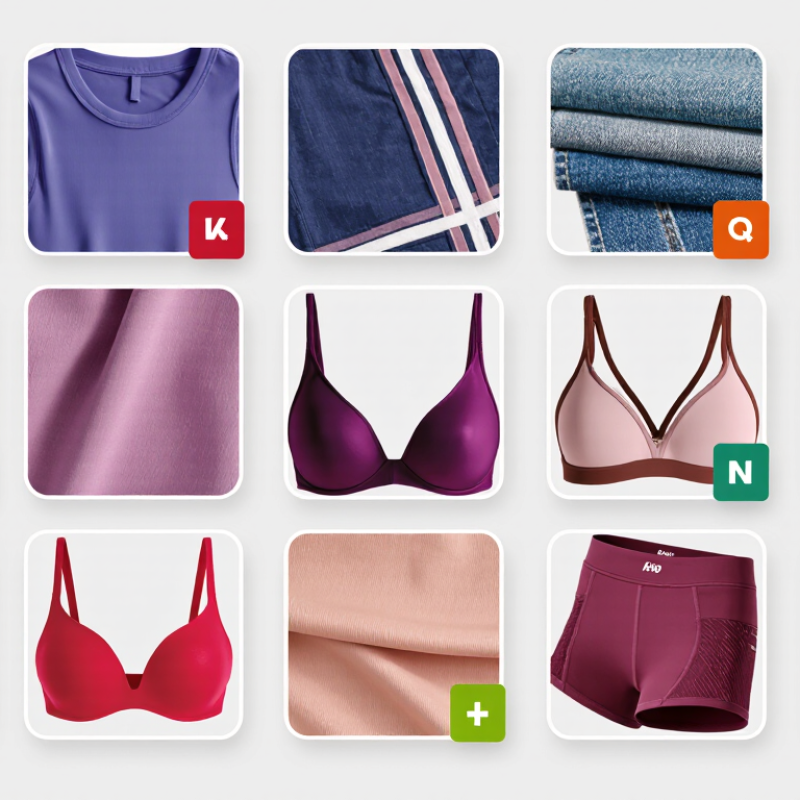
Global buyers rarely need one universal Lycra fabric. Swimwear usually requires chlorine-resistant, UV-protective, fast-drying fabric with strong stretch recovery. A dense, smooth surface also reduces water drag. However, performance can weaken after repeated pool exposure. Testing matters.
Activewear needs breathable, moisture-managing Lycra blends with four-way stretch. Medium-weight fabrics suit leggings, training tops, and yoga clothing. Lightweight versions work better for running in warm climates. Cycling apparel often benefits from compressive fabric and flat construction. Seams can still cause discomfort when the fabric is too firm.
For lingerie and dancewear, soft hand feel is essential. Fine-gauge fabric supports close fitting designs without feeling harsh. Medical compression garments need carefully controlled stretch and reliable recovery, not simply maximum elasticity. Buyers should request test data for colorfastness, pilling, stretch, recovery, and wash durability. Regional climate also changes the choice: humid markets may need faster drying, while colder regions may favor brushed or layered constructions. A low-cost fabric may pass an initial sample review, yet fail after ten washes. That risk is easy to underestimate. Specification sheets help, but physical testing remains more convincing.
How Global Buyers Should Evaluate Lycra Fabric Suppliers
Top 10 Types of Elastane Fabric for Global Buyers
Global buyers should evaluate elastane suppliers beyond fabric appearance. Common options include single jersey, interlock, rib knit, tricot, warp knit, woven stretch, brushed knit, compression fabric, swimwear fabric, and recycled-blend fabric. Each construction behaves differently during cutting, dyeing, sewing, and washing.
Textile Exchange reported that global fiber production reached 124 million tonnes in 2023. Recycled fibers represented only 7.6% of total output, showing both progress and supply limitations. Ask suppliers for fiber composition, GSM, usable width, stretch percentage, and recovery results. A practical test uses a one-meter sample, repeated stretching, and at least 30 washing cycles. Check whether the fabric returns to shape, pills, twists, or loses color. Small details matter.
Supplier documentation should include test reports from qualified laboratories, production traceability, restricted-substance controls, and certifications matching the purchase requirement. Confirm whether certificates cover the actual factory, not only the trading office. Request recent batch records and inspect shade consistency across rolls. A low quotation may hide unstable spandex content or excessive shrinkage. That mistake becomes expensive after cutting. I would also compare three suppliers using the same sample specification, because verbal claims are difficult to measure. No supplier is perfect. The buyer’s testing process should not be perfect either, but it must be repeatable and transparent.